Raghav Kohli
how can humanity be involved in the work of restoration of the resources we consume, in the most efficient ways, such that no one has to be poor, or hungry, or in dearth of water, or die due to flooding, or breathe in poisonous air?
it’s a shame we created an entity that is capable enough to think, yet we have been so unable to manage our resources efficiently so everyone could have the opportunity of living a decent life.
- (energy & systems)
- 02
- (plans & policy)
- 06
- (participatory)
- 05
- (computational & spatial)
- 04
- (early work)
- 03
[note]
no one has to be hungry
no one in dearth of water, no one dying due to flooding
[note]
[note]
no one breathing in poisonous air
buildings and materiality
we are educated to understand and study these resources
to innovate with production, consumption and re-production, and to use our skills to serve and earn too
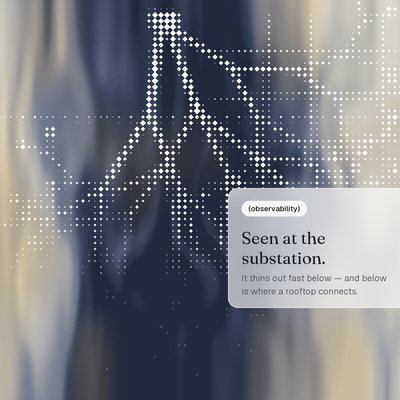
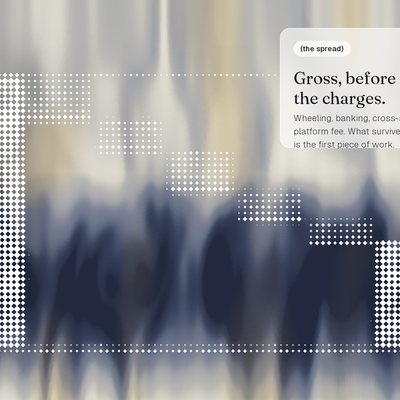
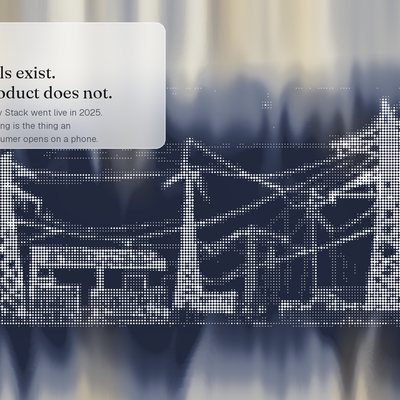
What a rooftop owner is not told
(click to read)
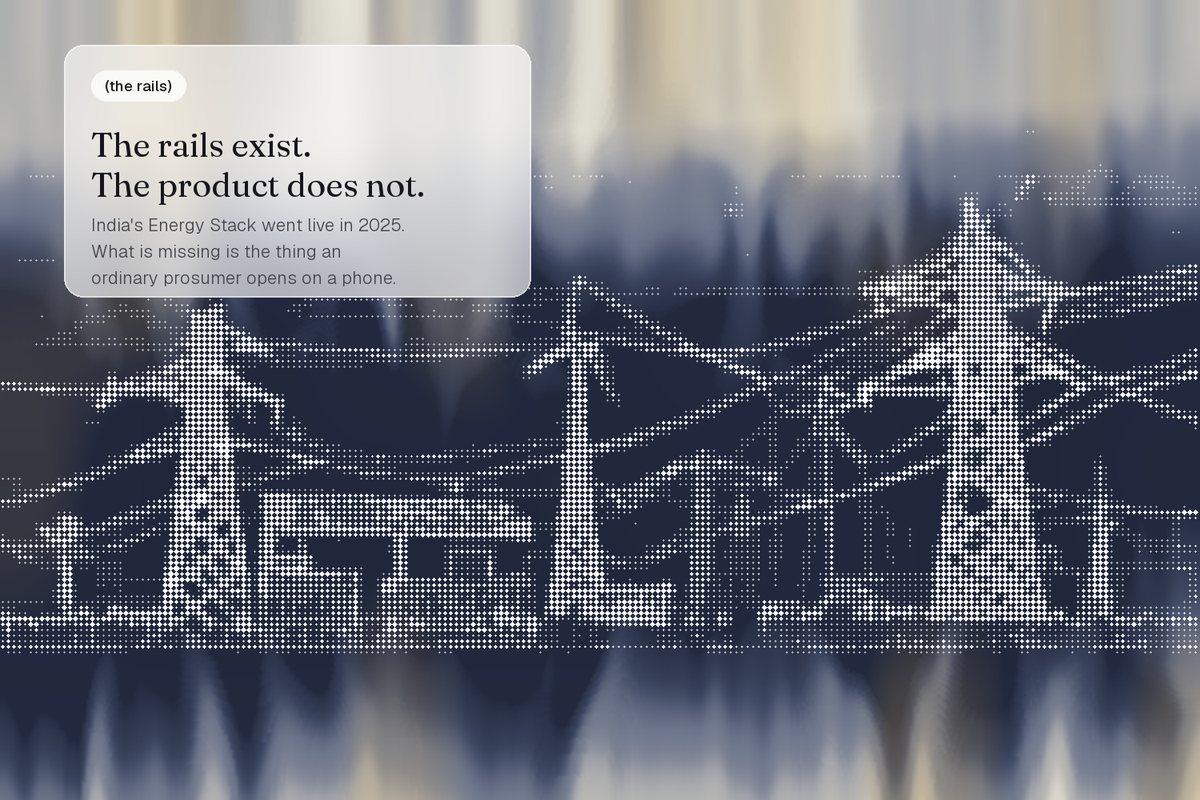
Sama
p2p rooftop solar · india energy stack (live research · module built, not yet piloted)

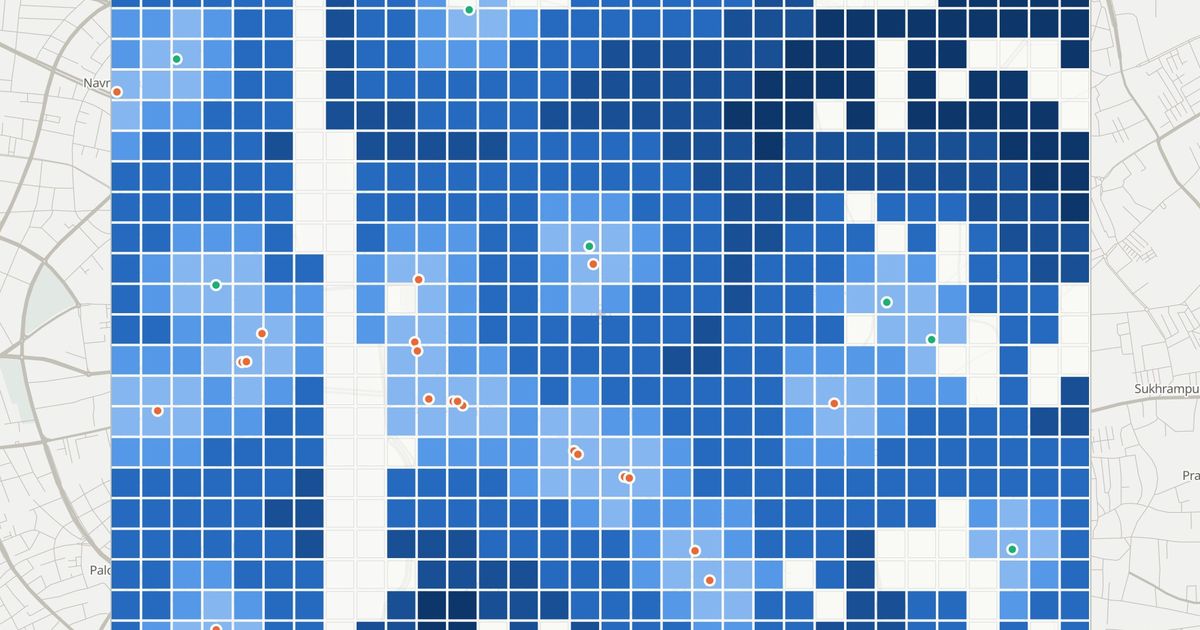
Climate Code
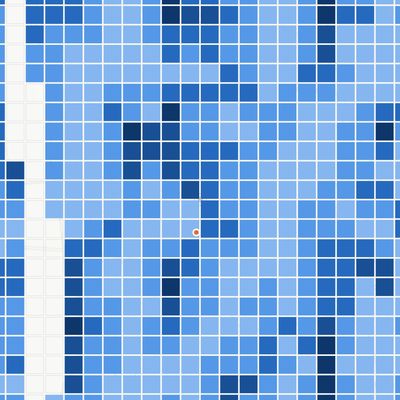
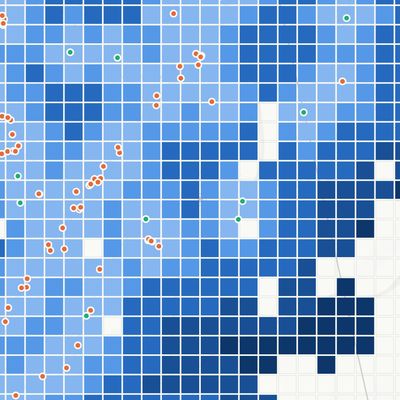
sixteen climate tools · world, city grid, household (live)

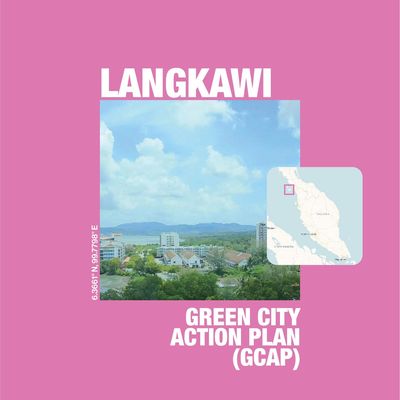
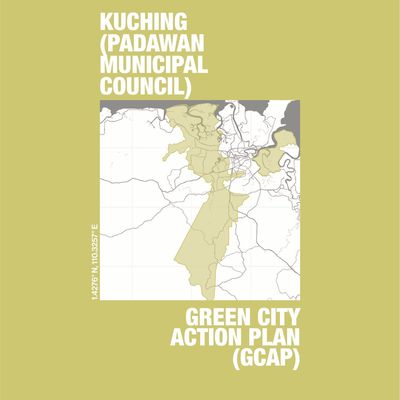
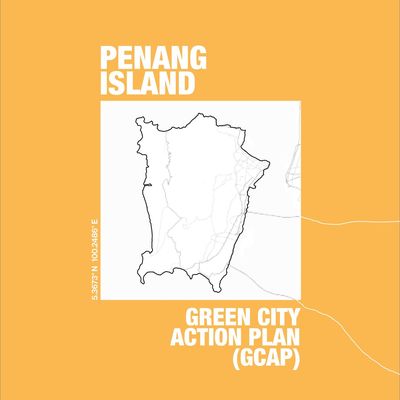
One method, two coasts, a state and an island
(click to read)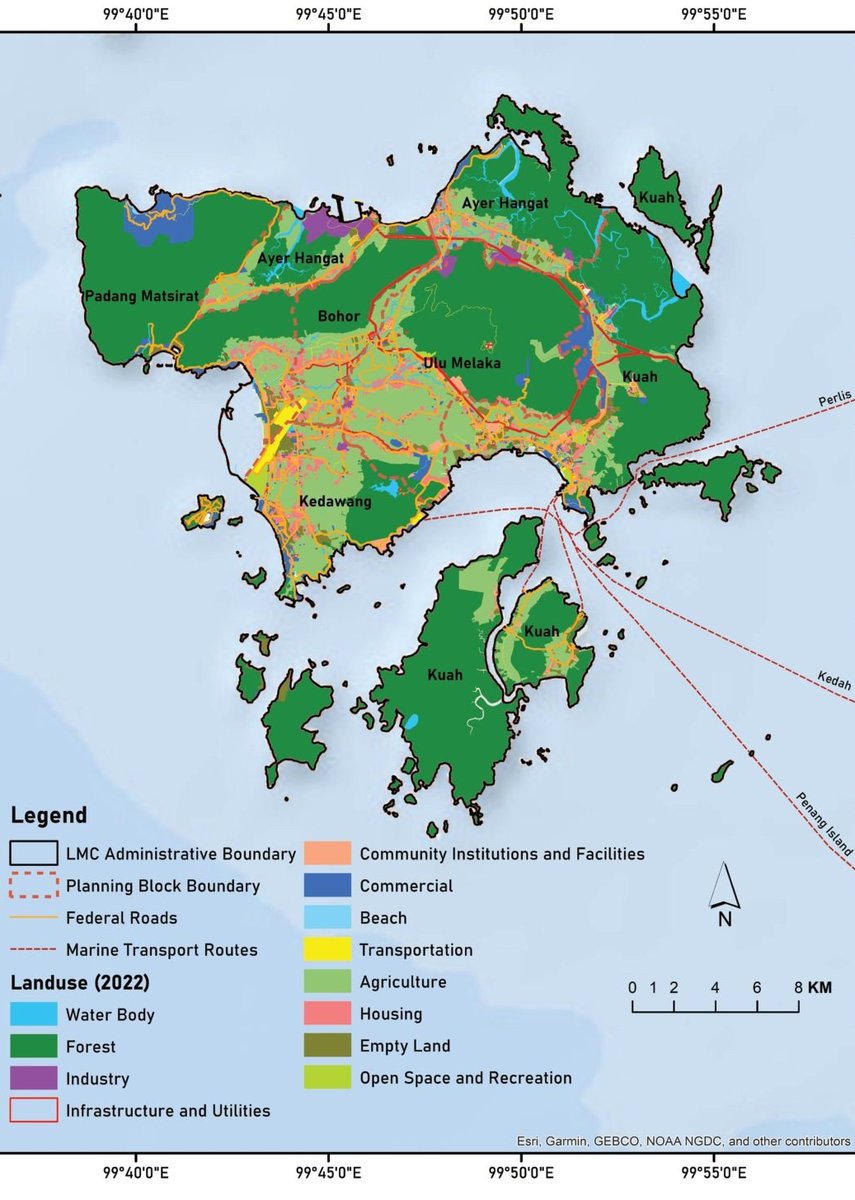
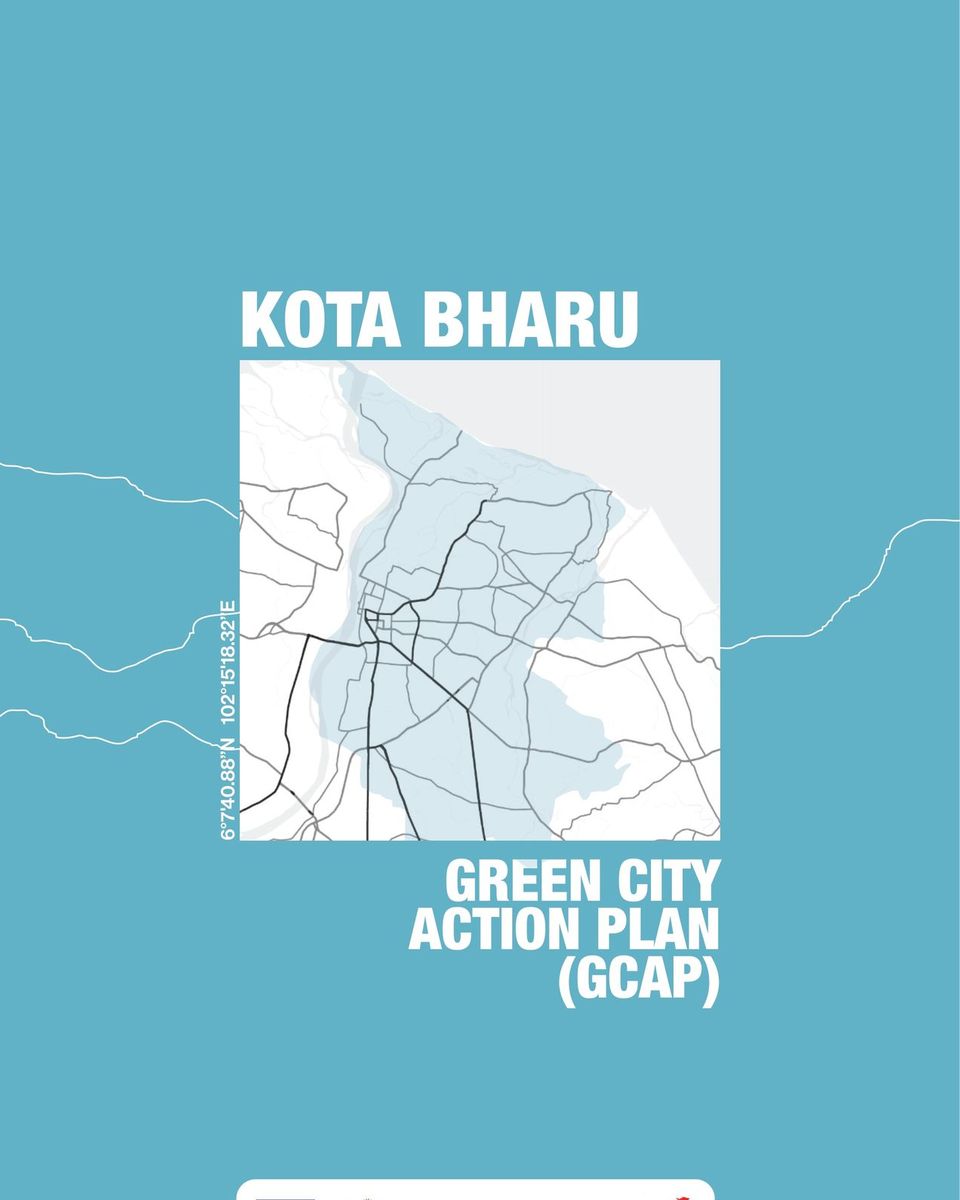
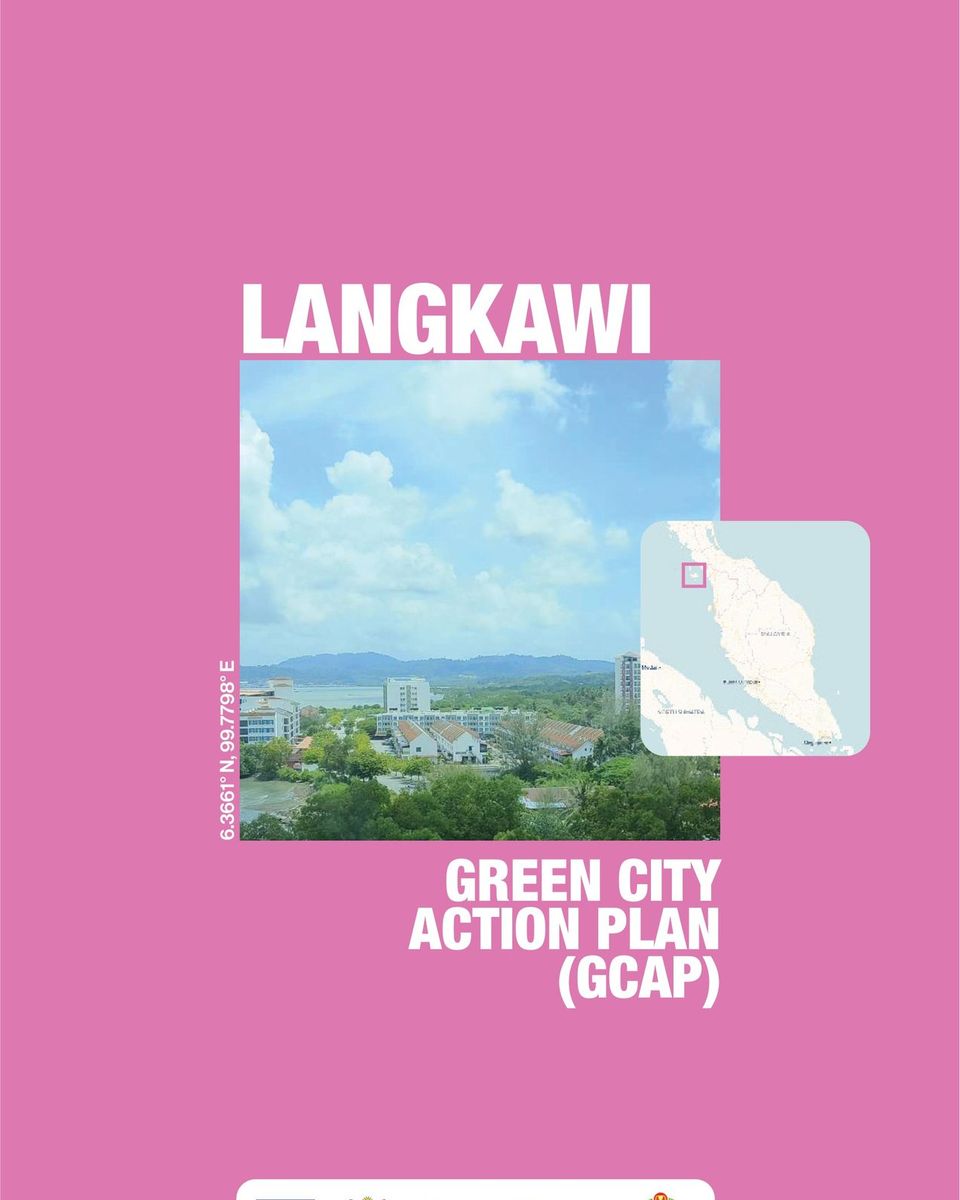
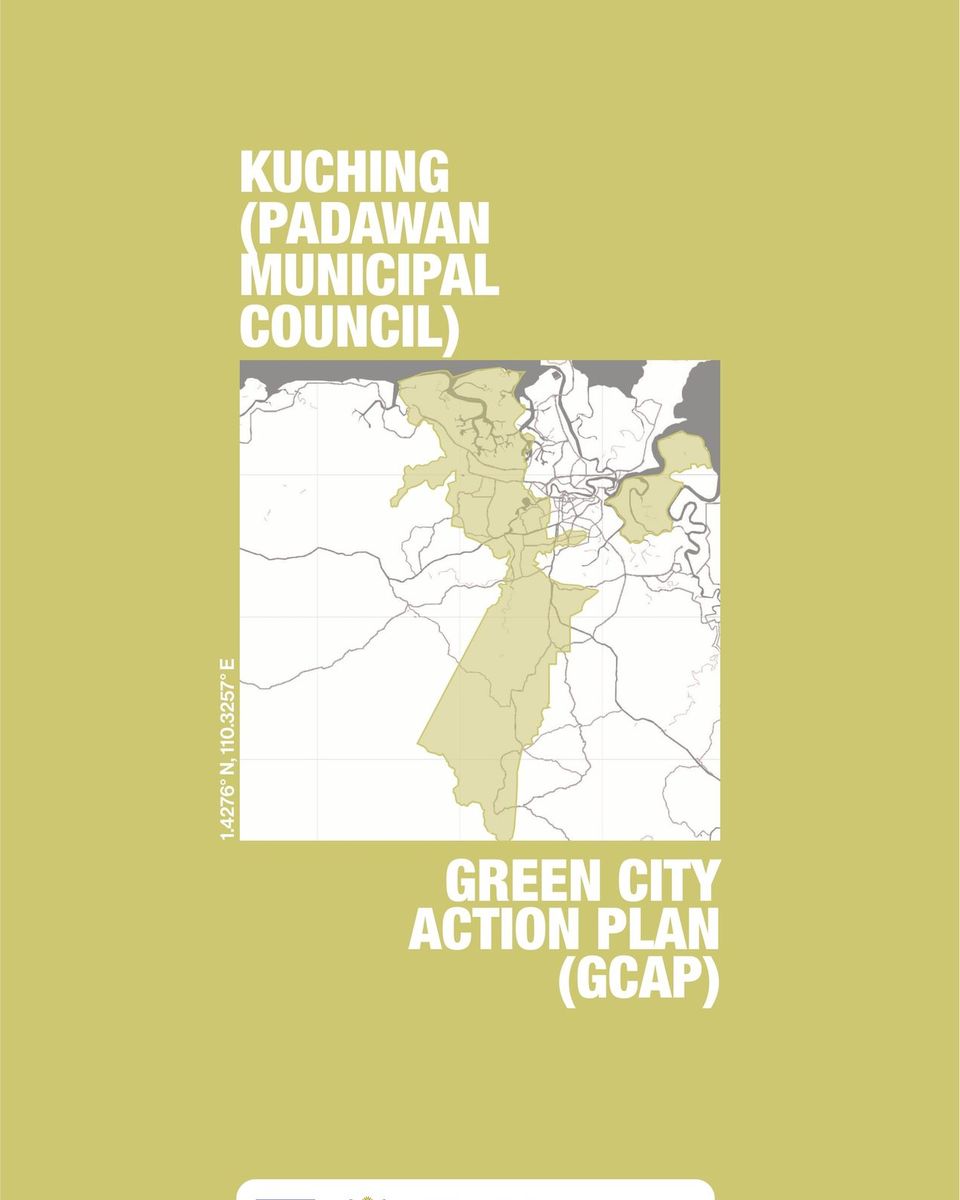
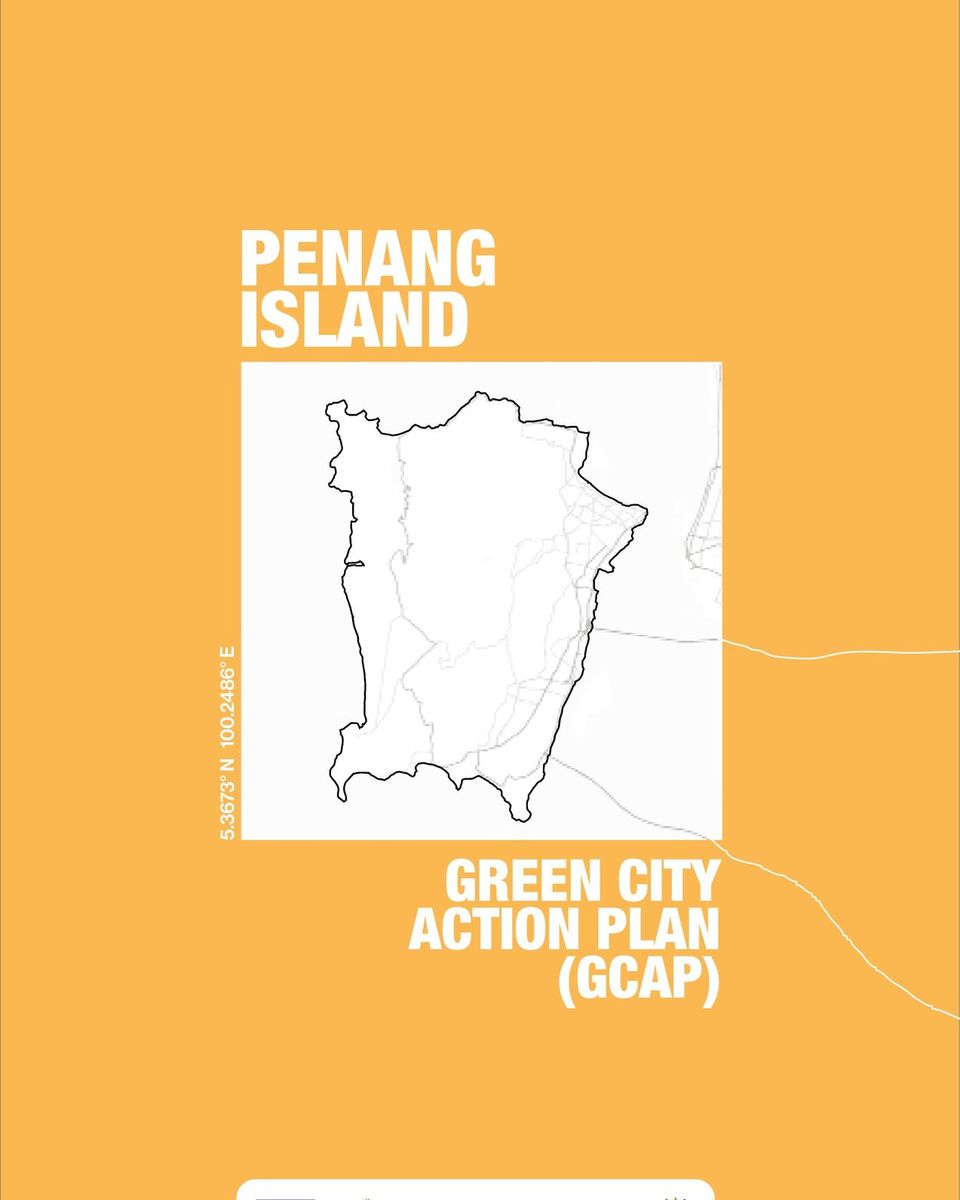
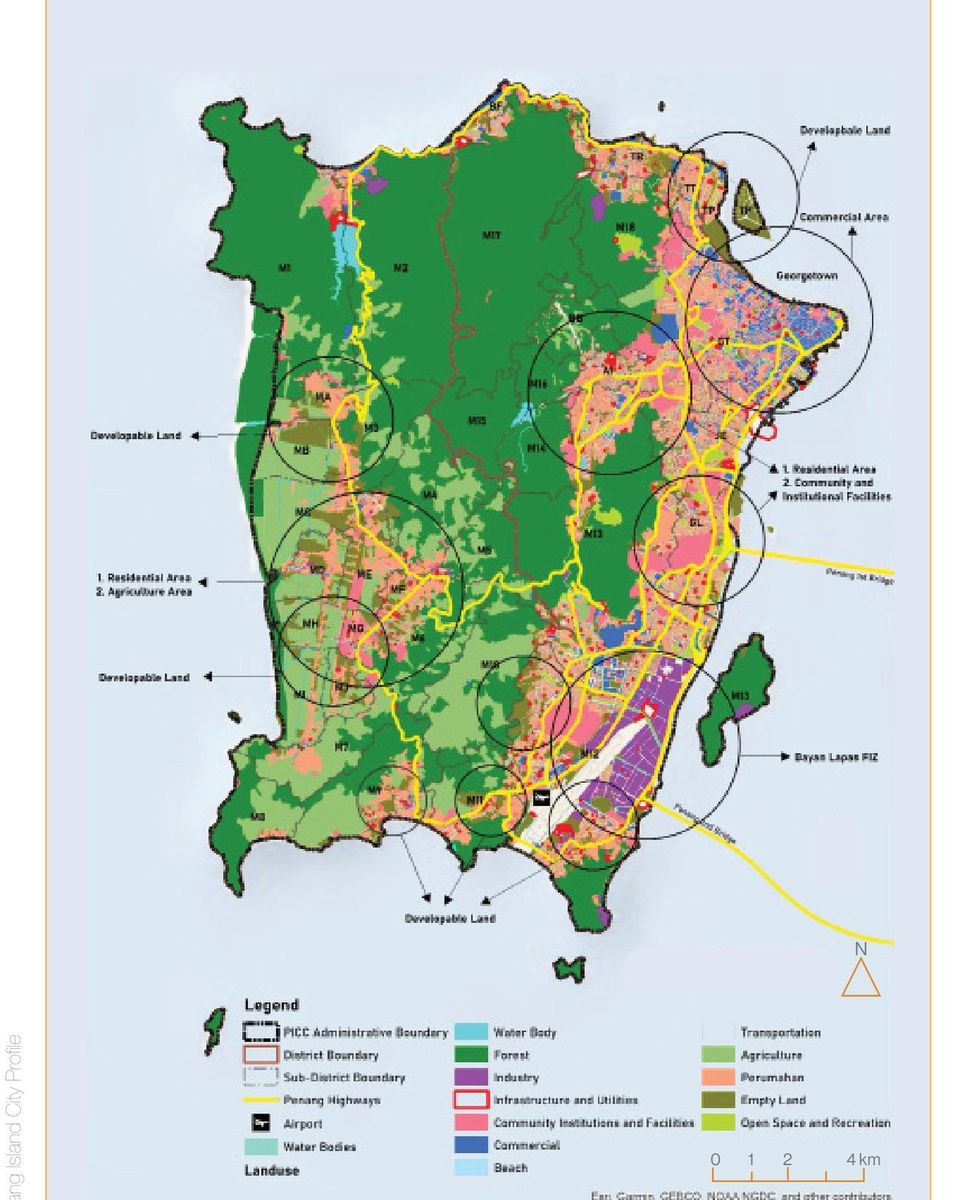
Malaysia GCAP
iclei · imt-gt · four green city action plans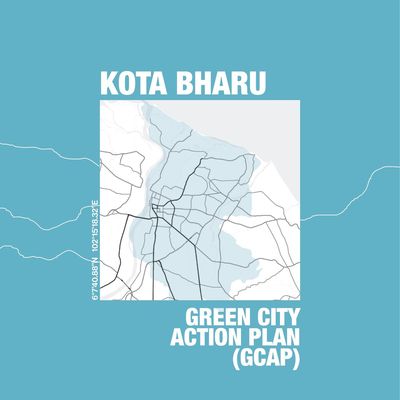
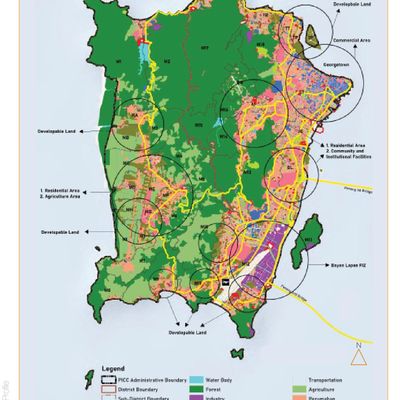
Forty-five action sheets, one format throughout
(click to read)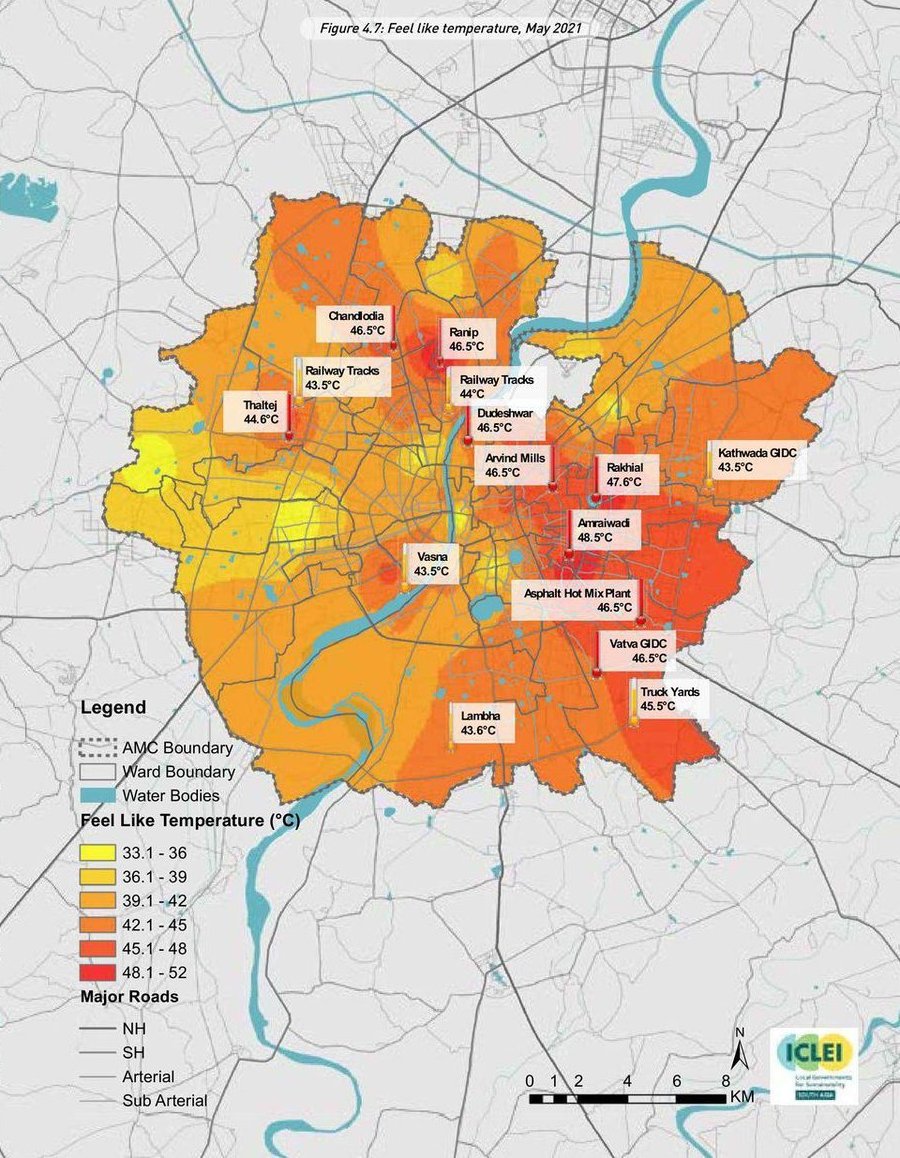
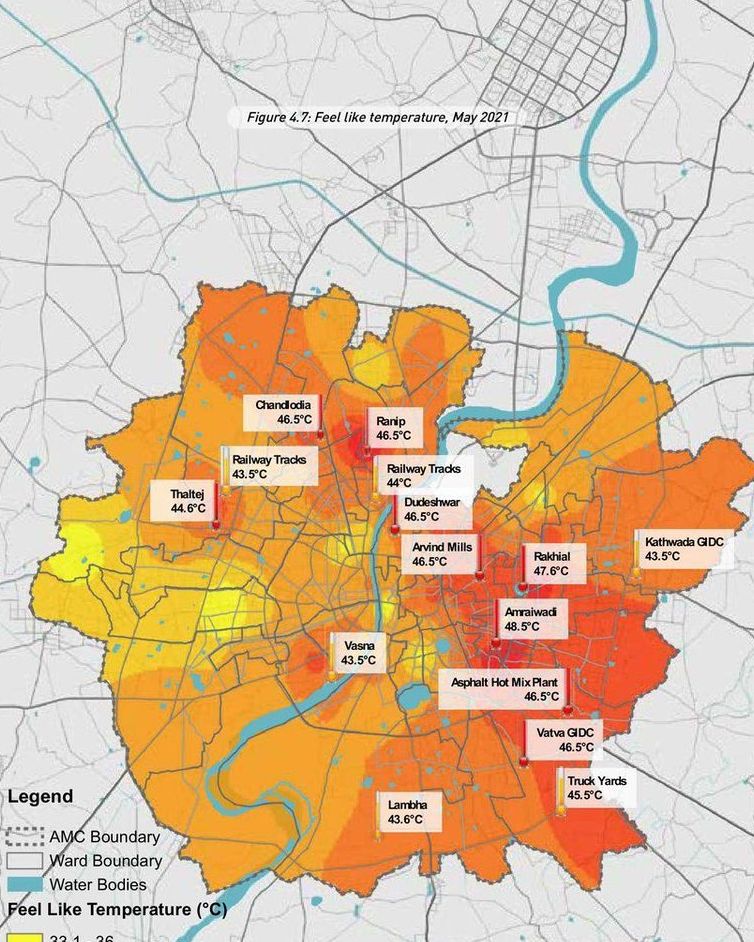
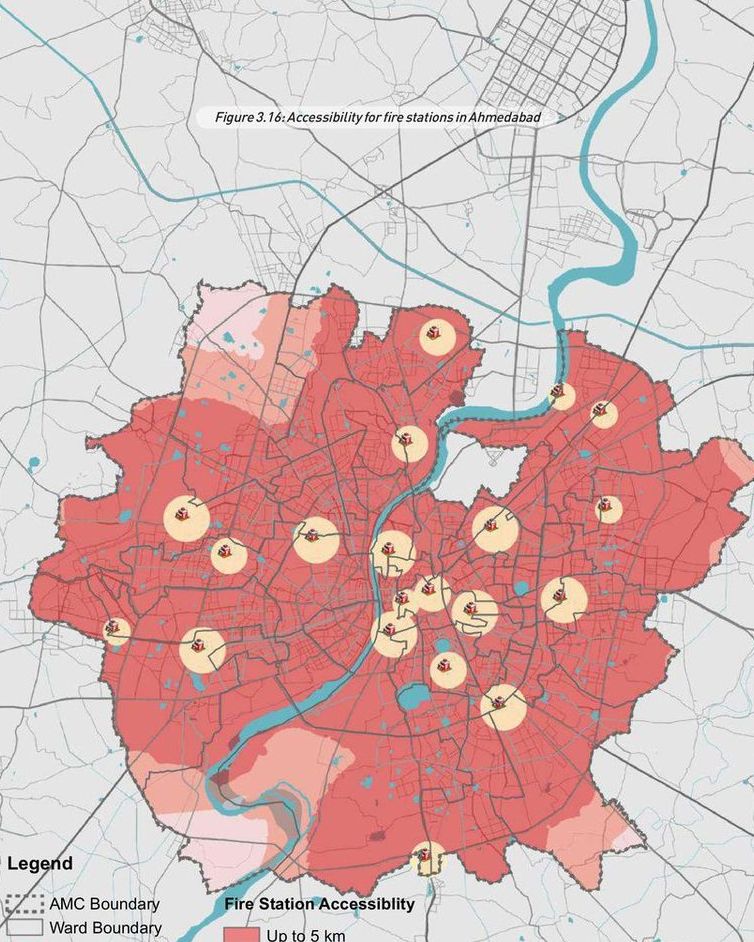
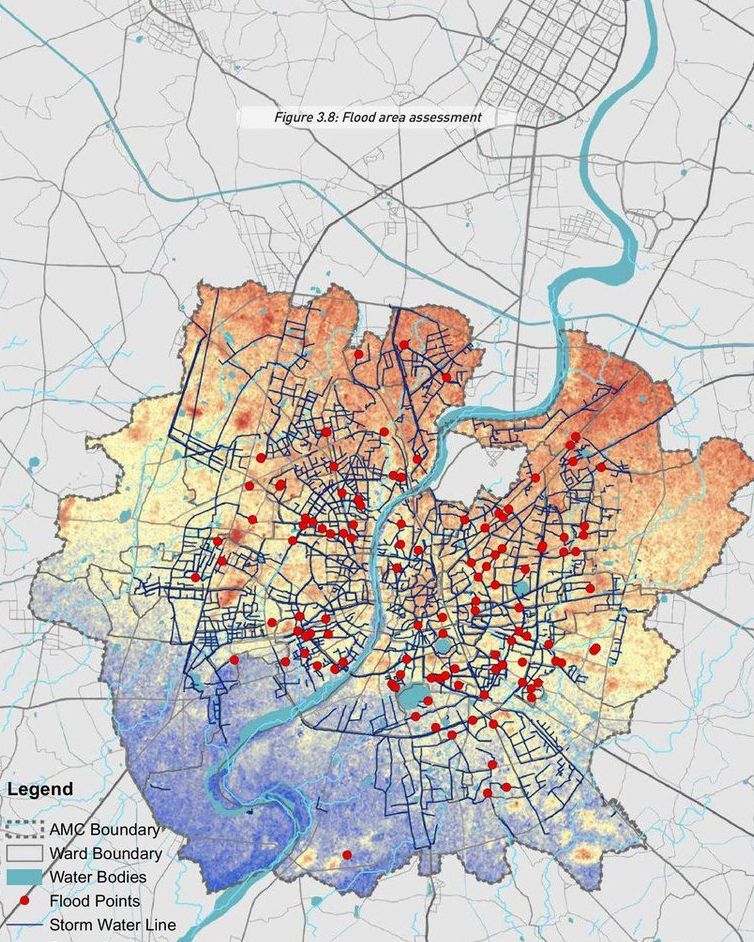
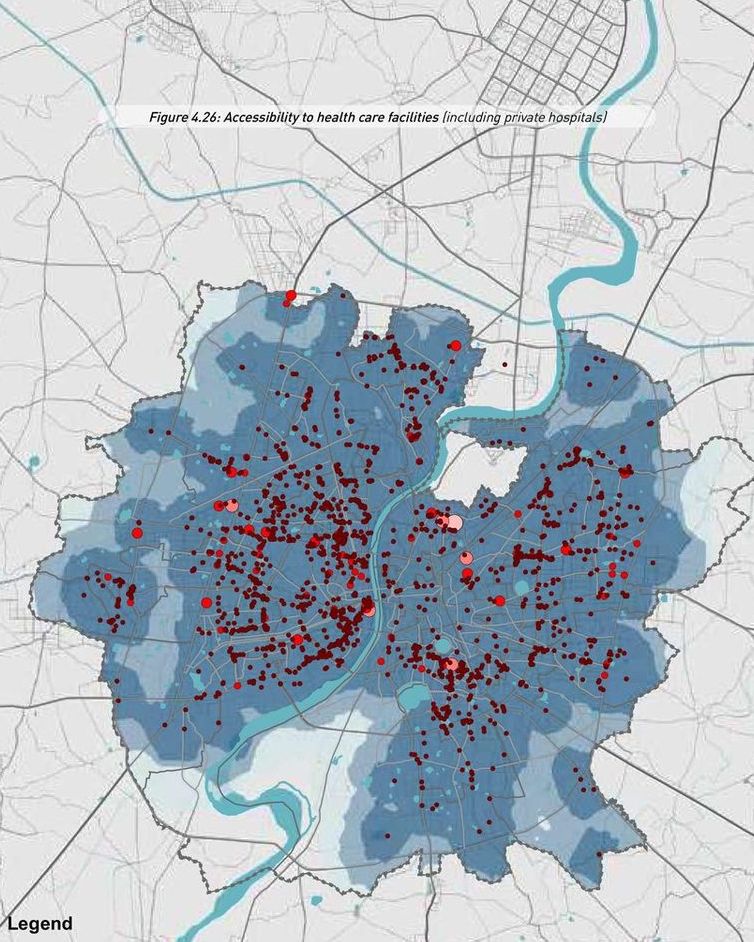
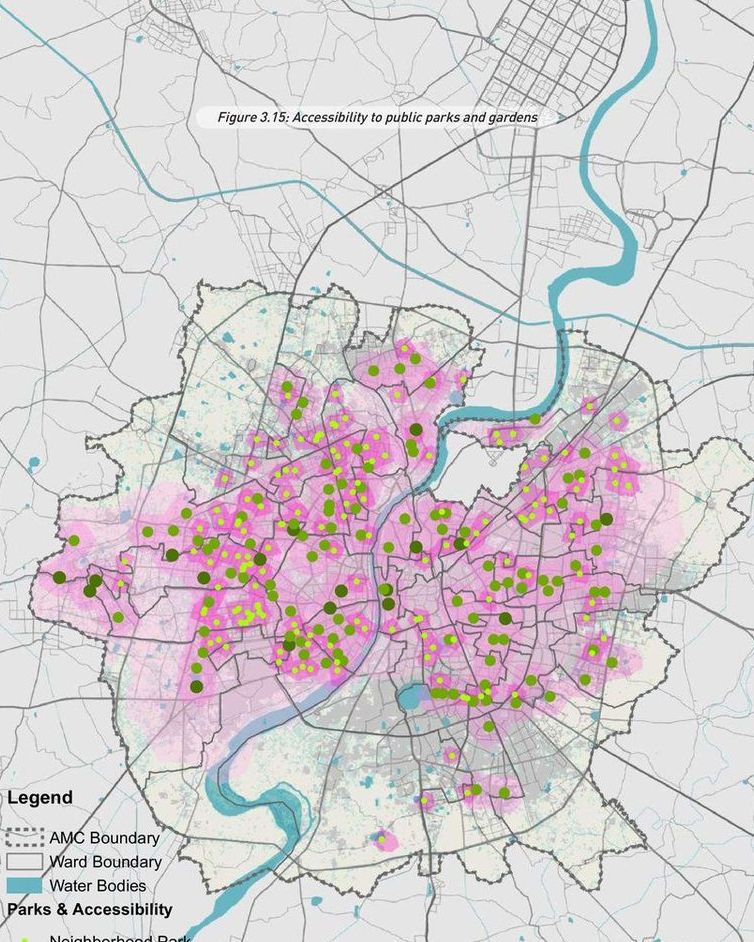
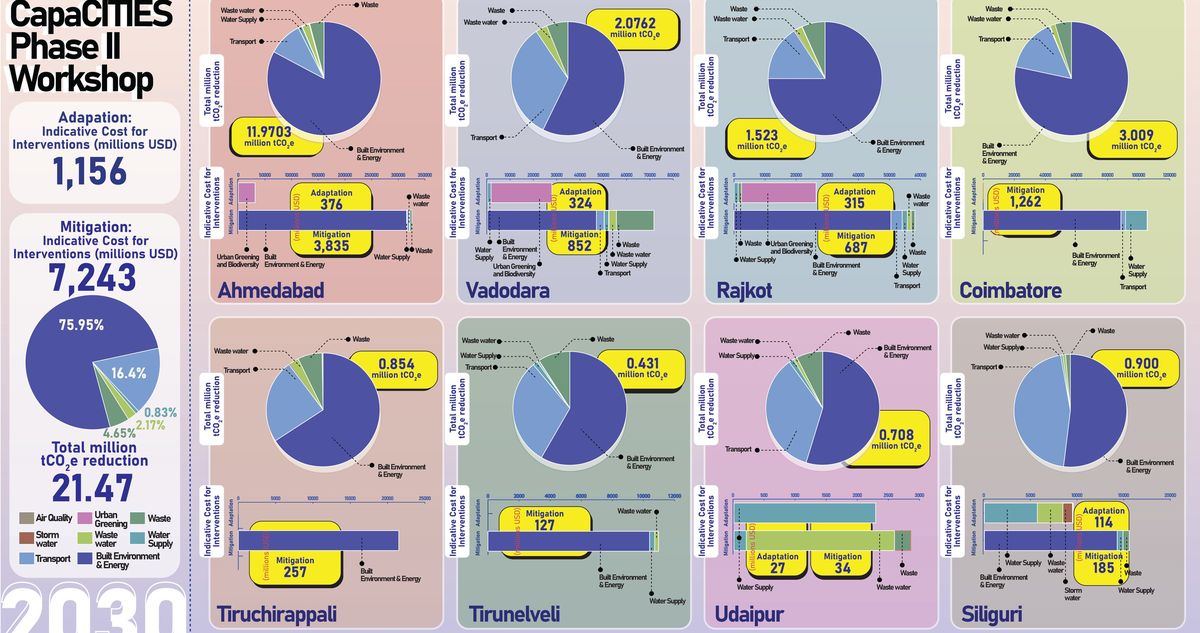
Ahmedabad Climate Action Plan
capacities · iclei · crcap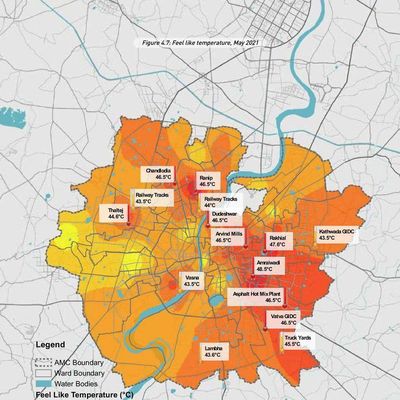
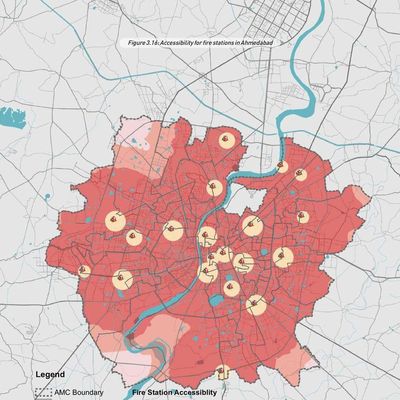
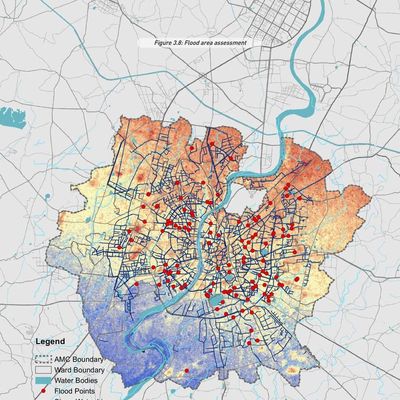
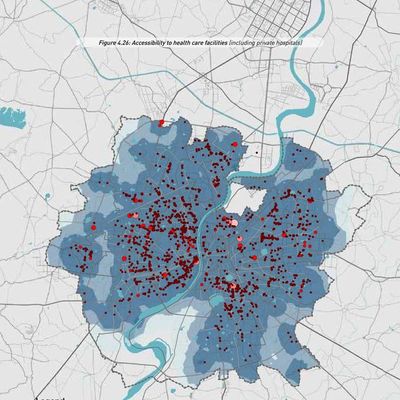
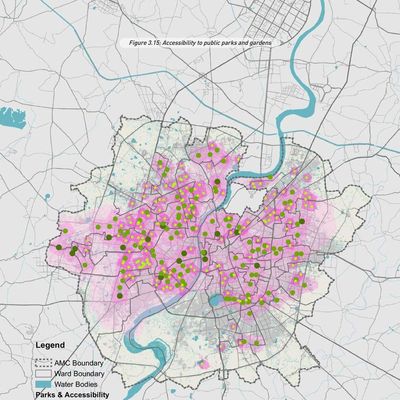
The city as the unit of account
(click to read)
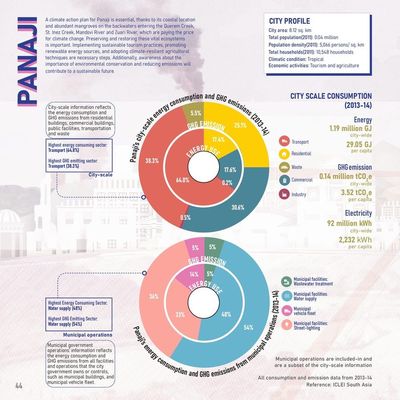
State of Cities
niua · fifteen cities · one template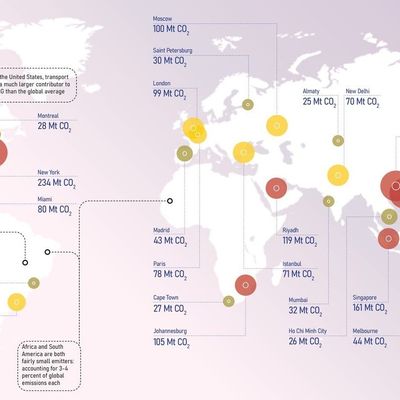
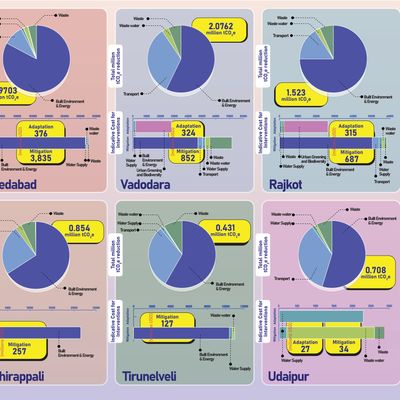
From 6.8 to 9 square metres a person
(click to read)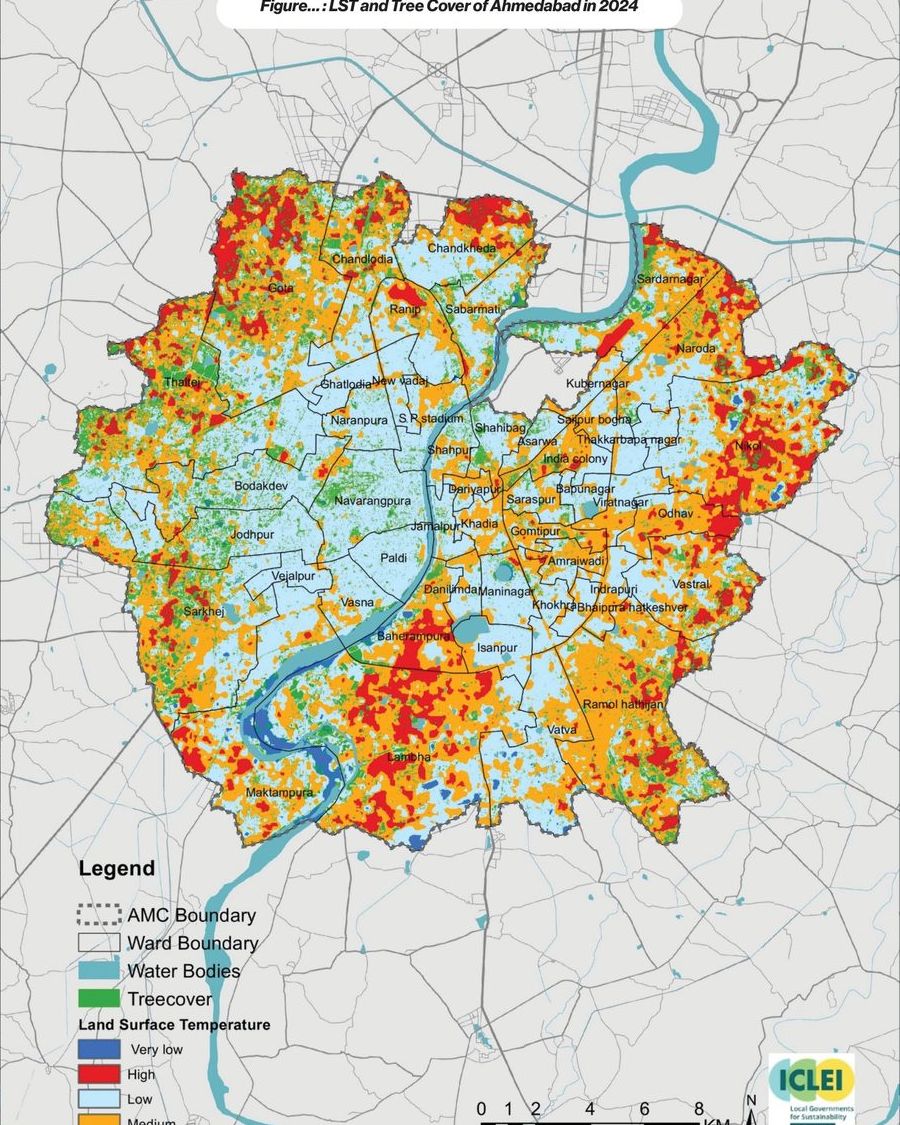
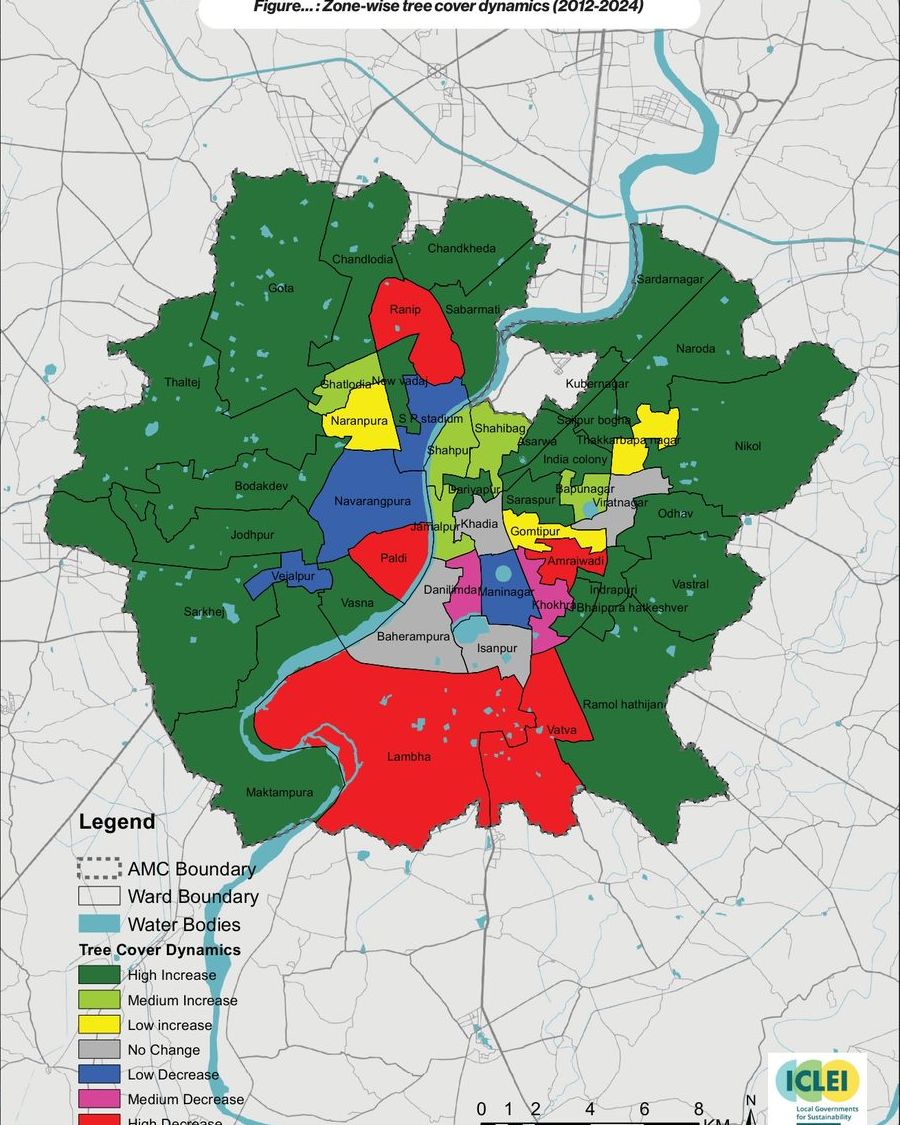
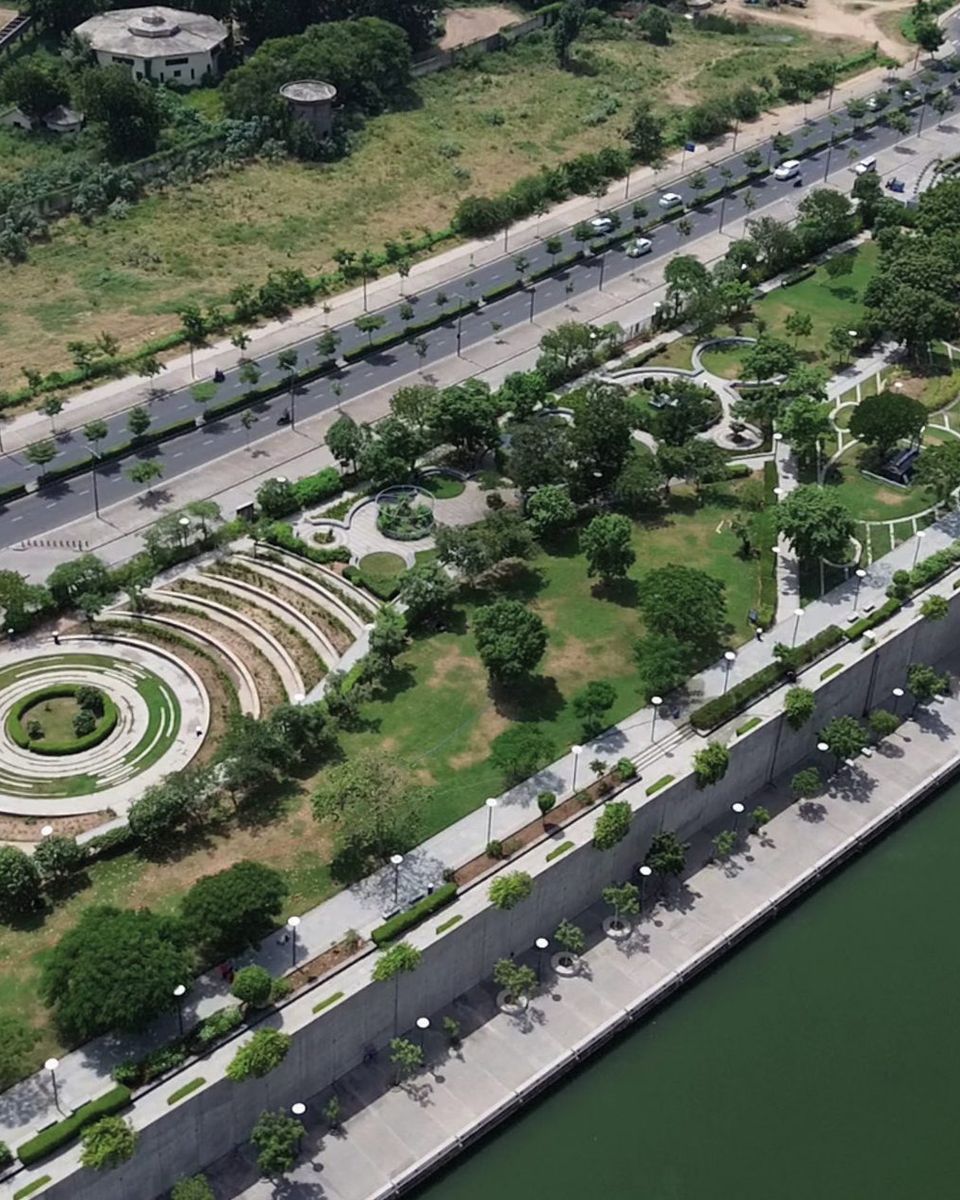
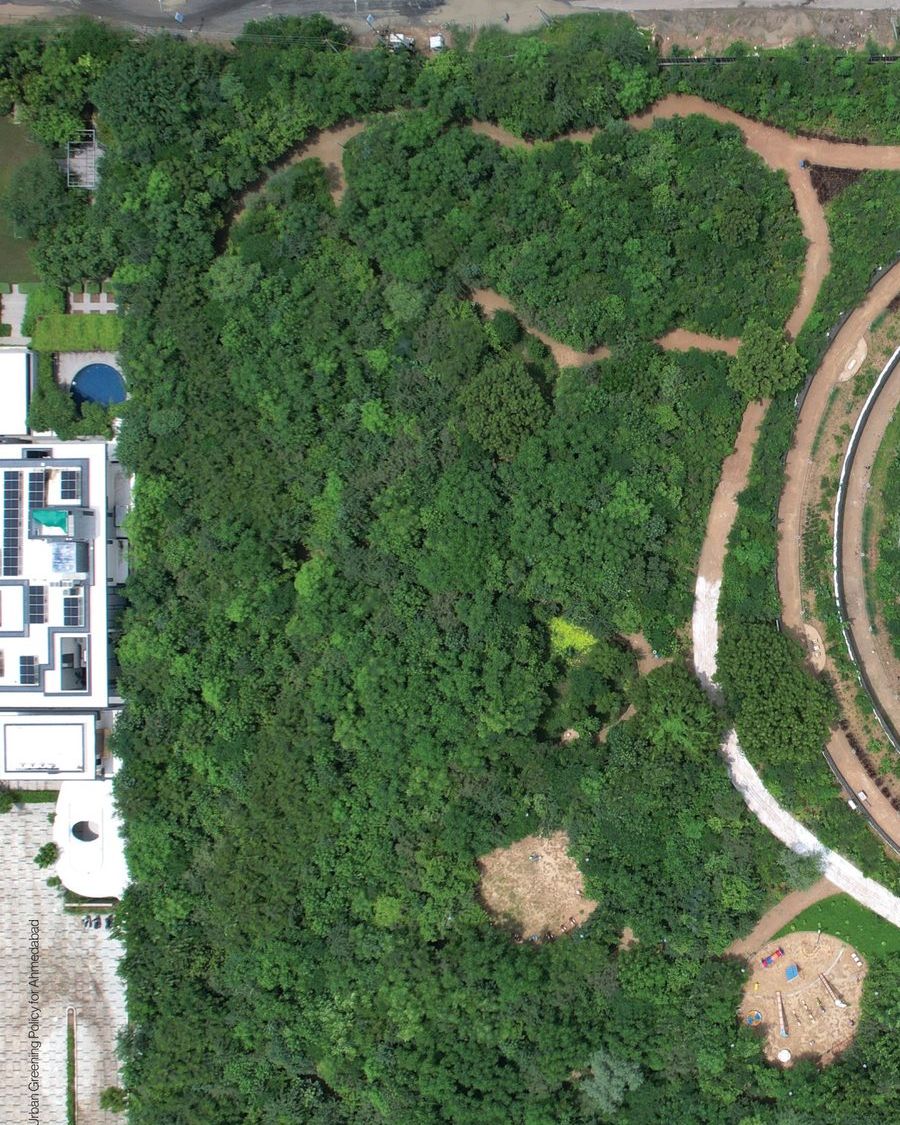
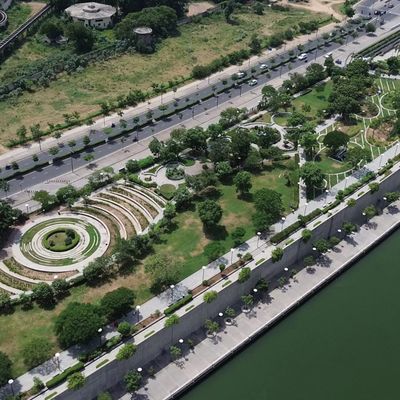
Urban Greening Policy
amc · iclei · policy book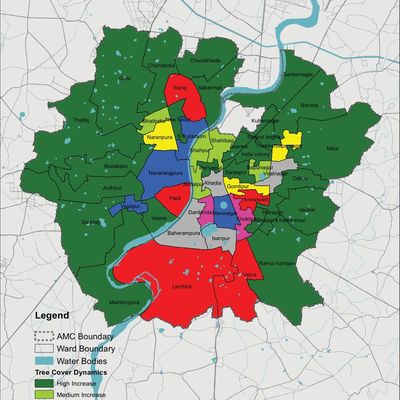
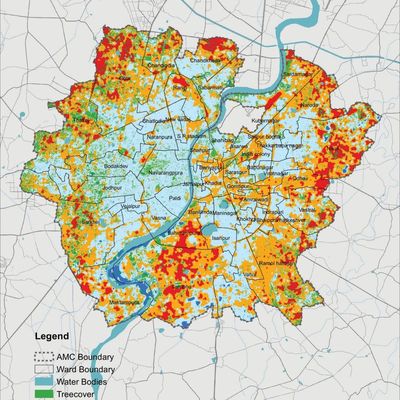
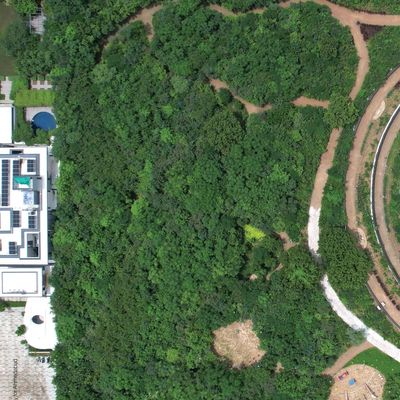
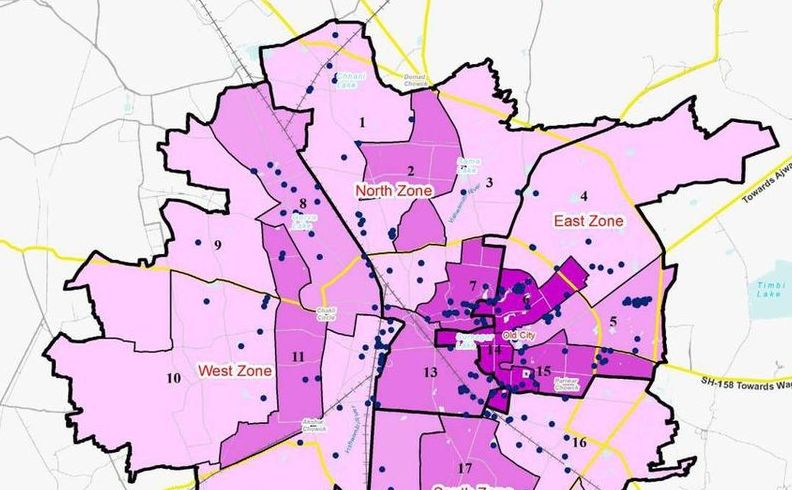
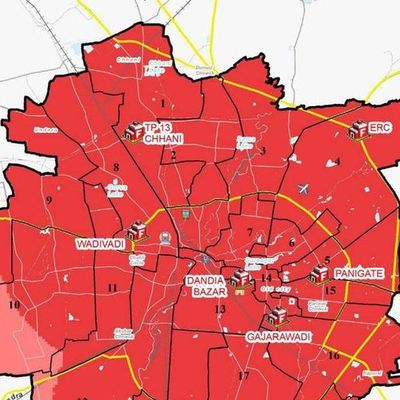
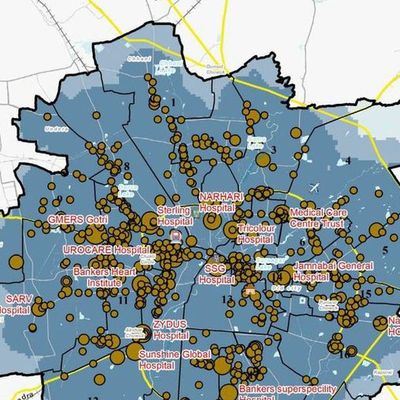
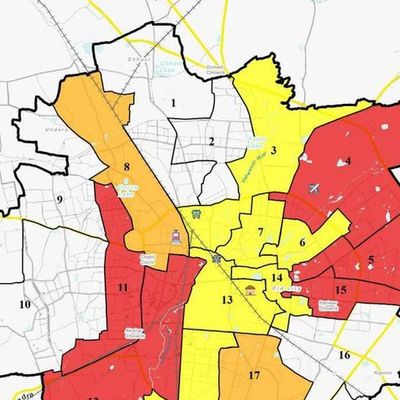
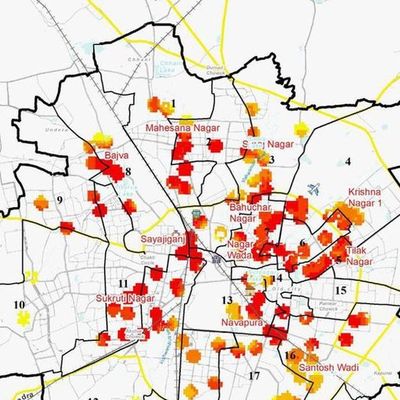
Nineteen maps at ward level, in three passes
(click to read)
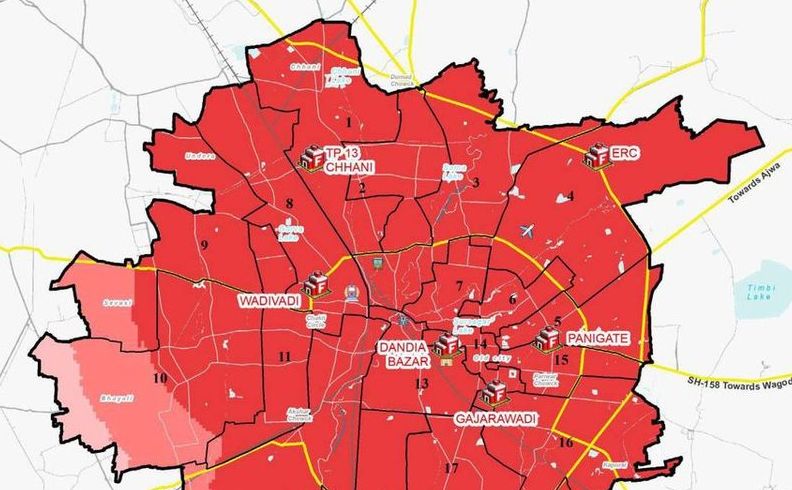
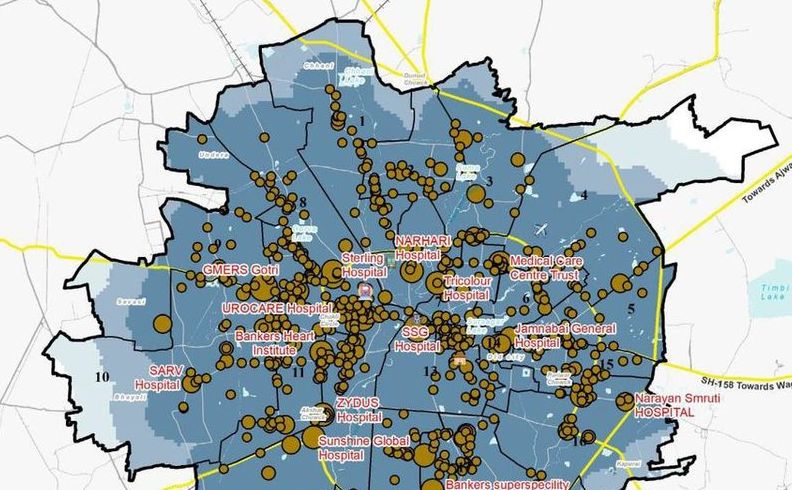
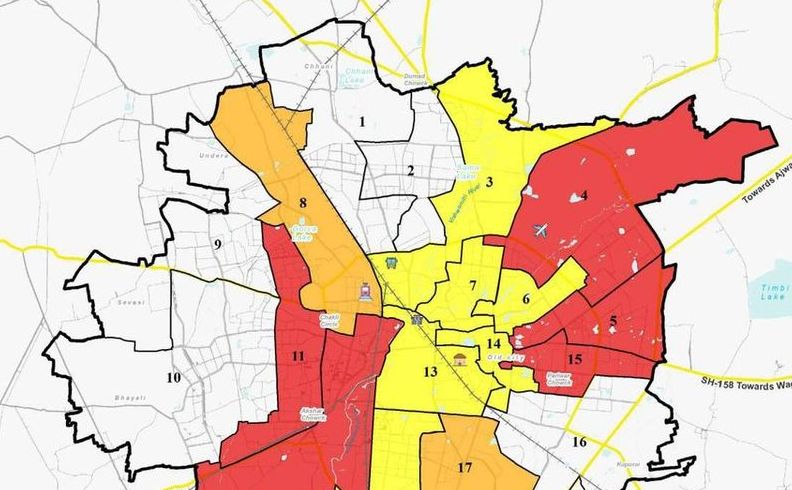
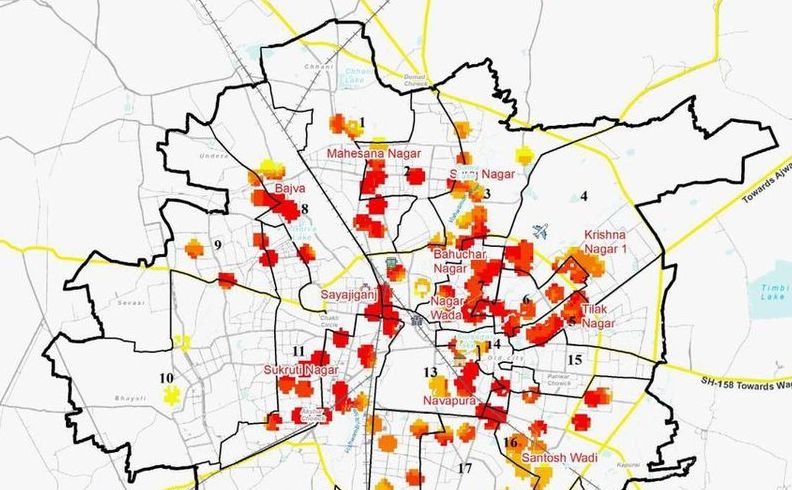
Vadodara Climate Action Plan
capacities · iclei · crcap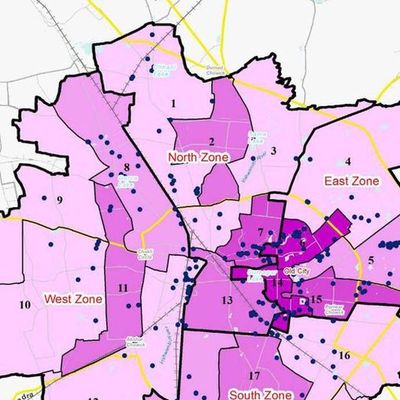
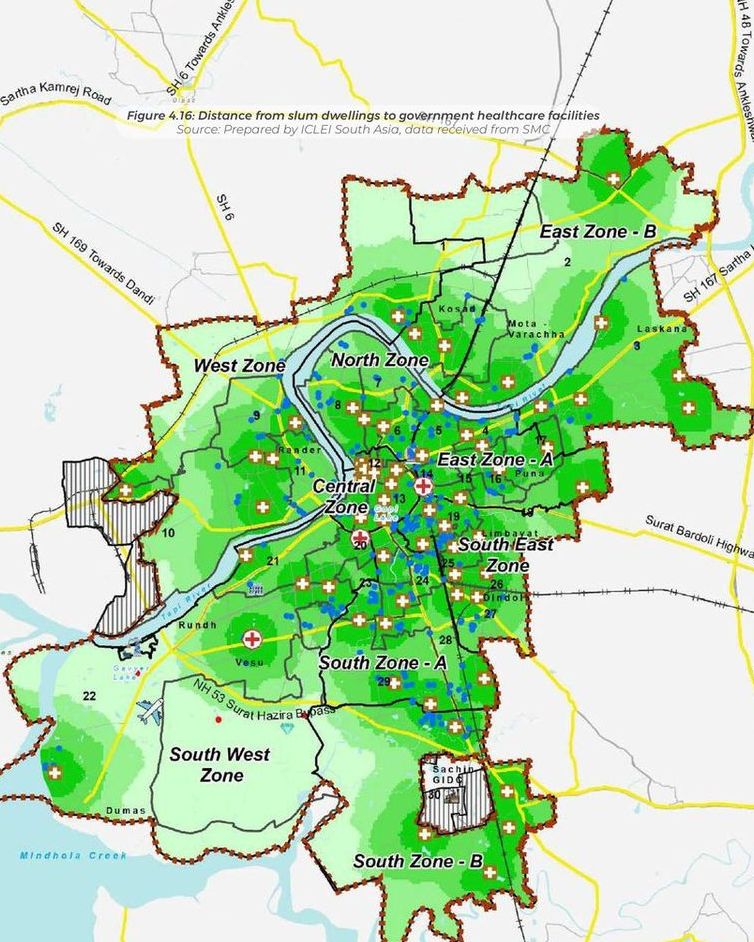
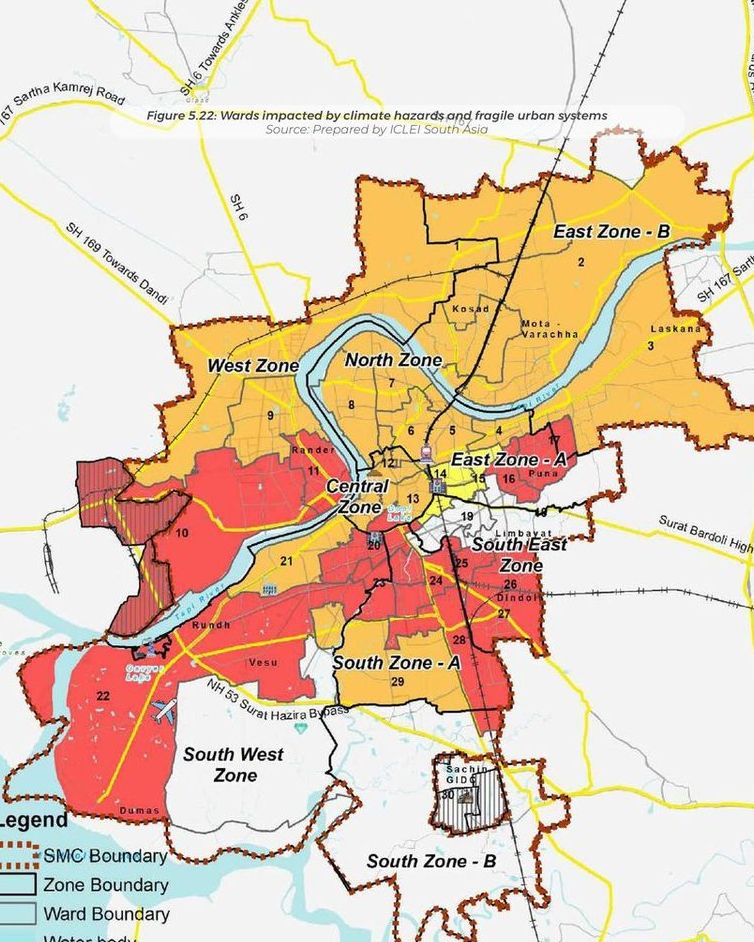
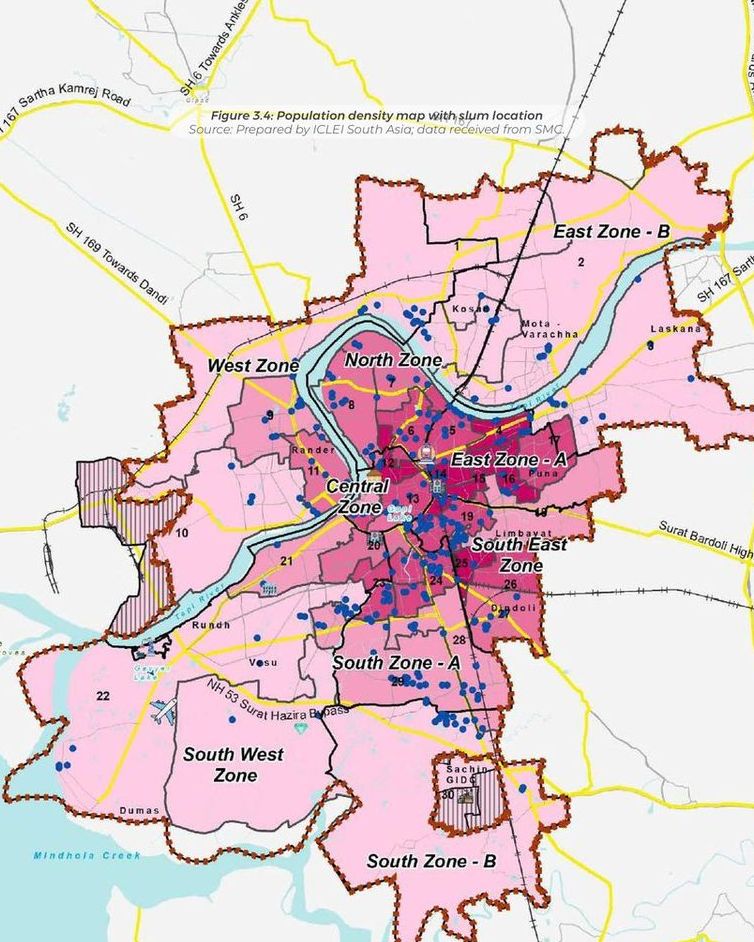
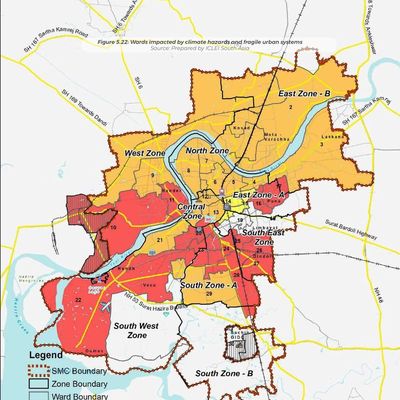
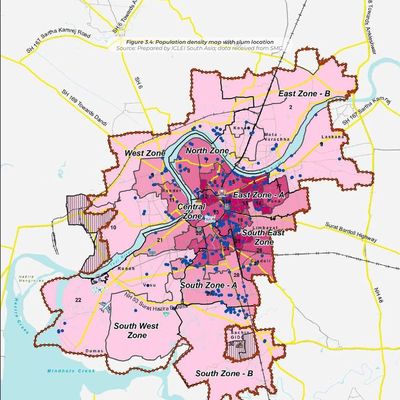
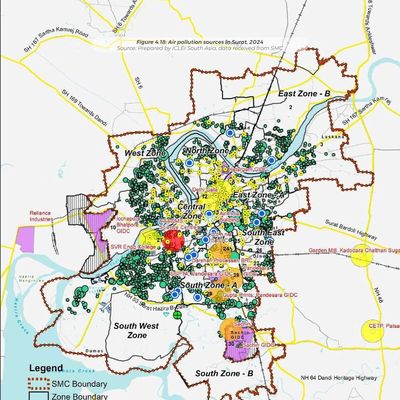
Surat chose the harder target
(click to read)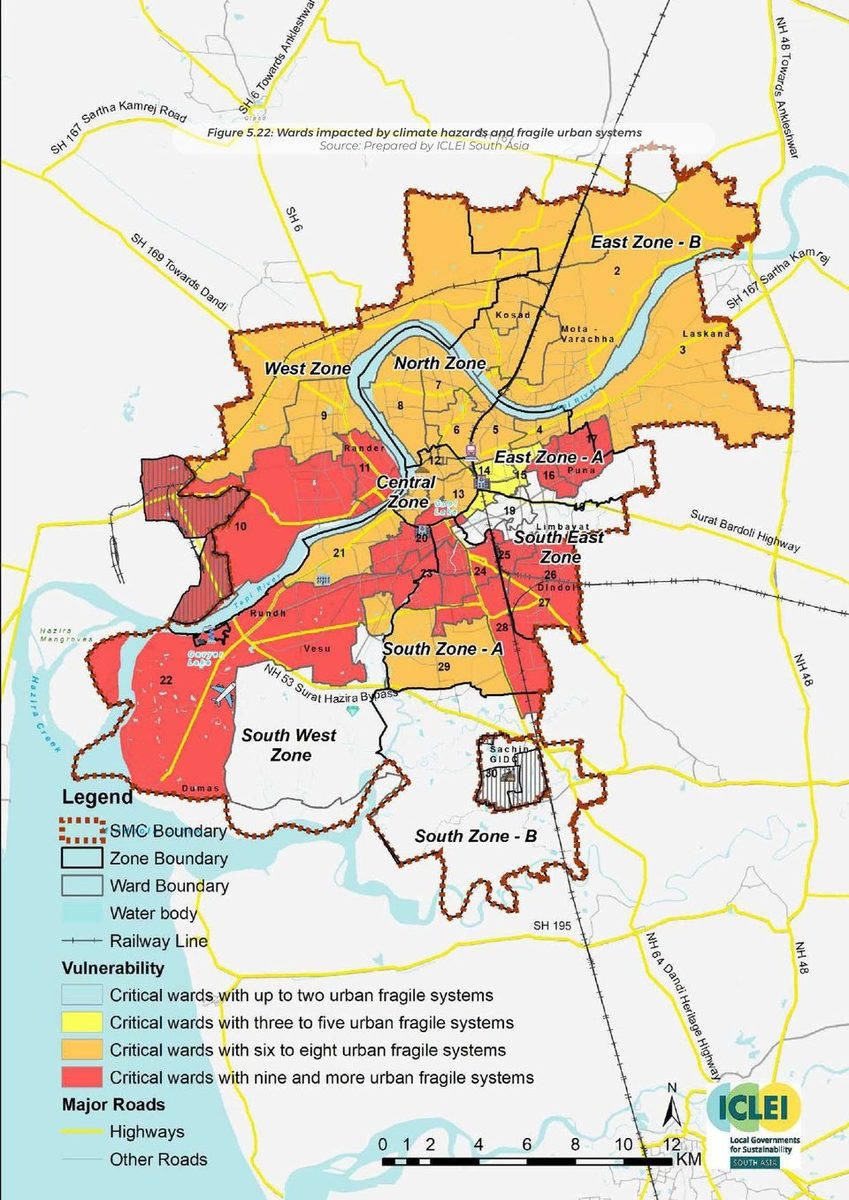
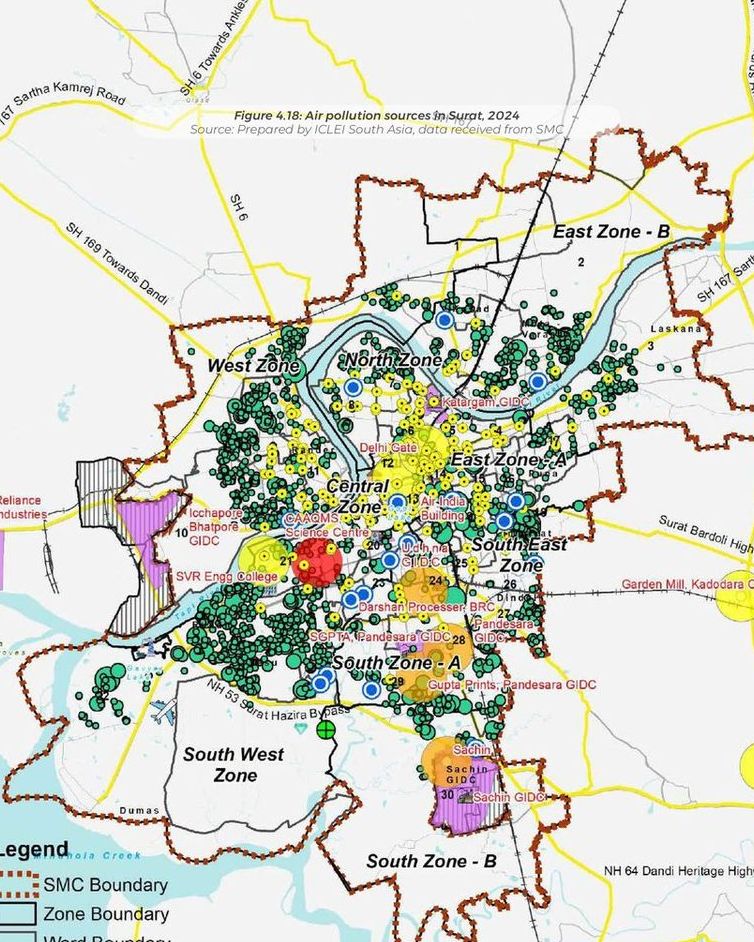
Surat Climate Action Plan
c40 · iclei · net-zero crcap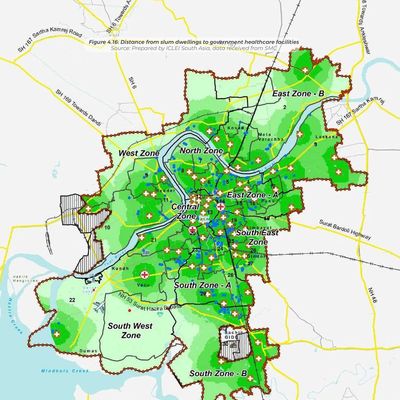

Perspectives
conversation circles · delhi, bangaloreSeven islands, made one by filling
(click to read)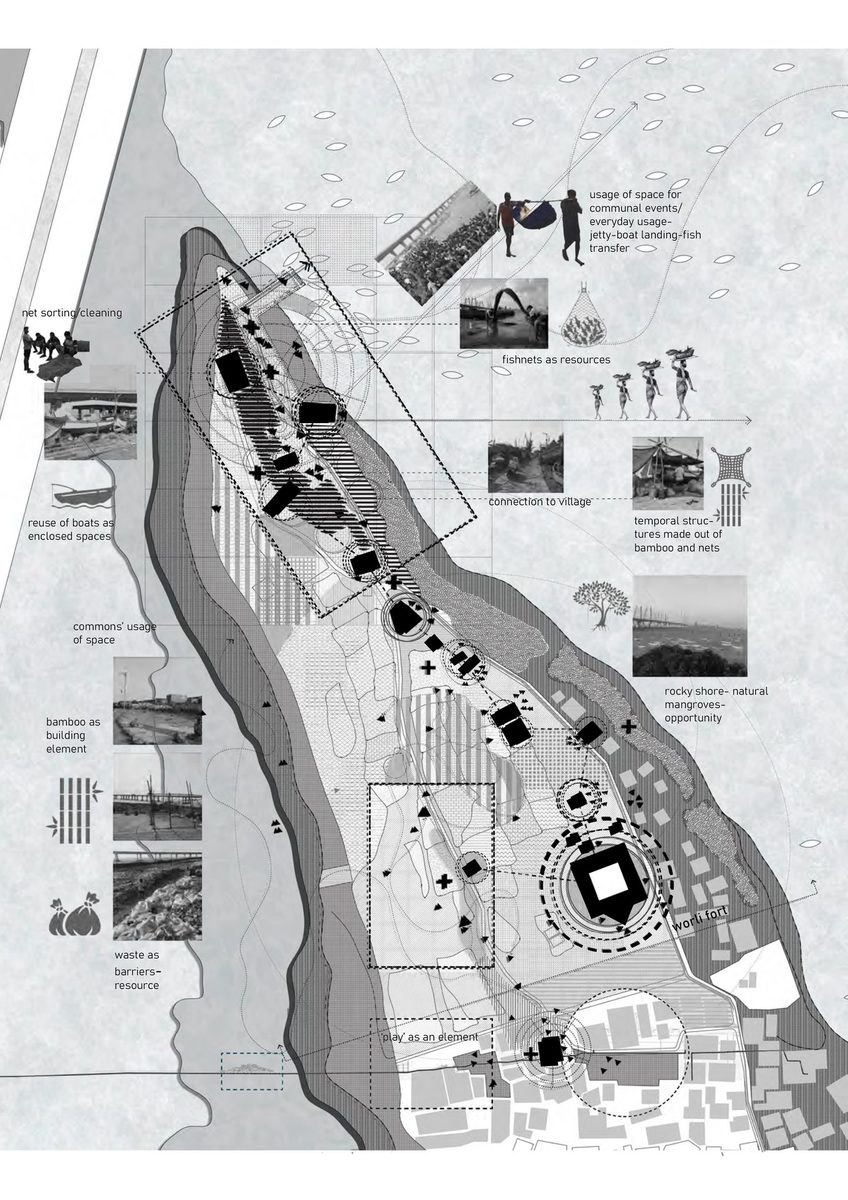
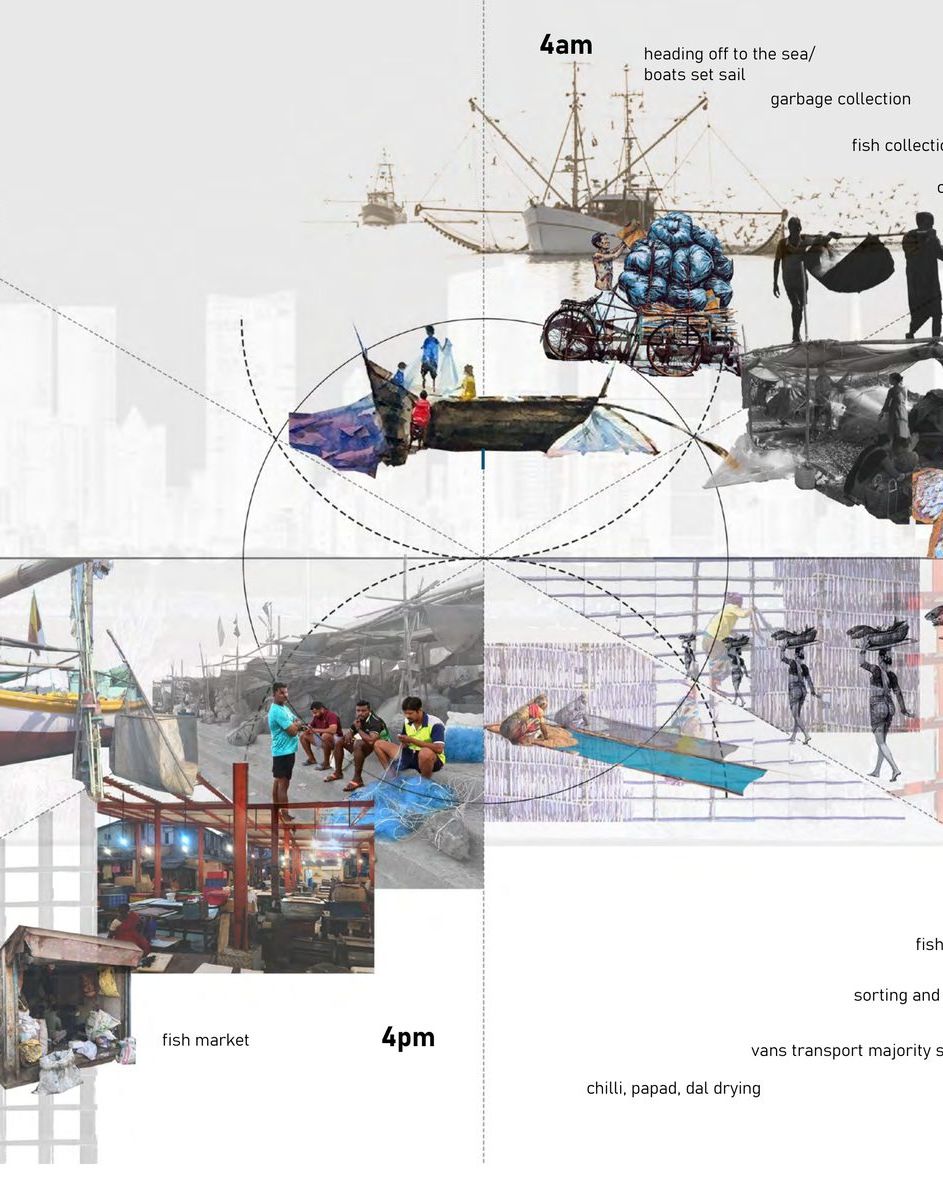
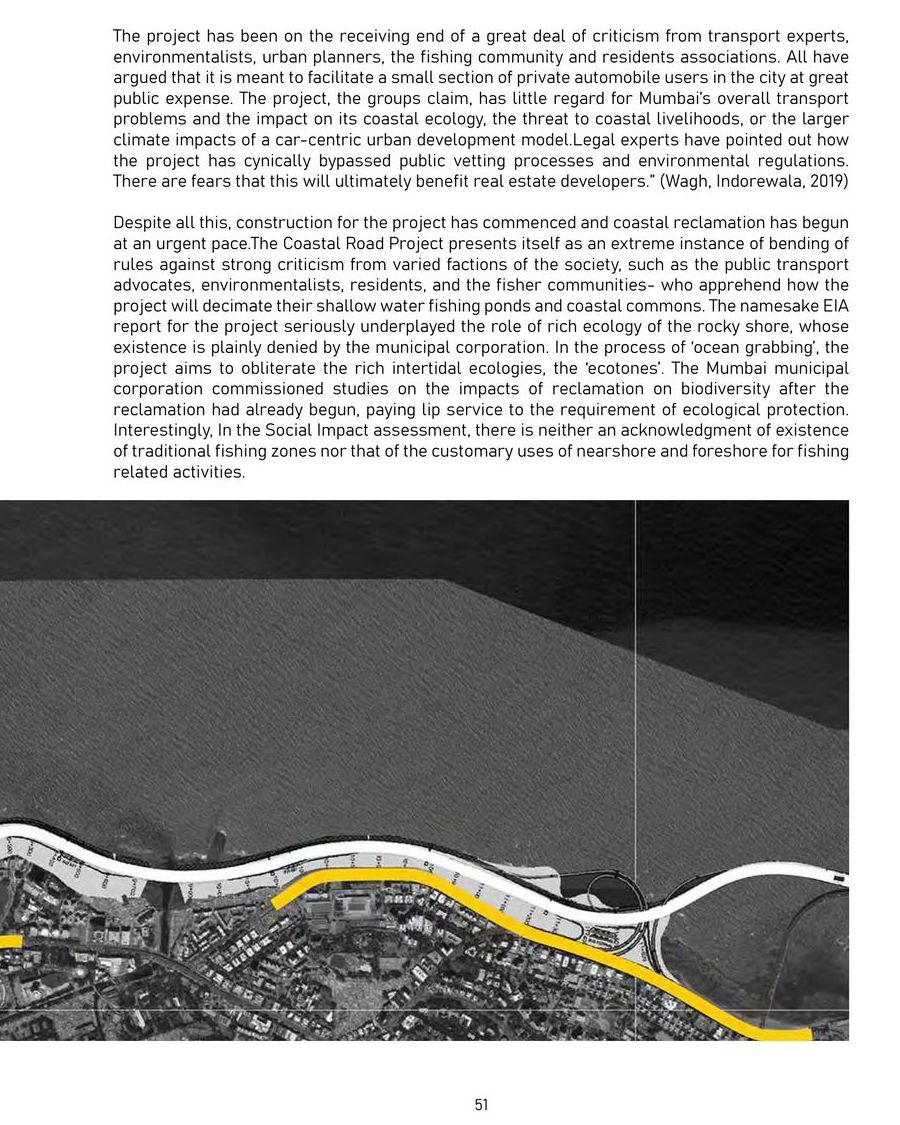
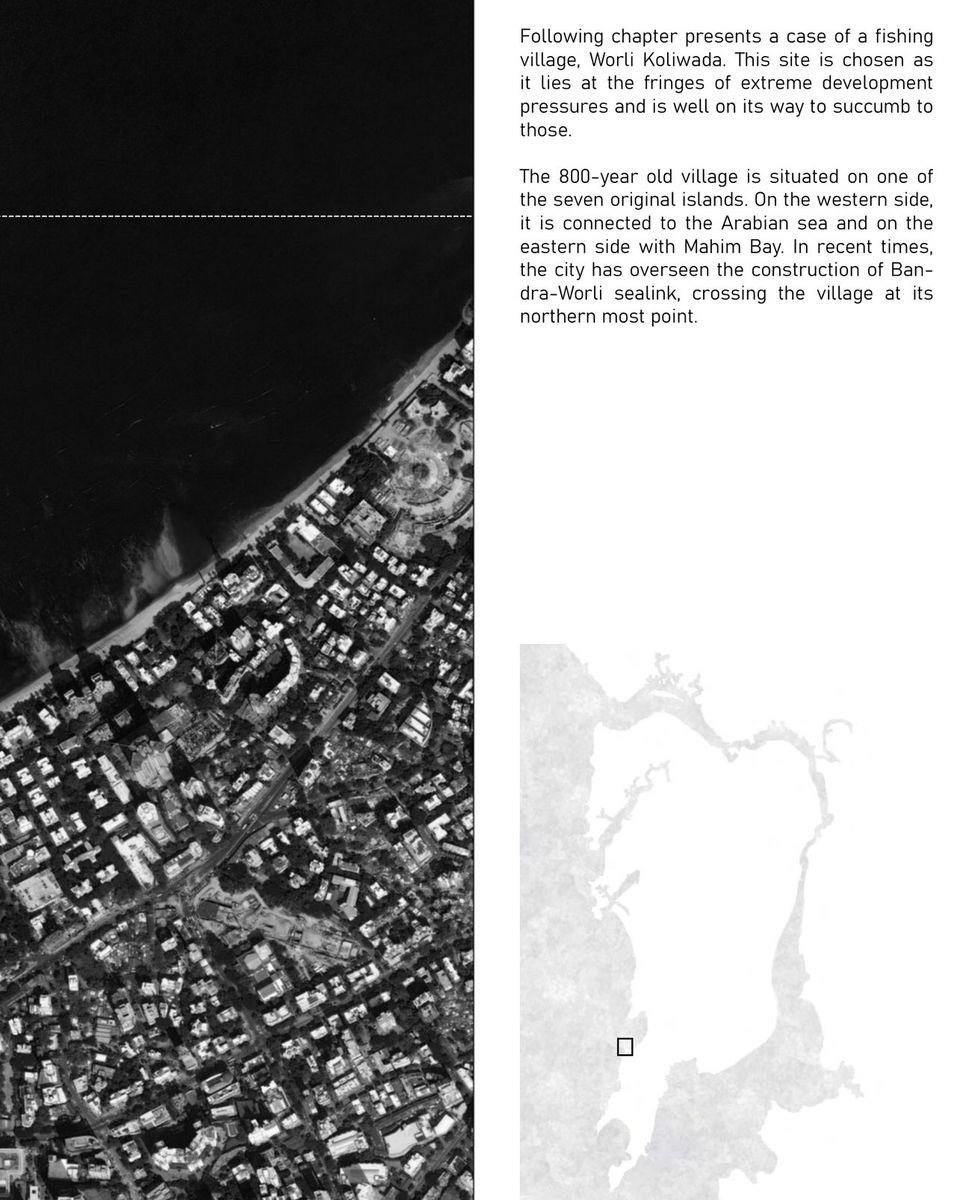
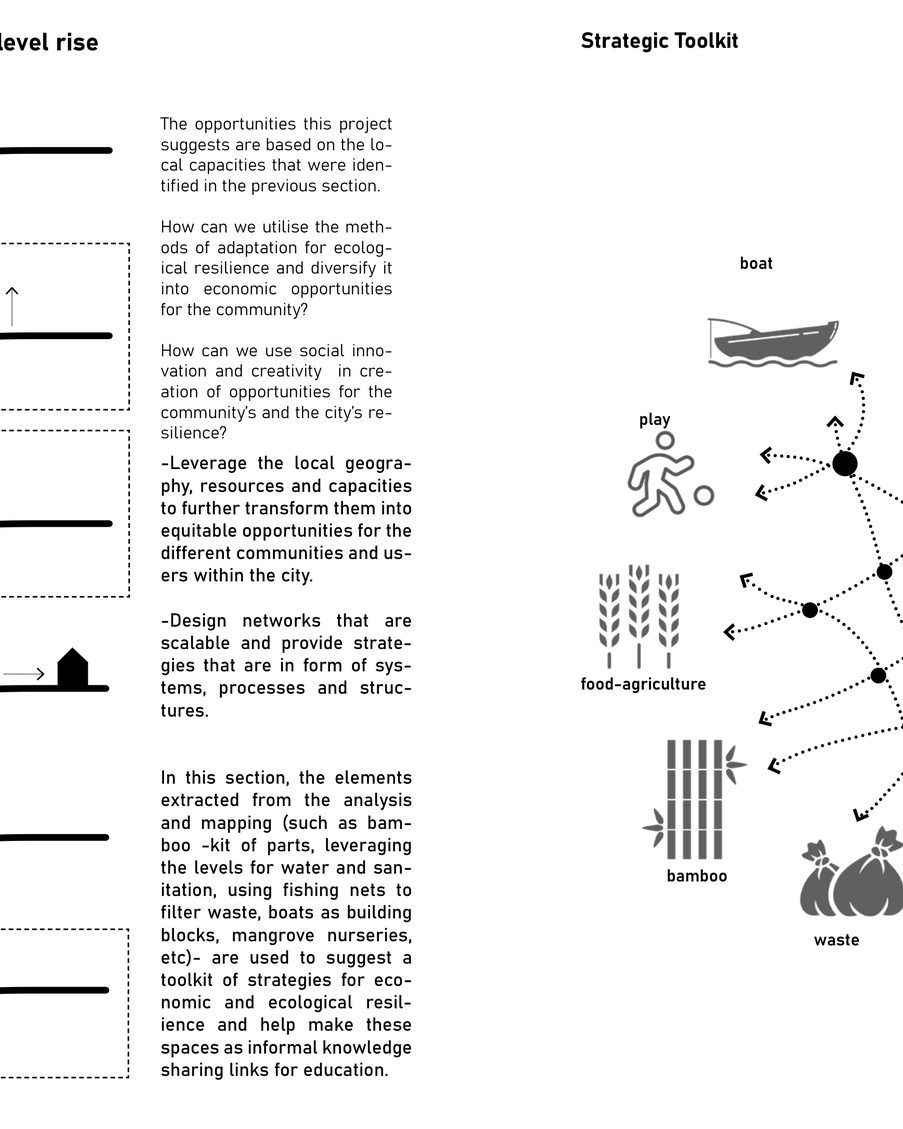
Koliwadas
worli · open source urbanism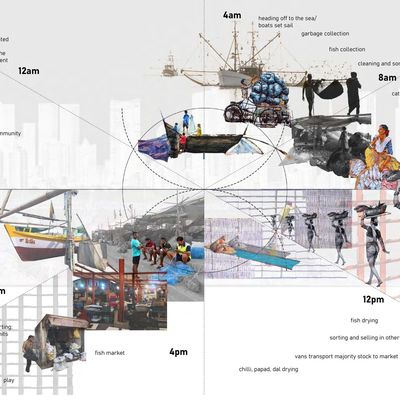
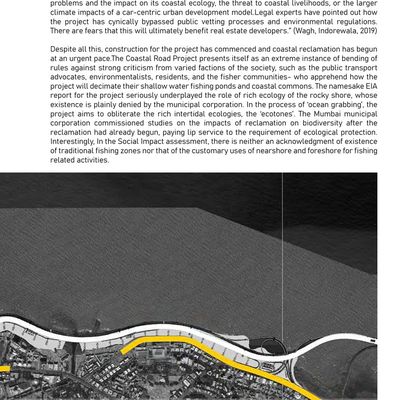
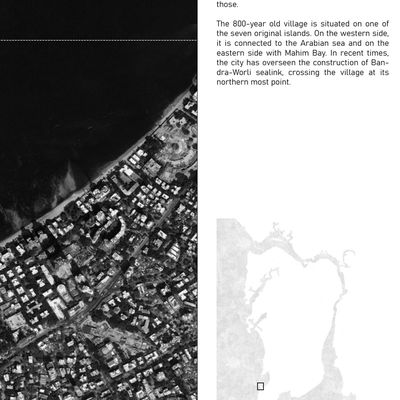
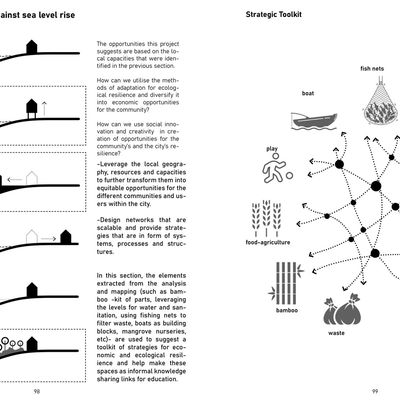
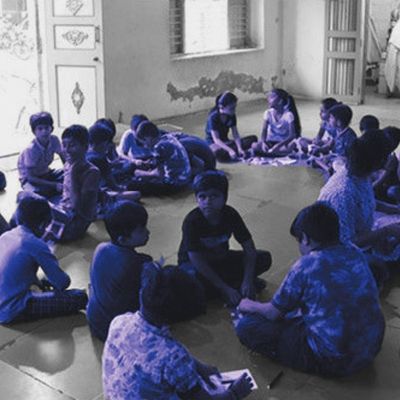
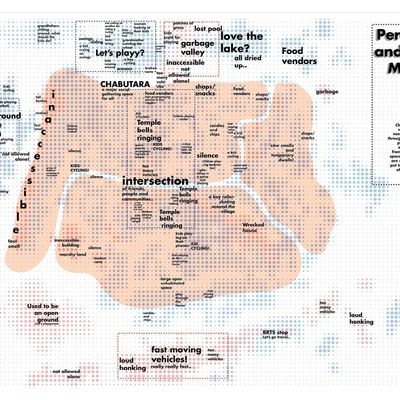
The system nobody had mapped
(click to read)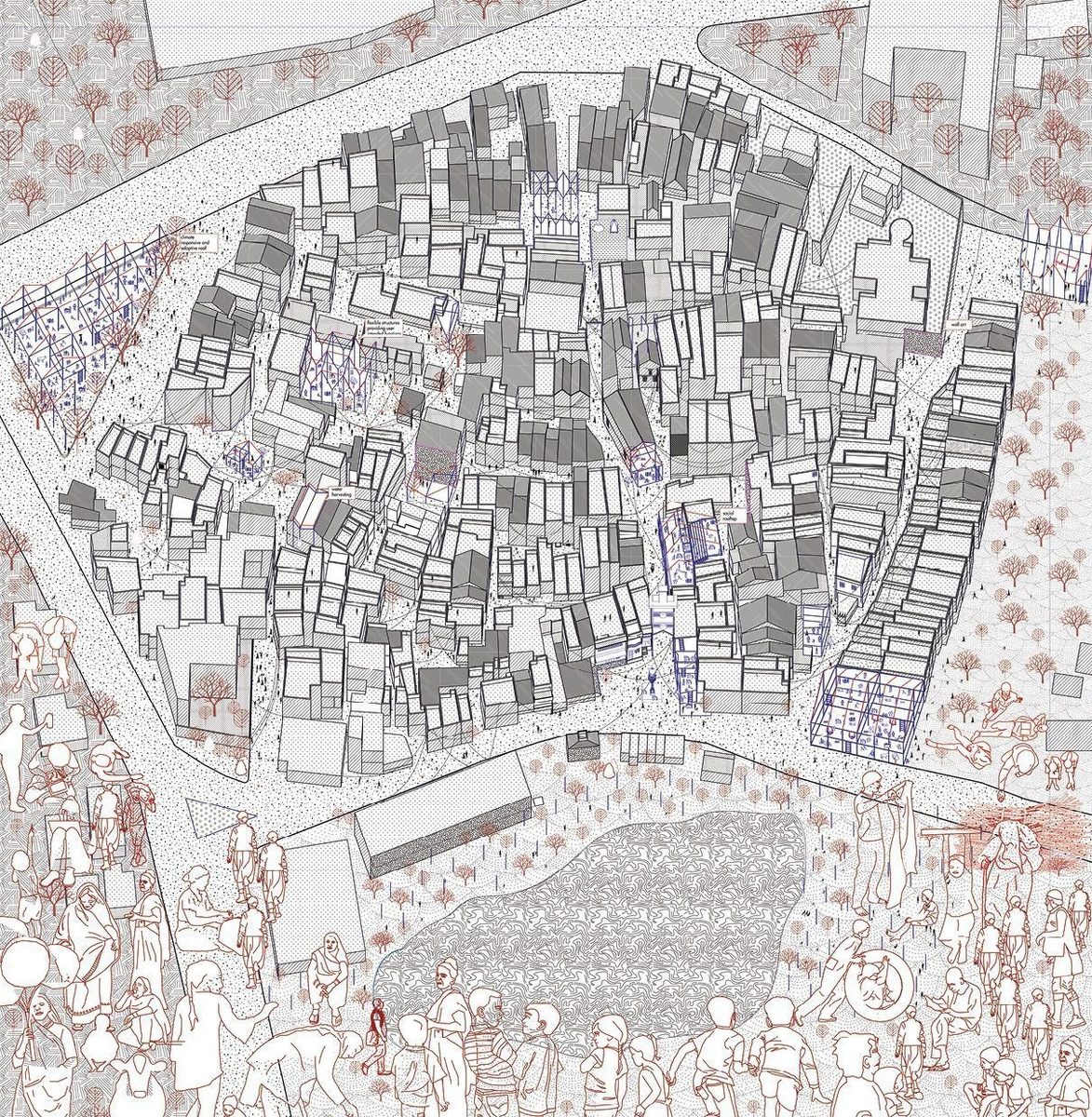
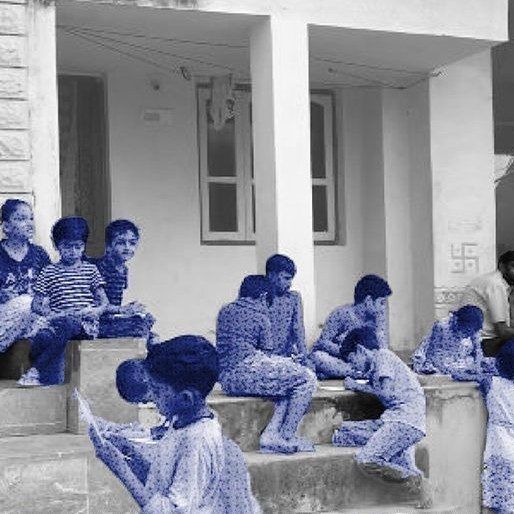
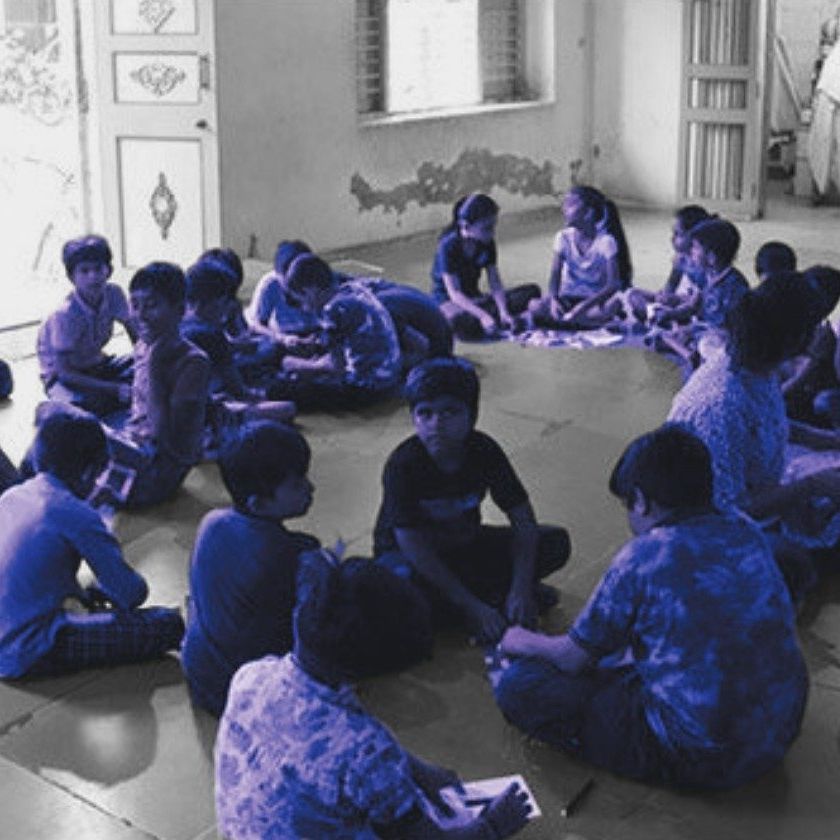
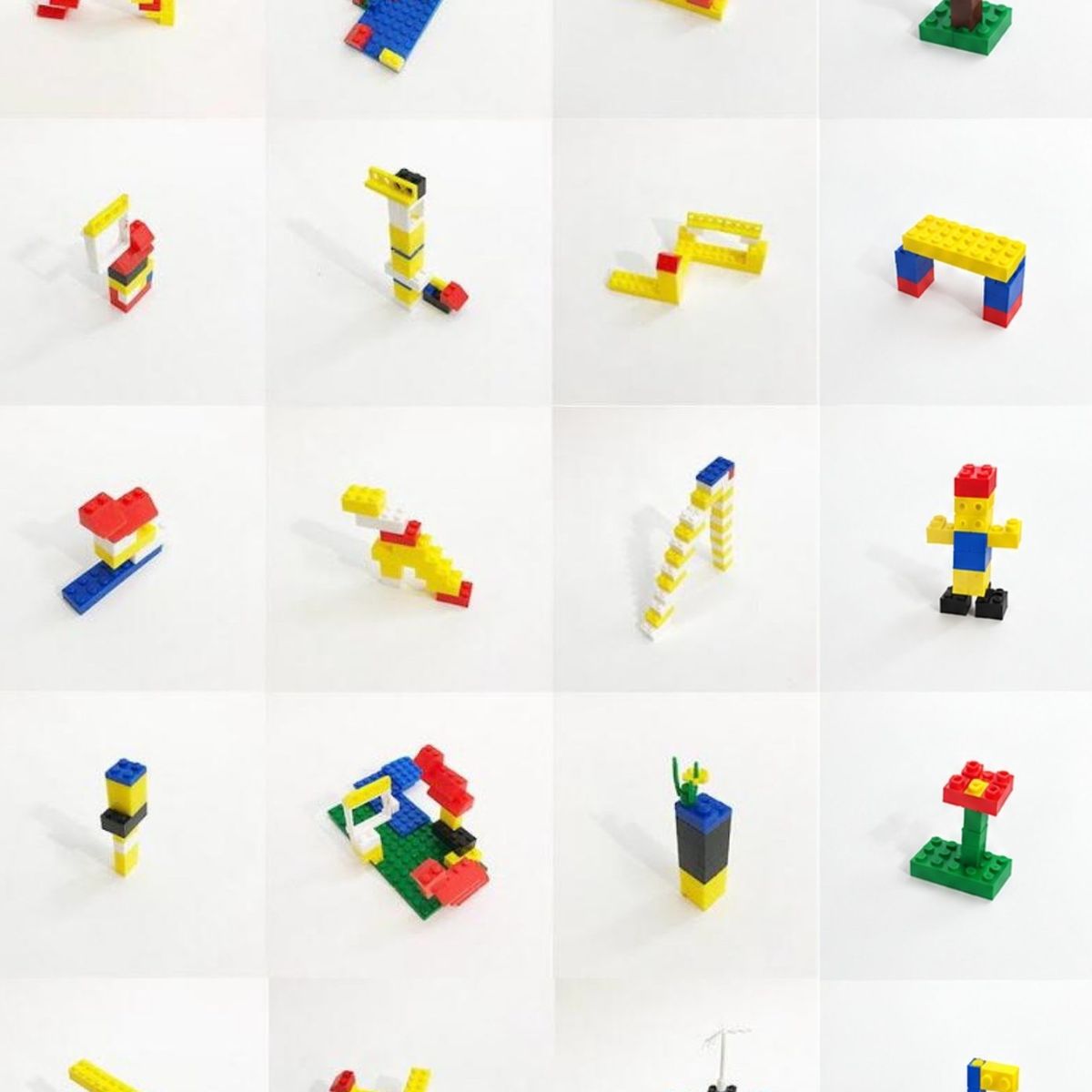
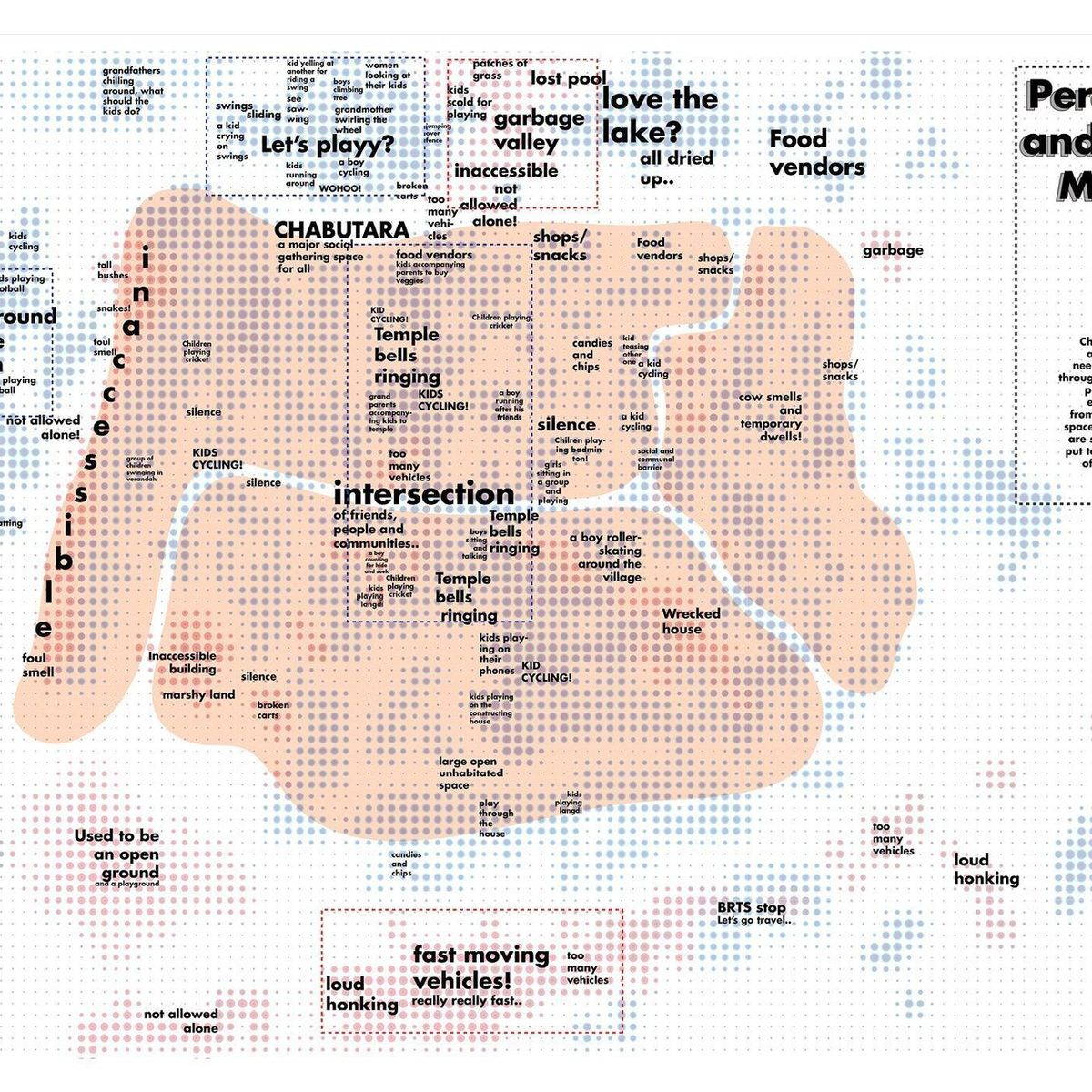
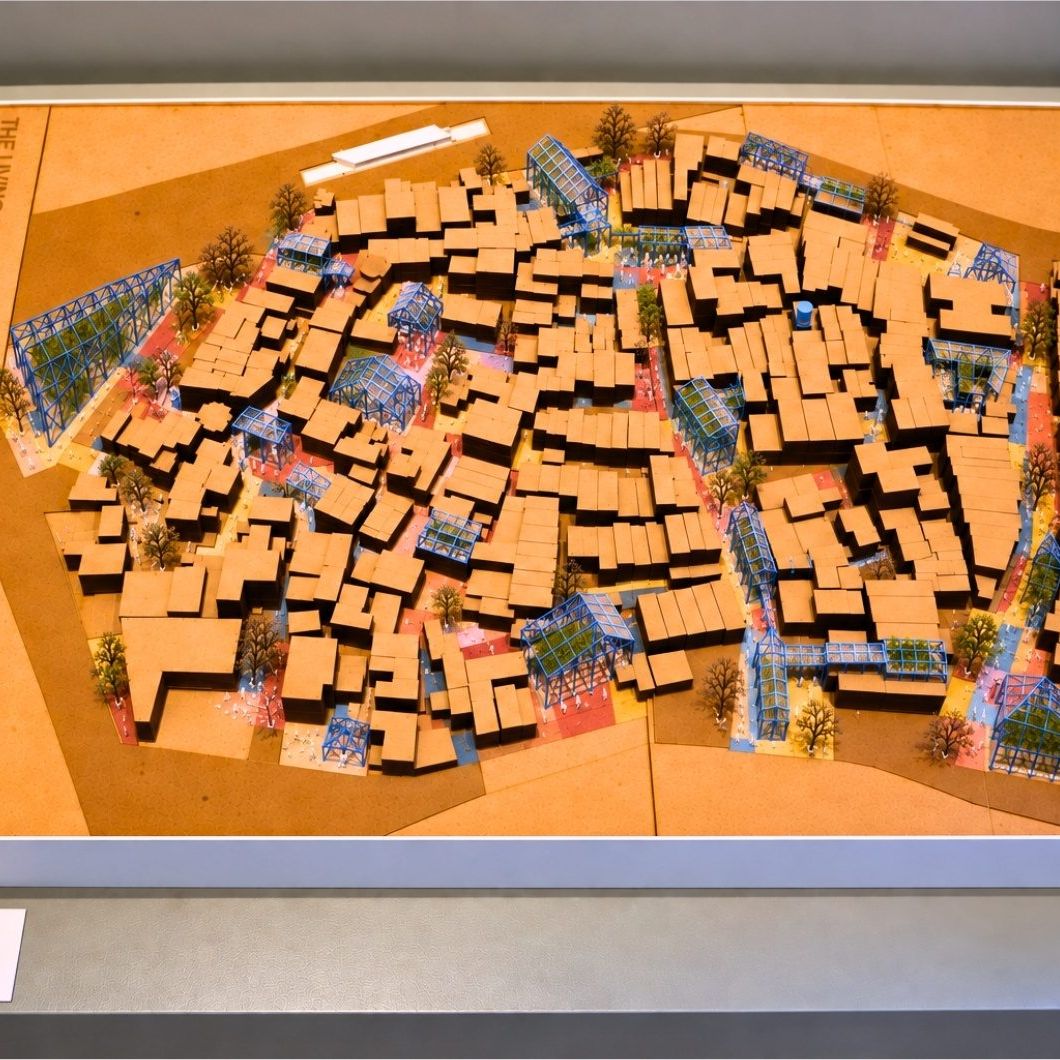
Living Heritage
ambli · participatory systems mapping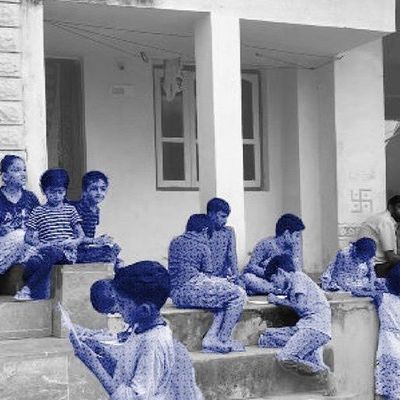
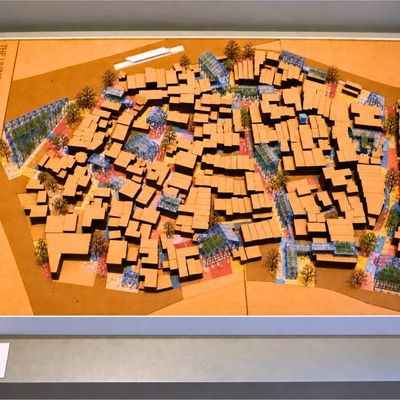
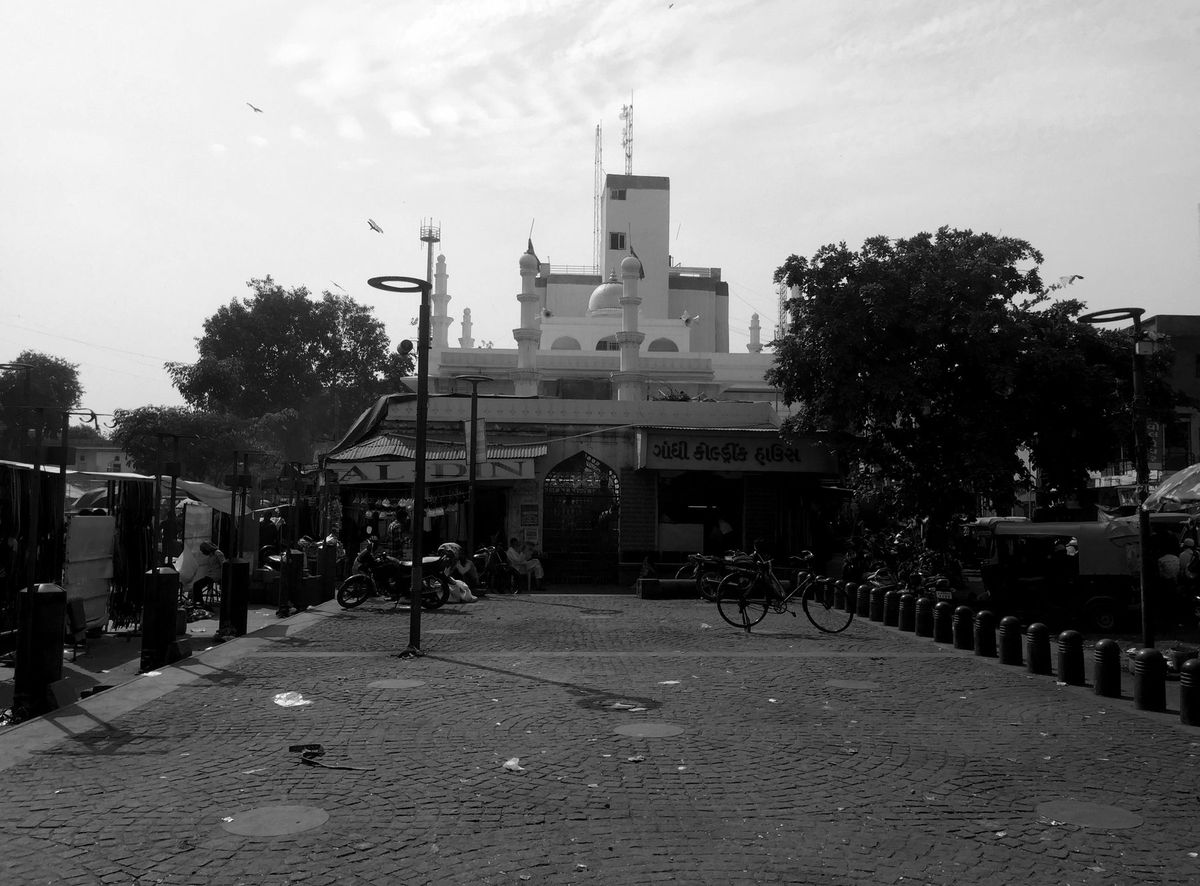
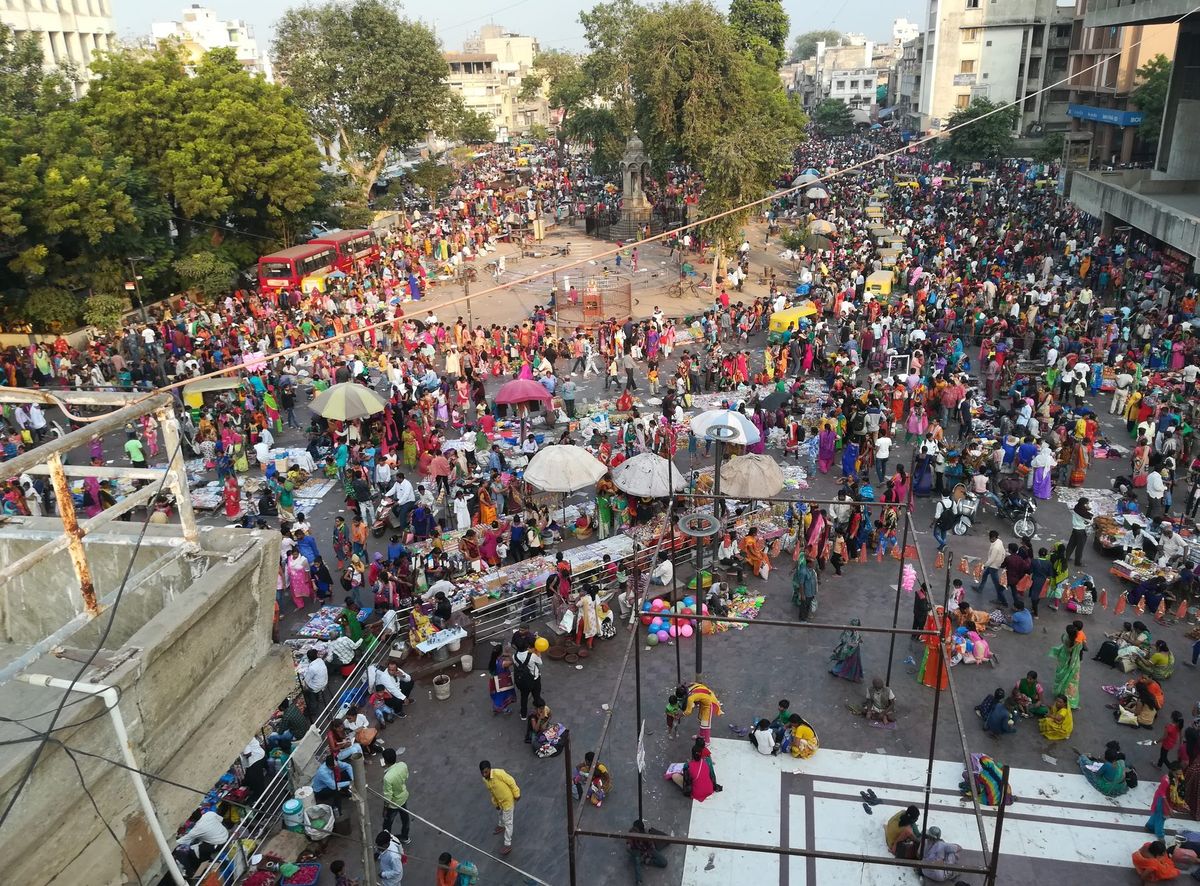
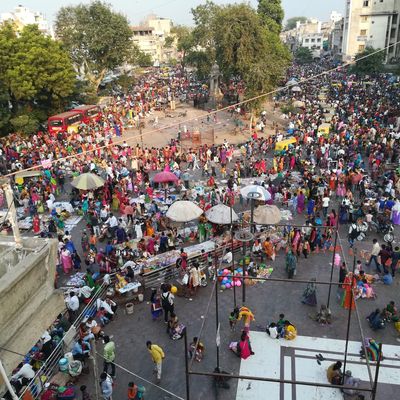
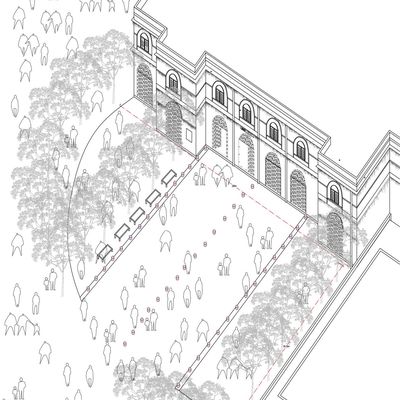
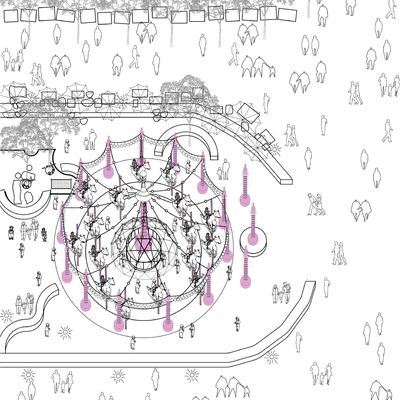
A plaza the city keeps redesigning back
(click to read)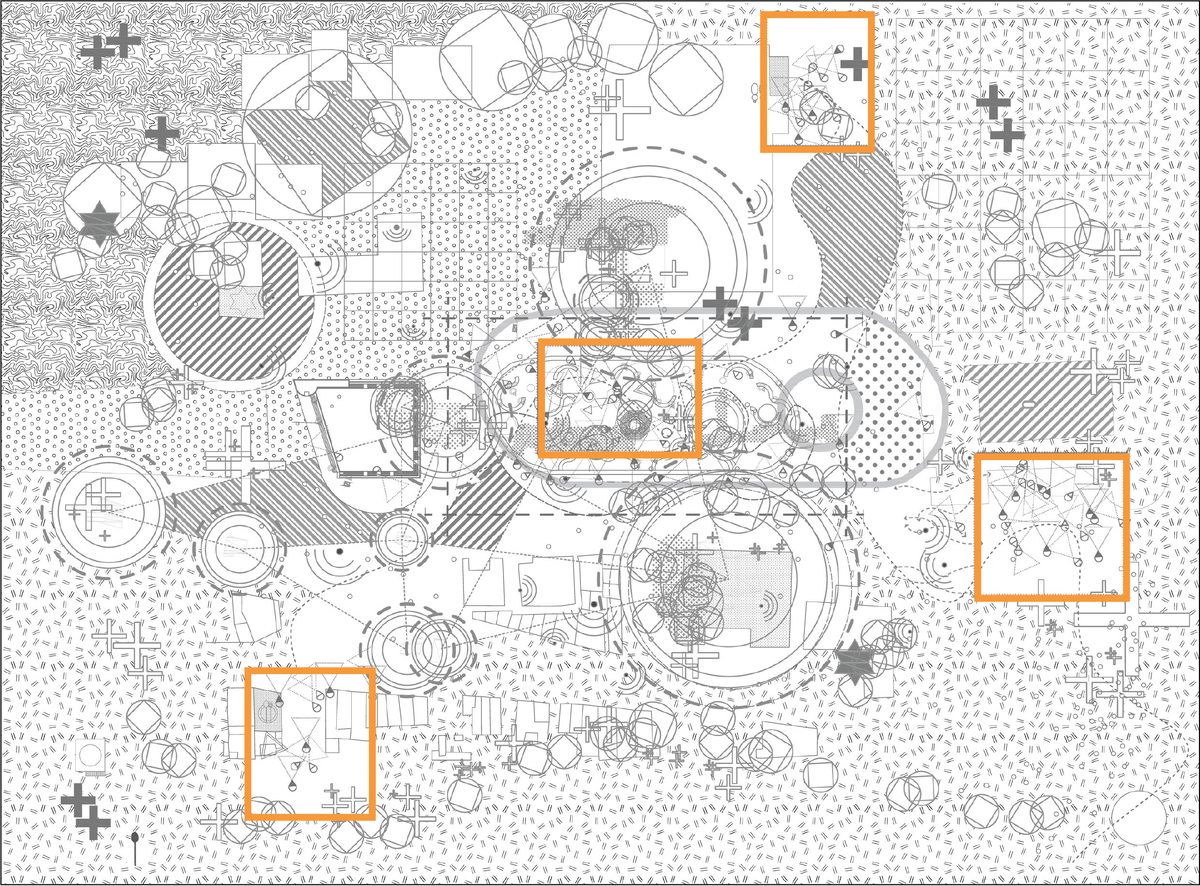
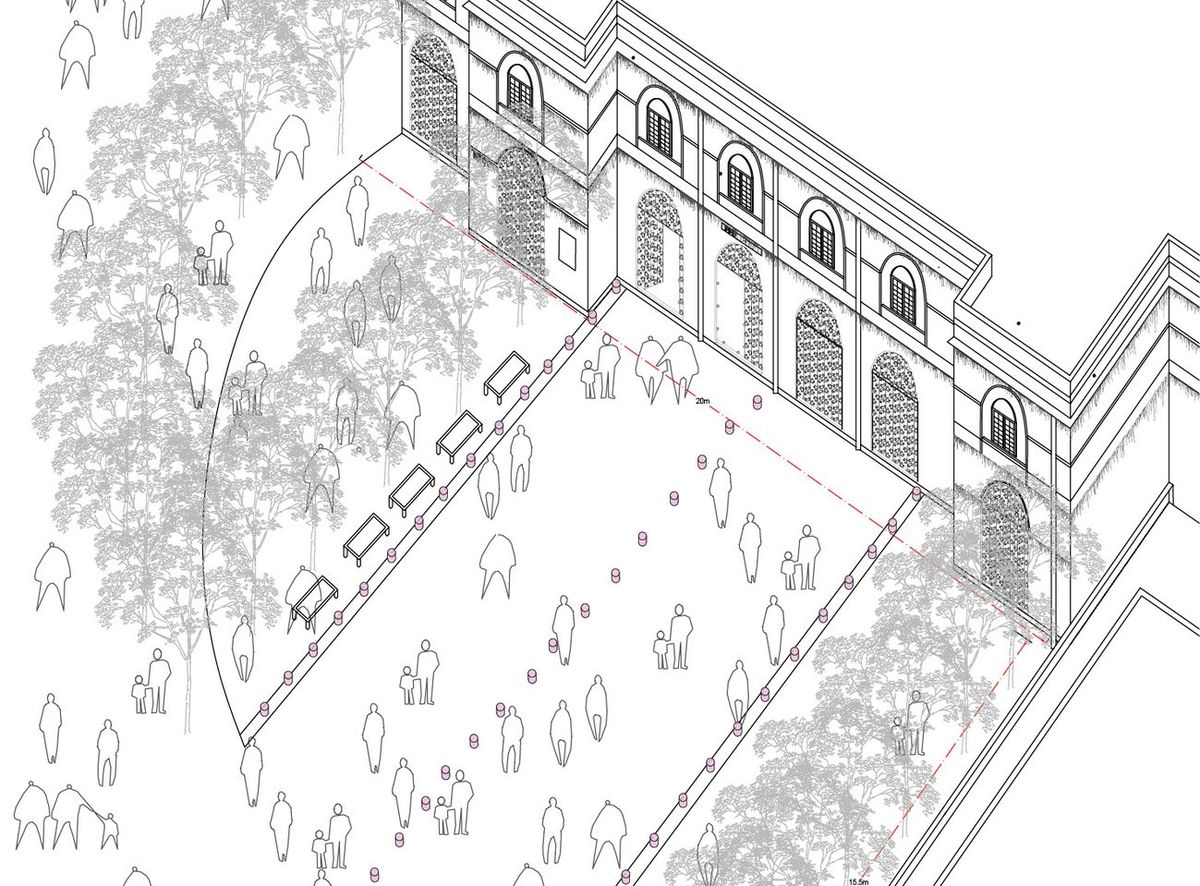
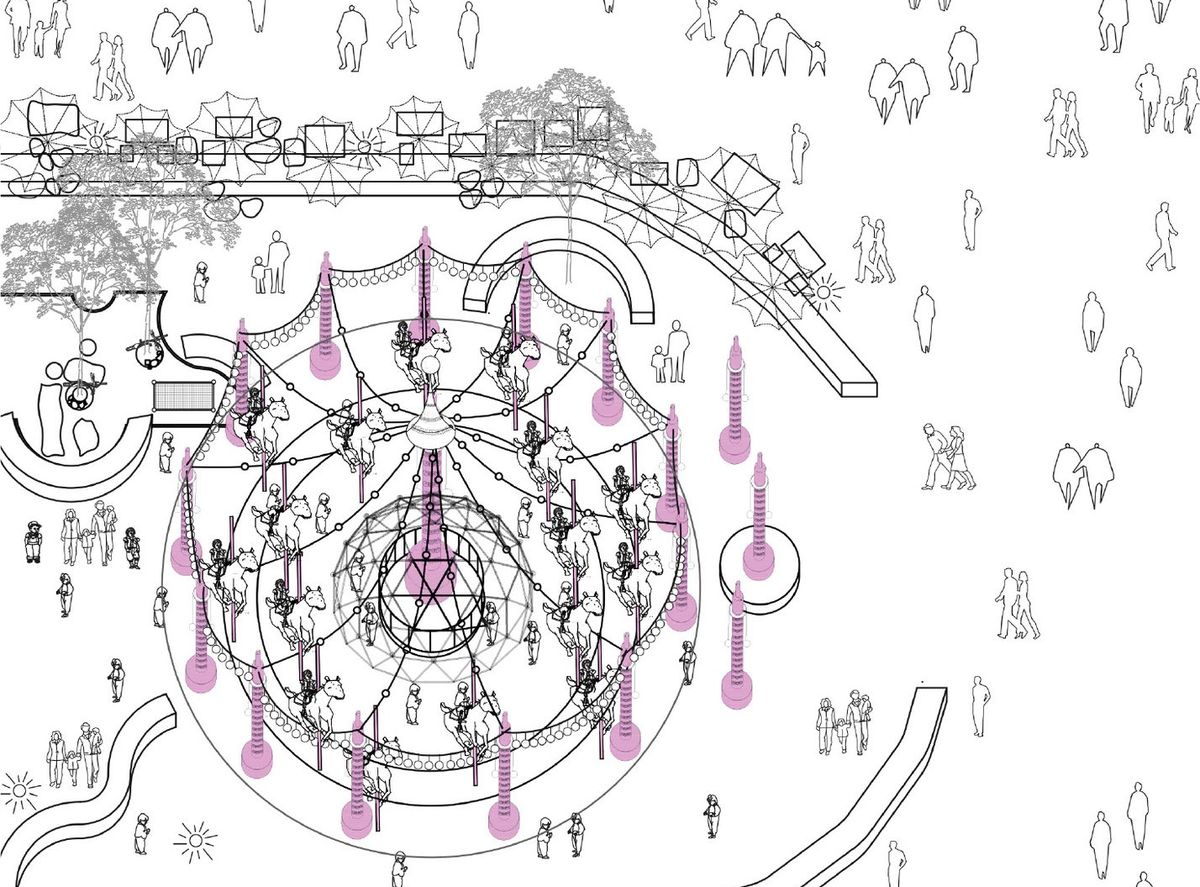
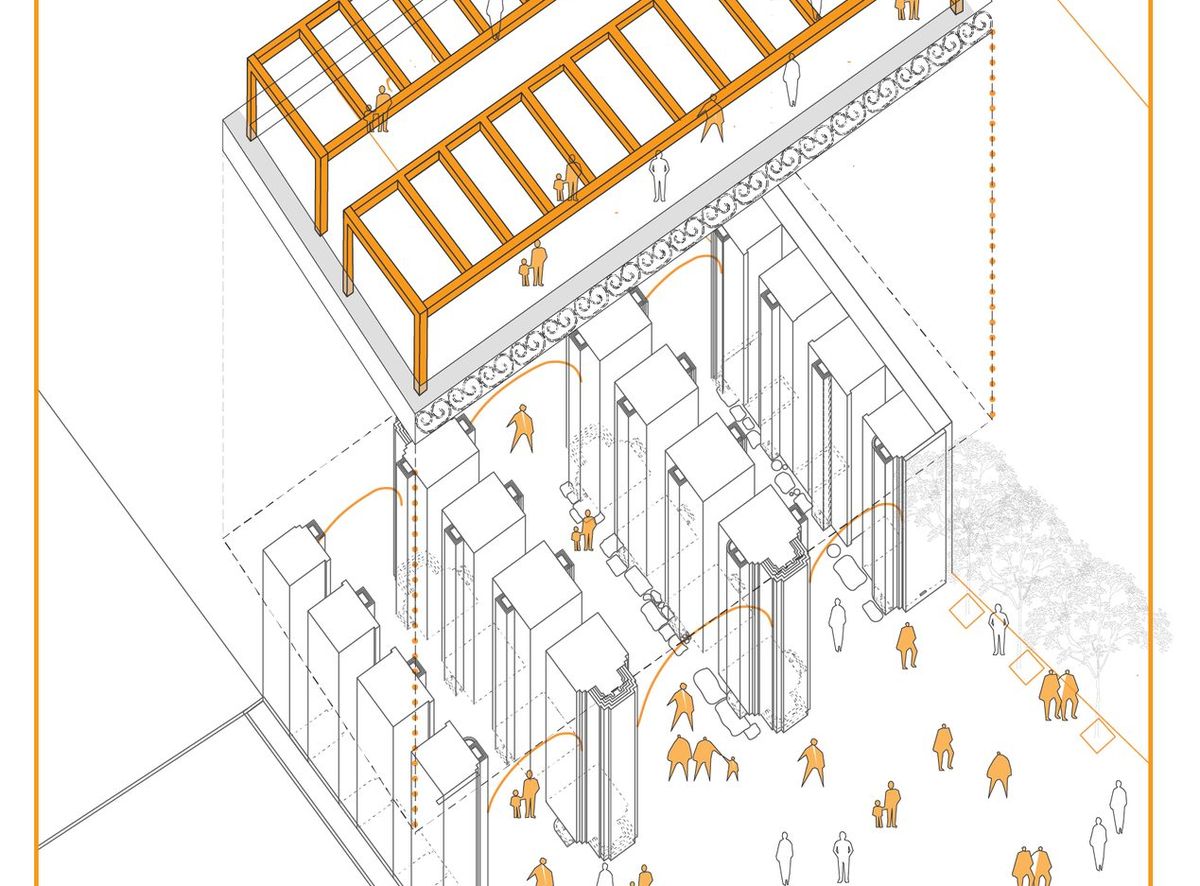
Rebel Bodies Rebel Cities
bhadra · narrative cartography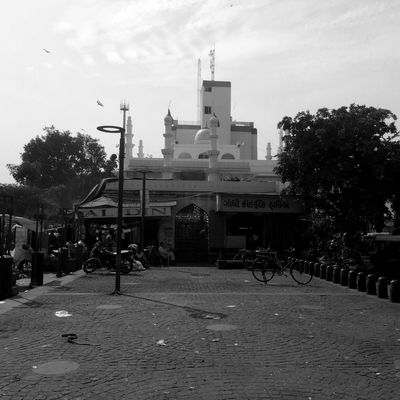
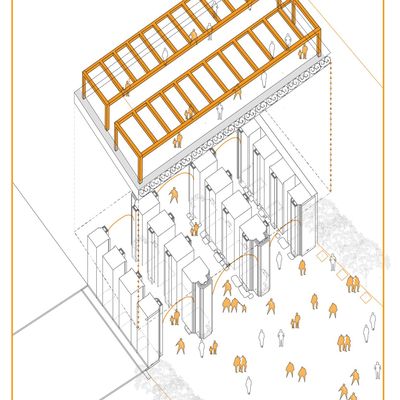
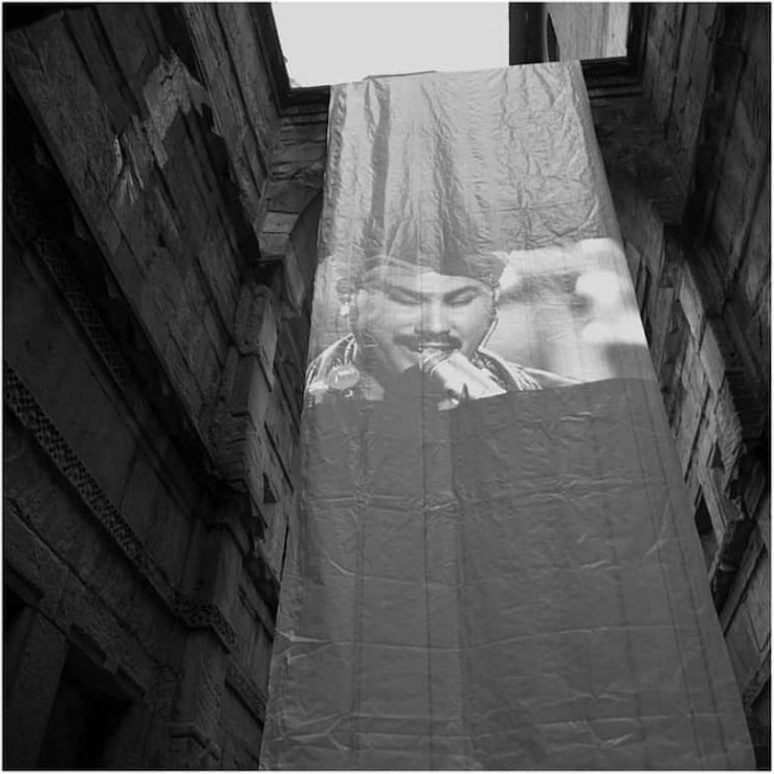
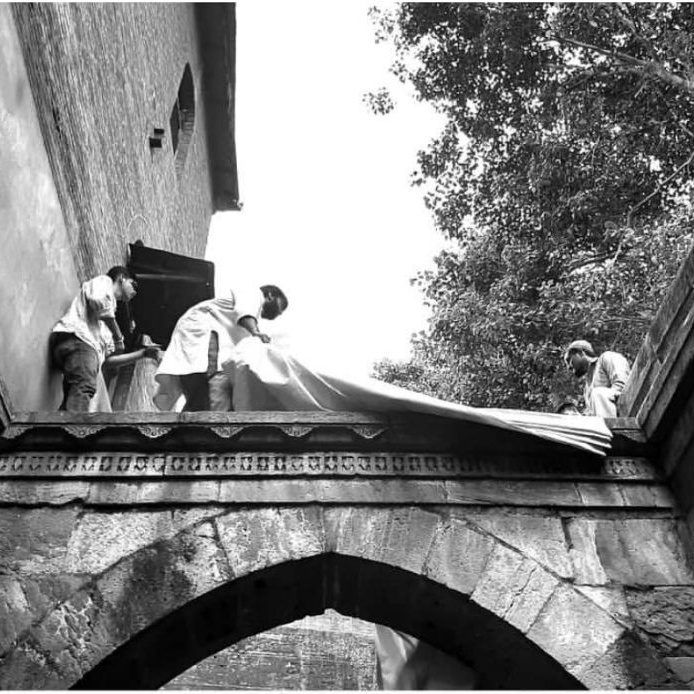
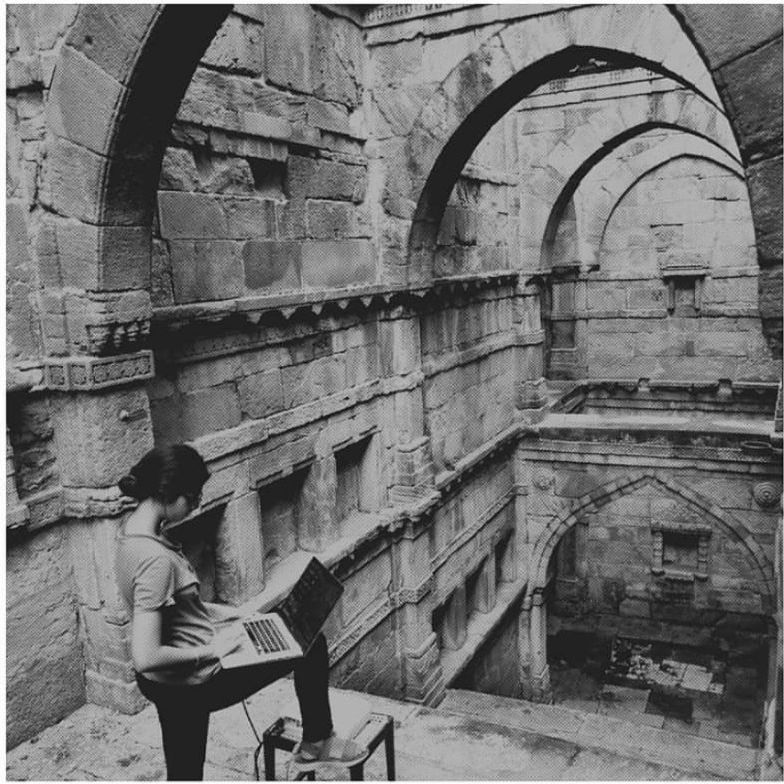
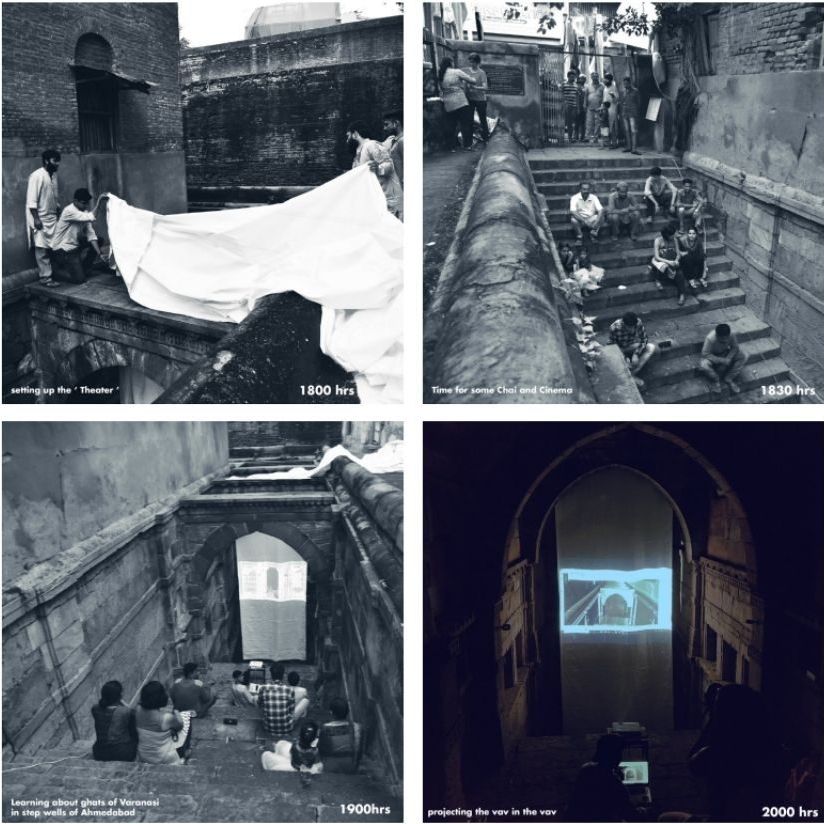
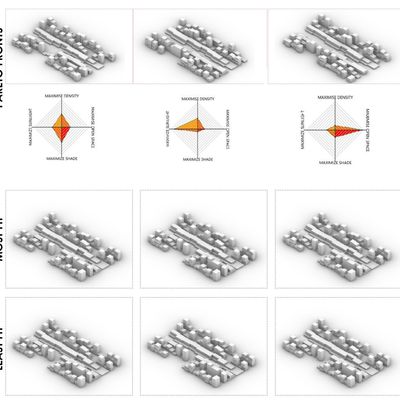
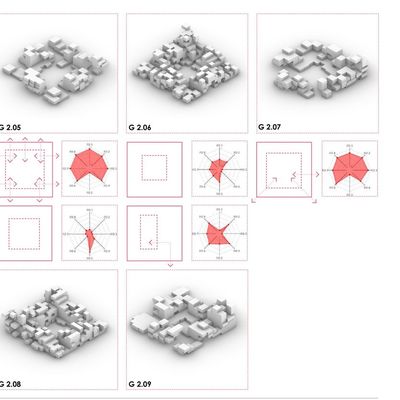
Sprawl, or floors stacked on floors
(click to read)
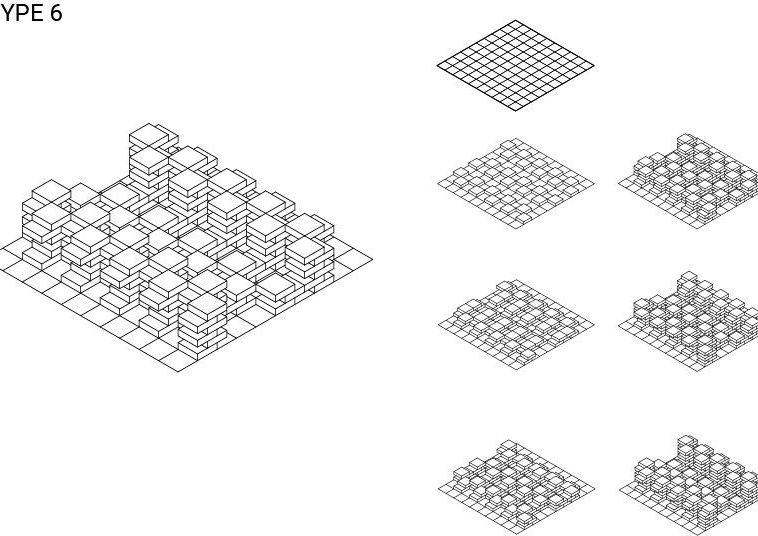
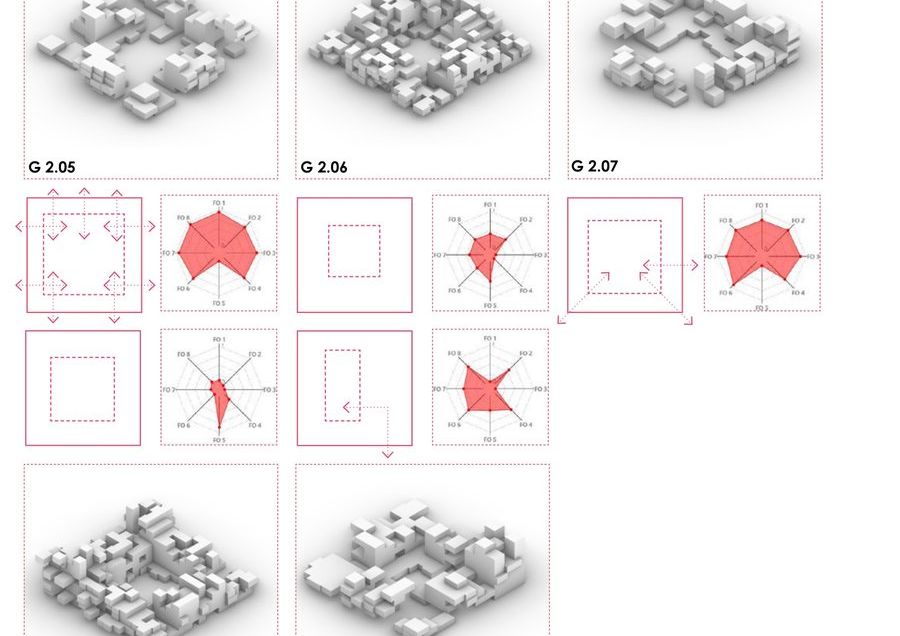
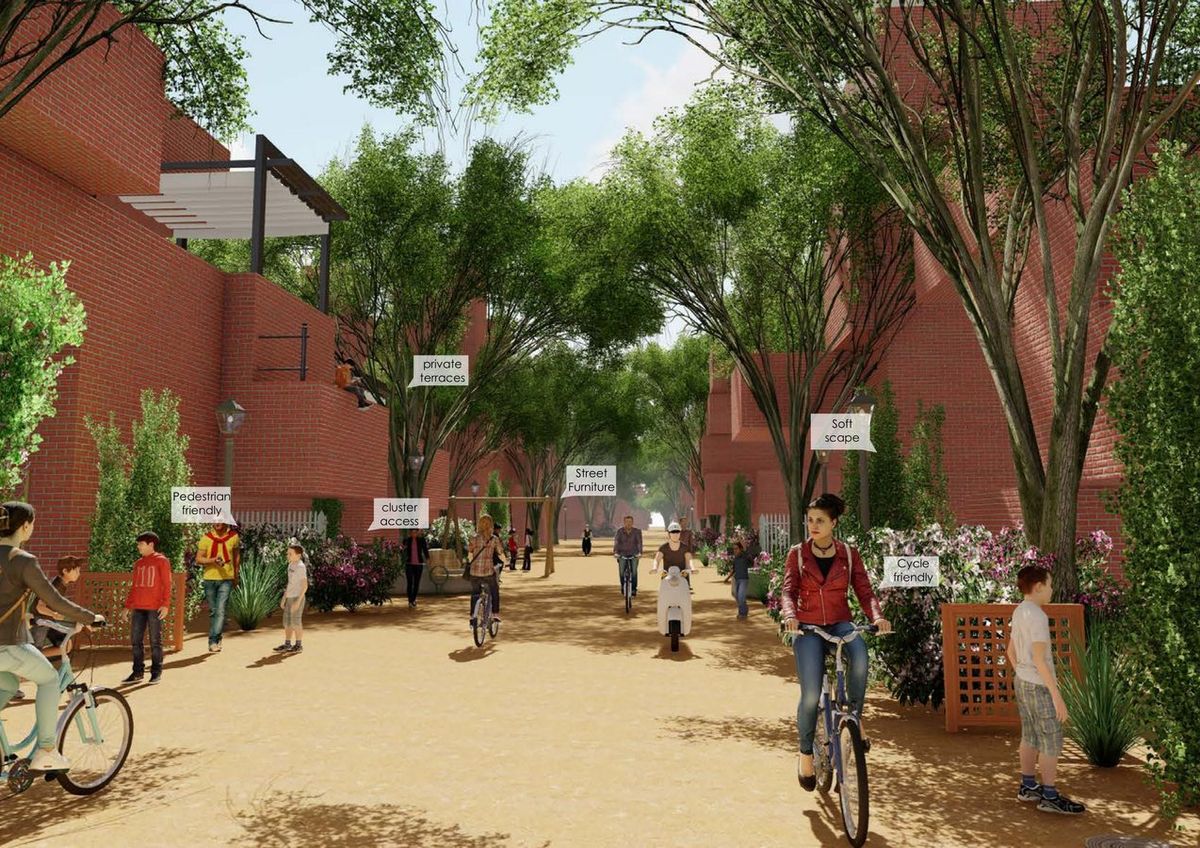
Generative Techniques
ahmedabad · evolutionary computation
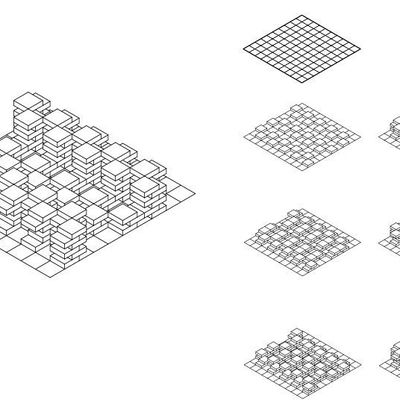
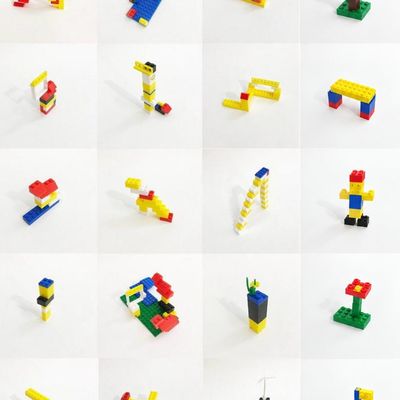
Five materials, one structure
(click to read)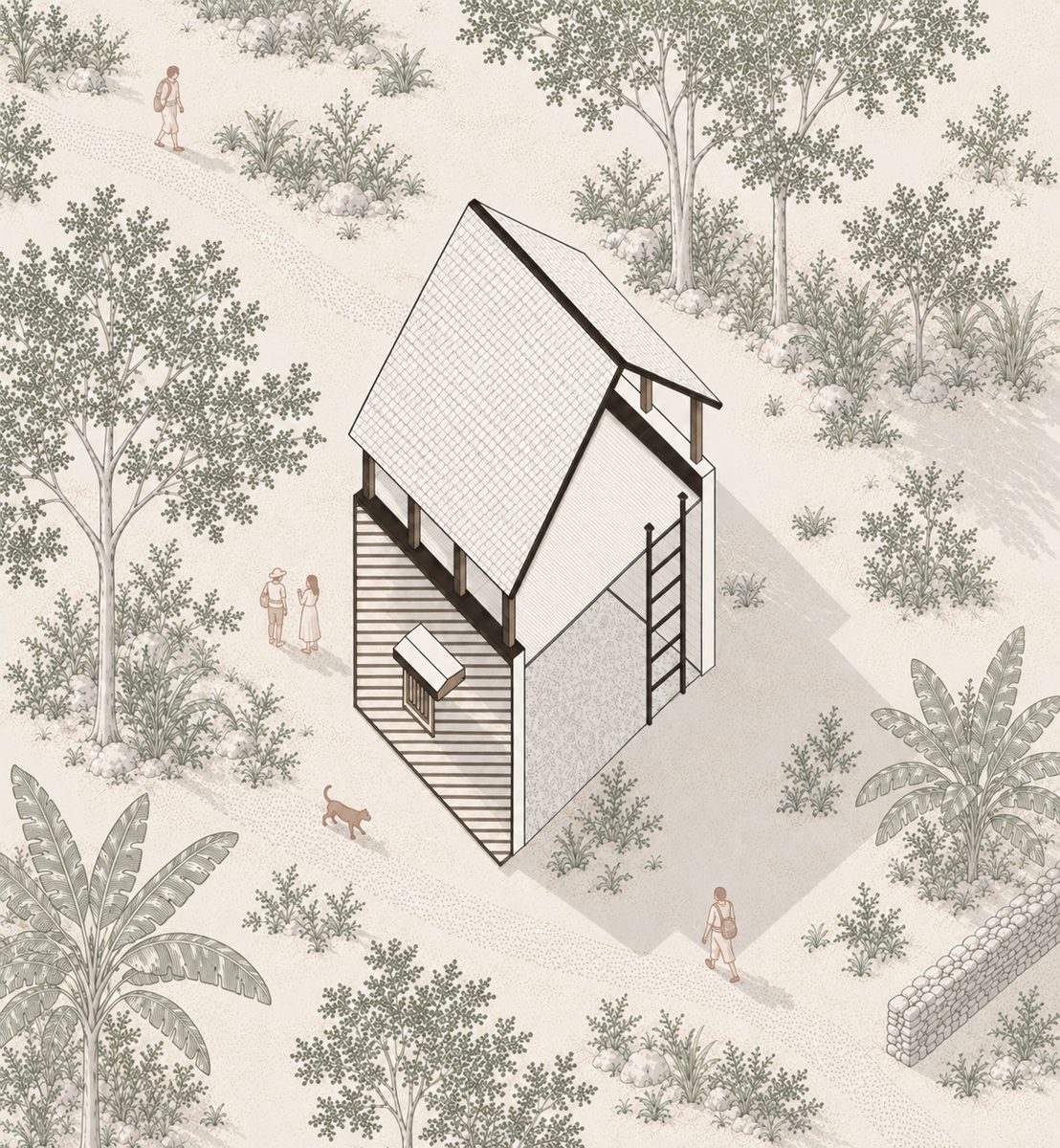
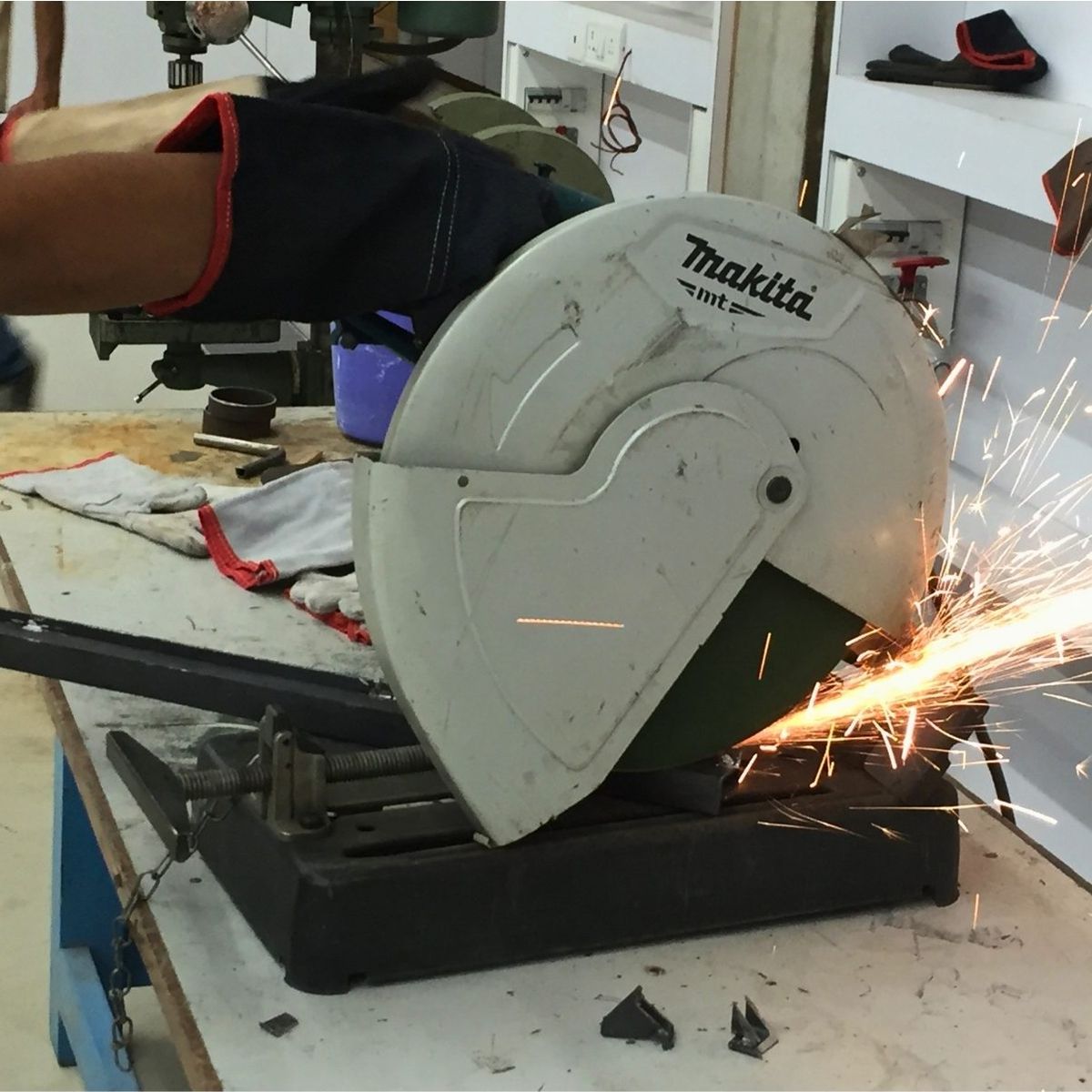
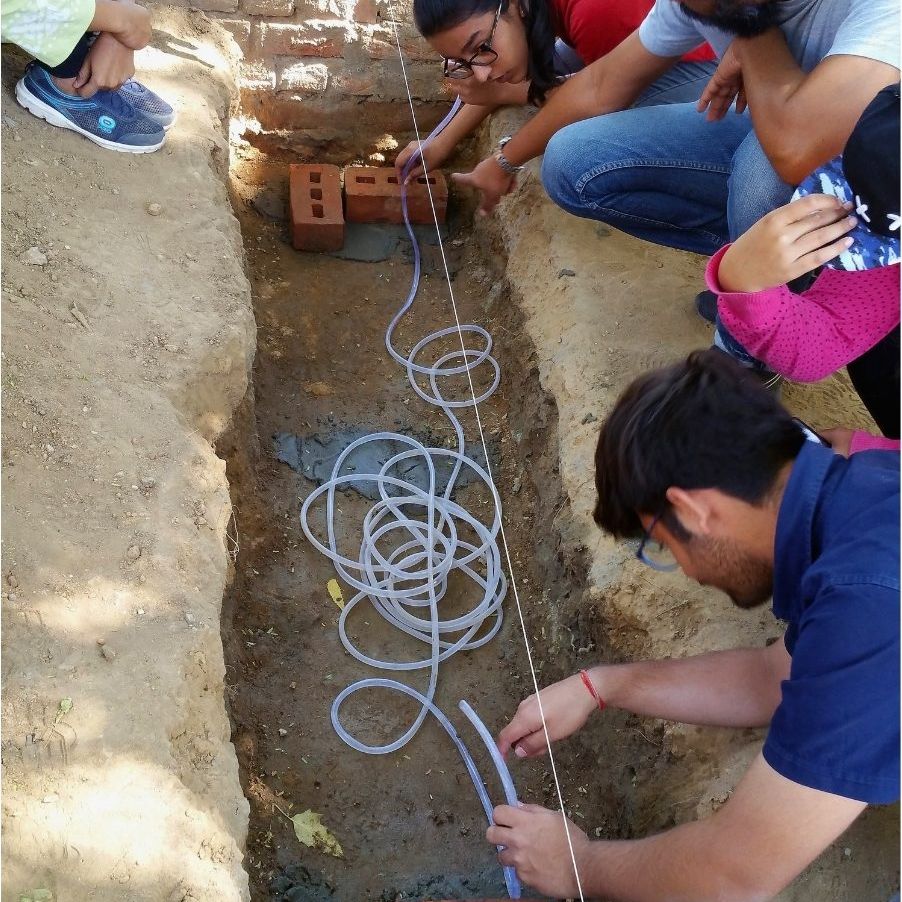
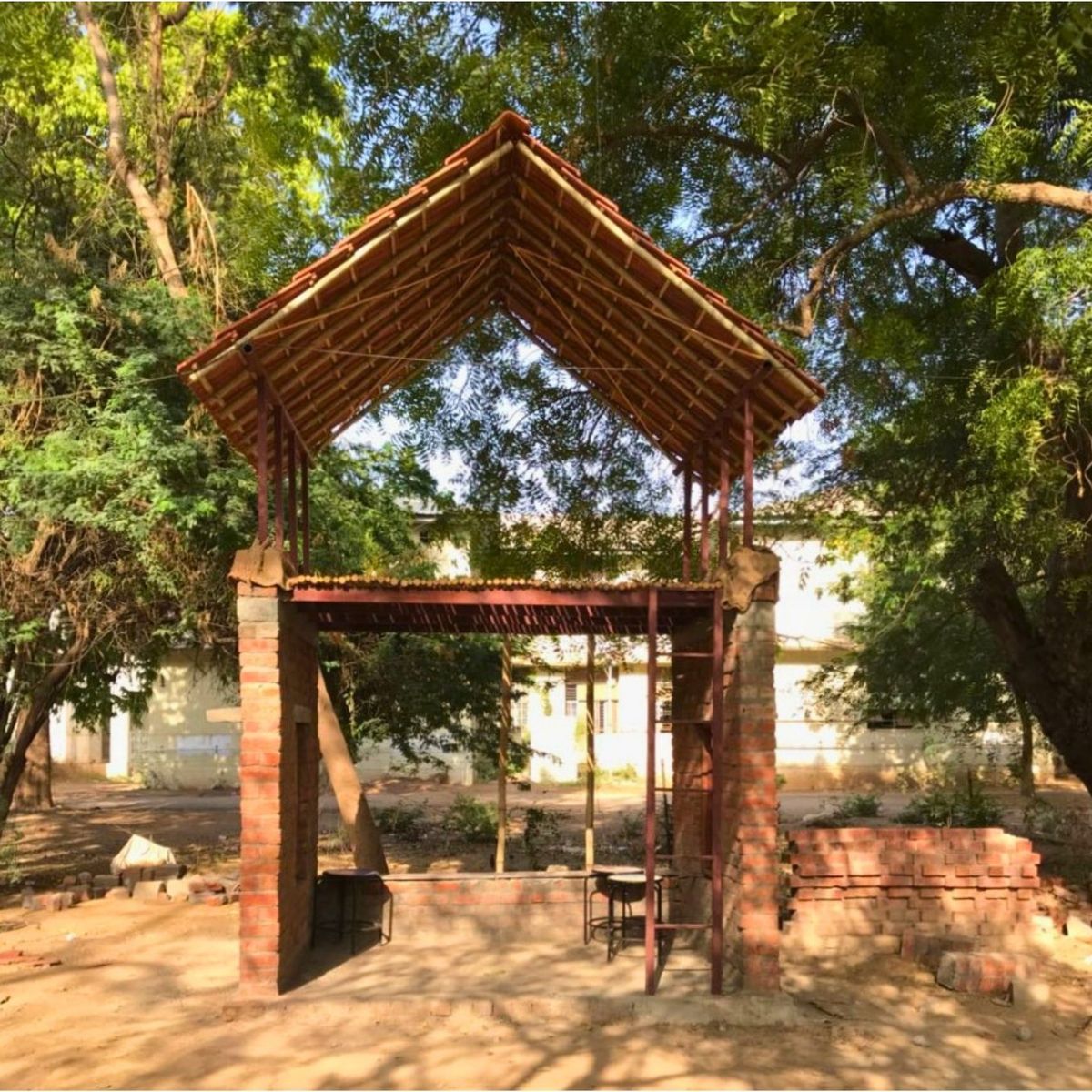
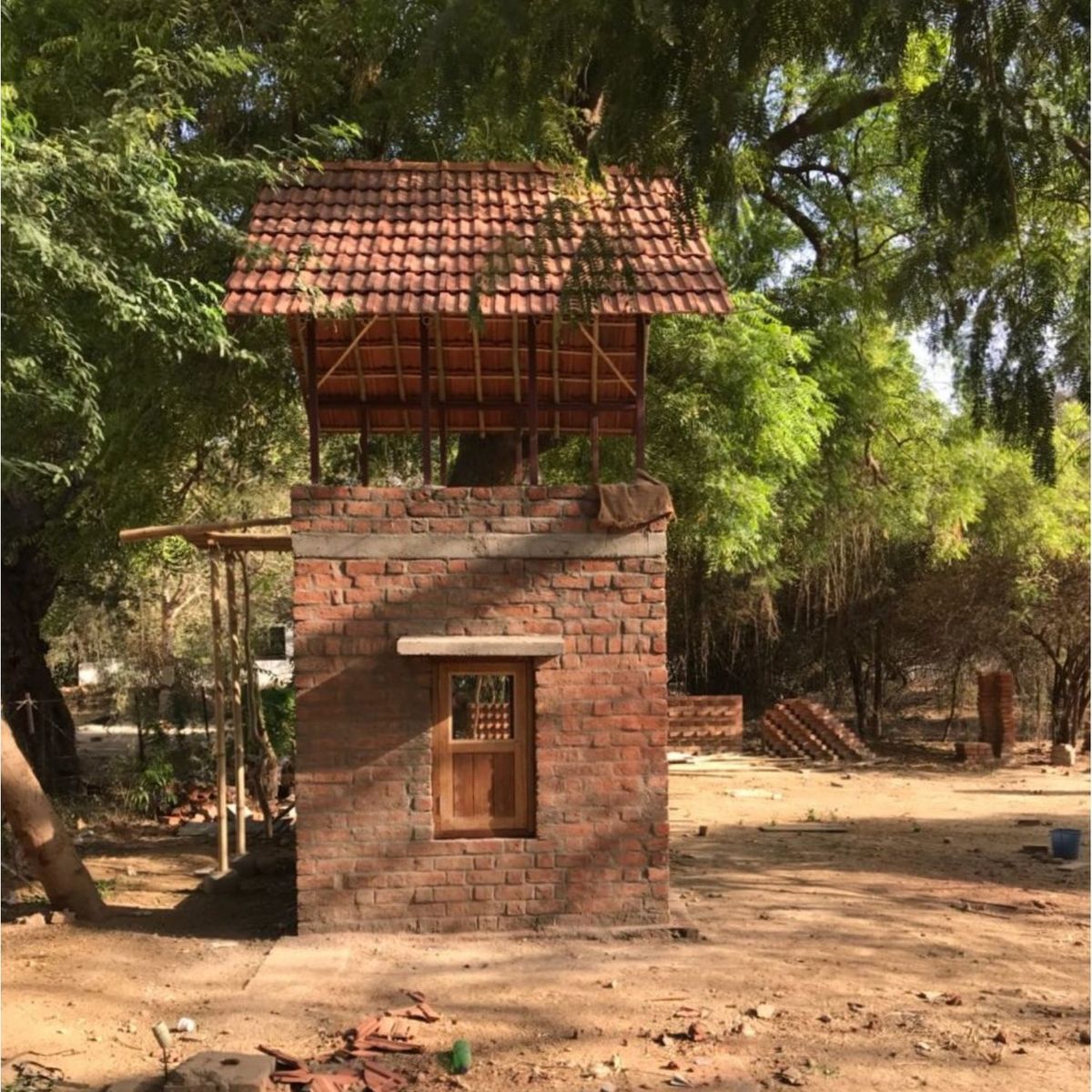
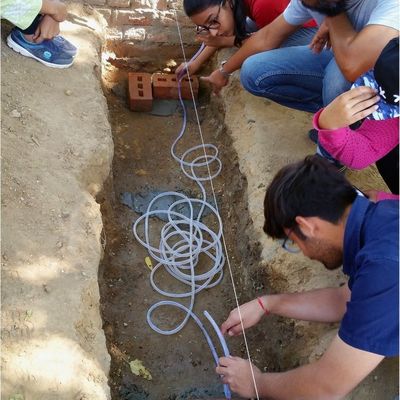
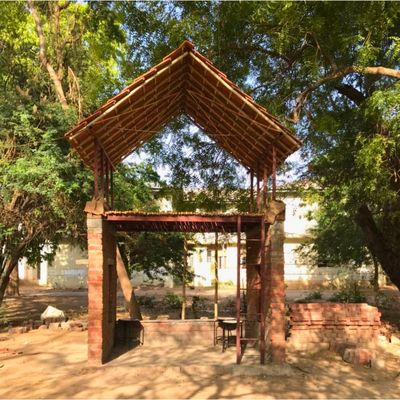
One is to One
cept · construction technology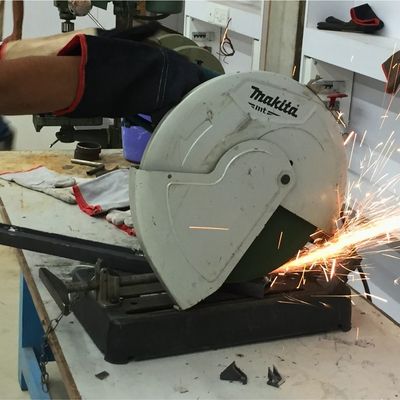
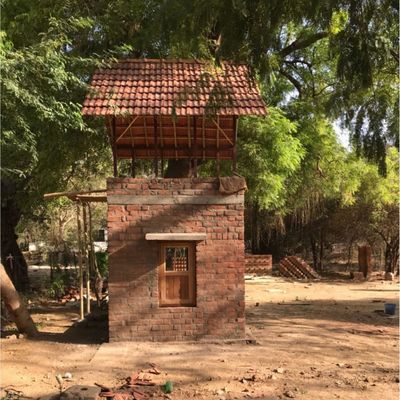
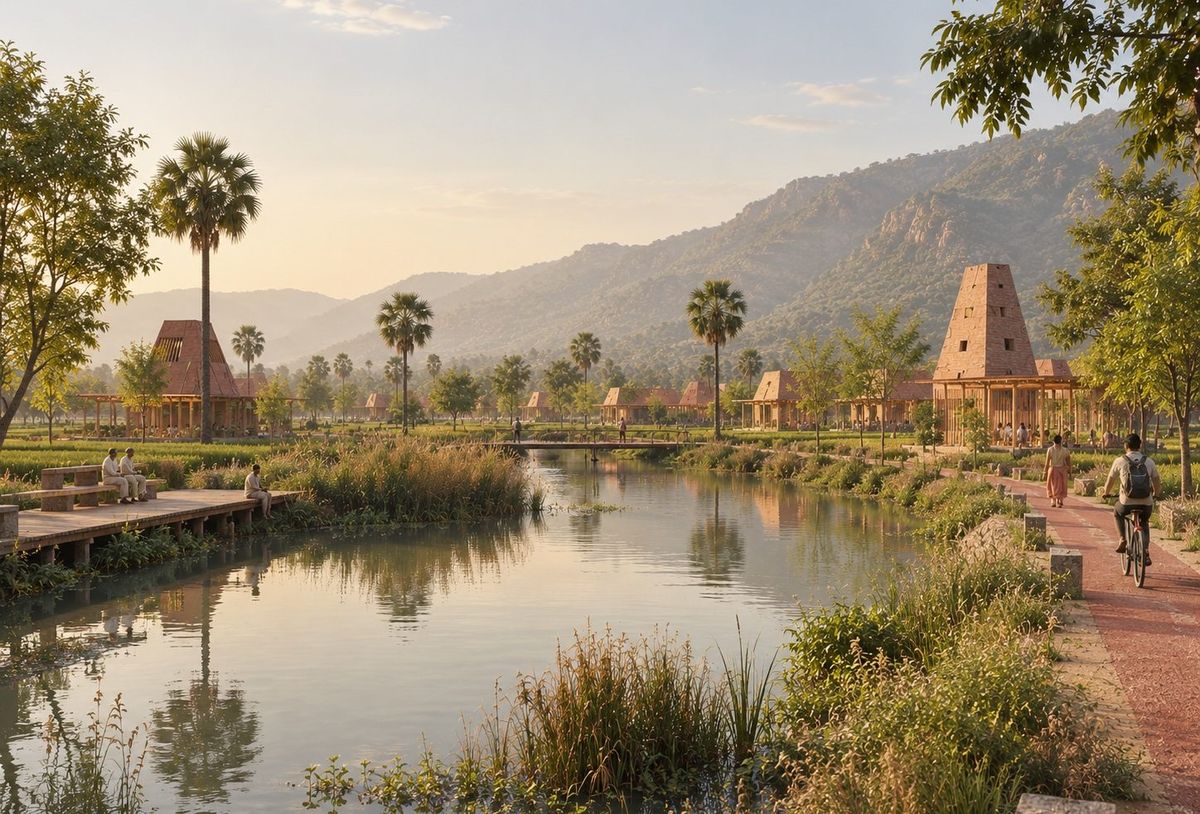
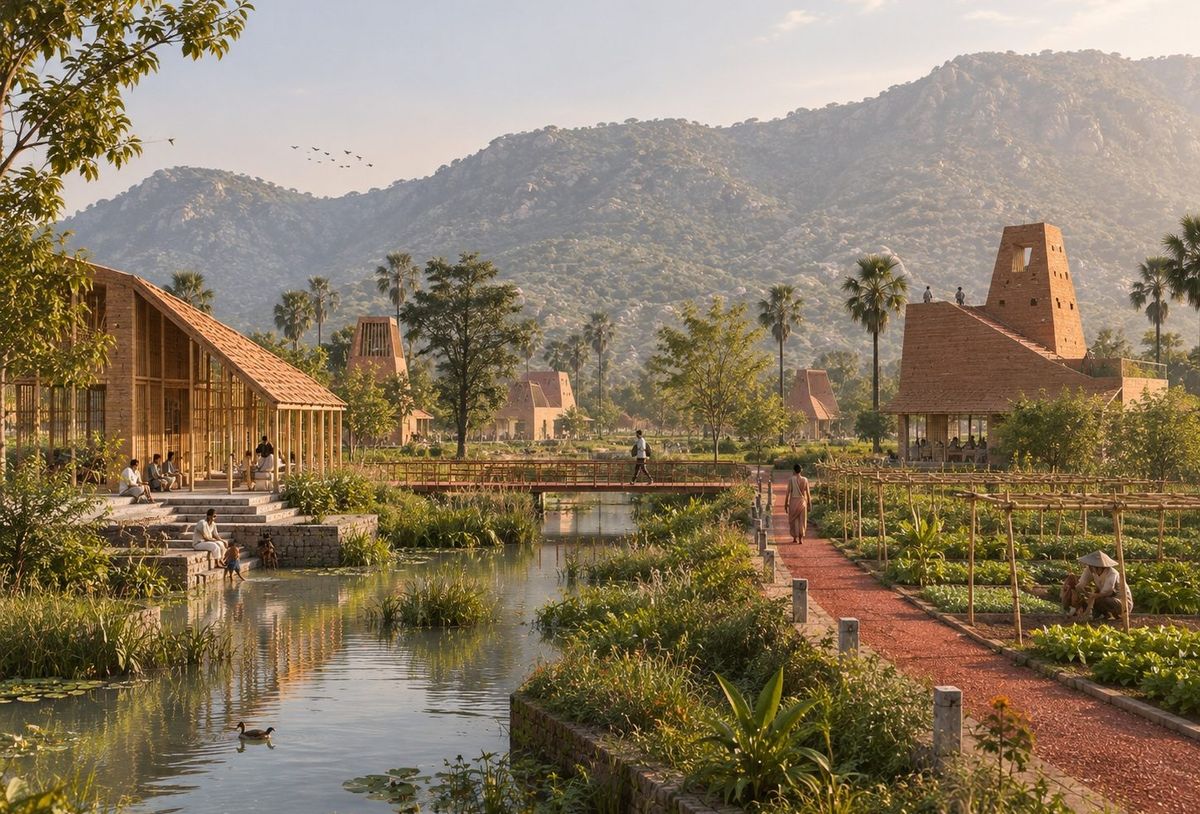
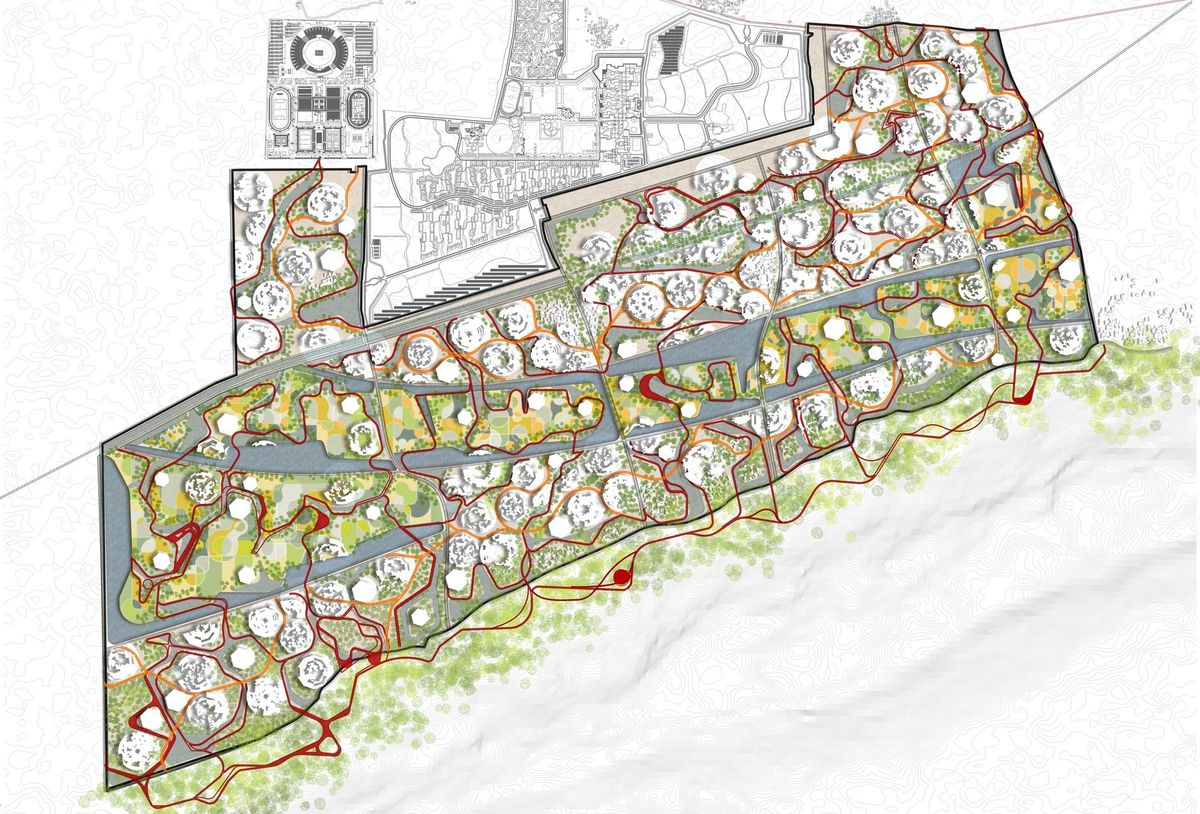
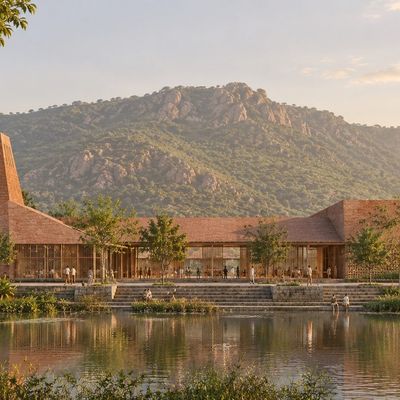
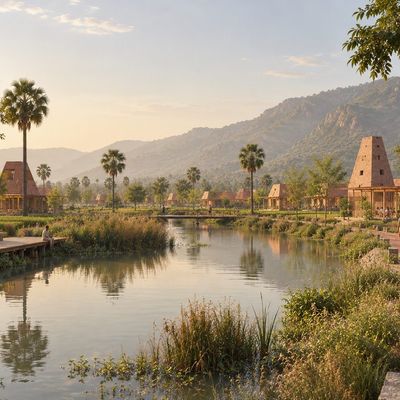
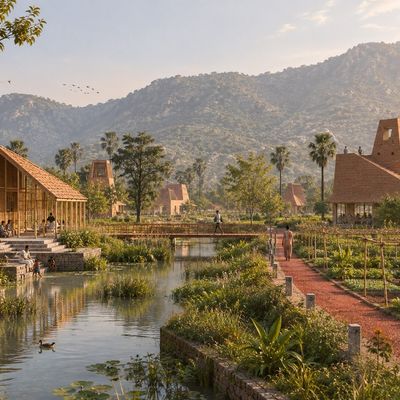
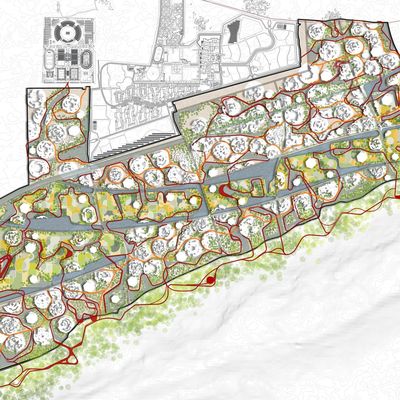
A valley that has been a city for 2,500 years
(click to read)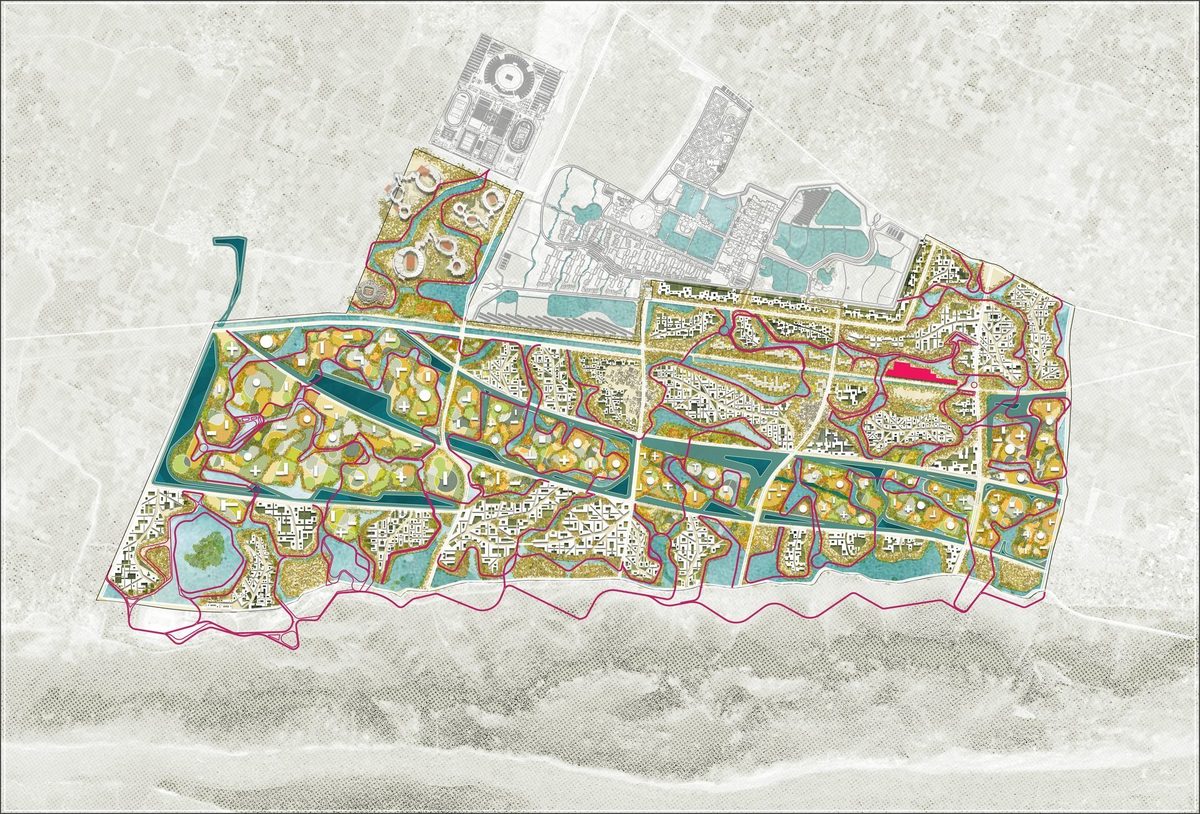
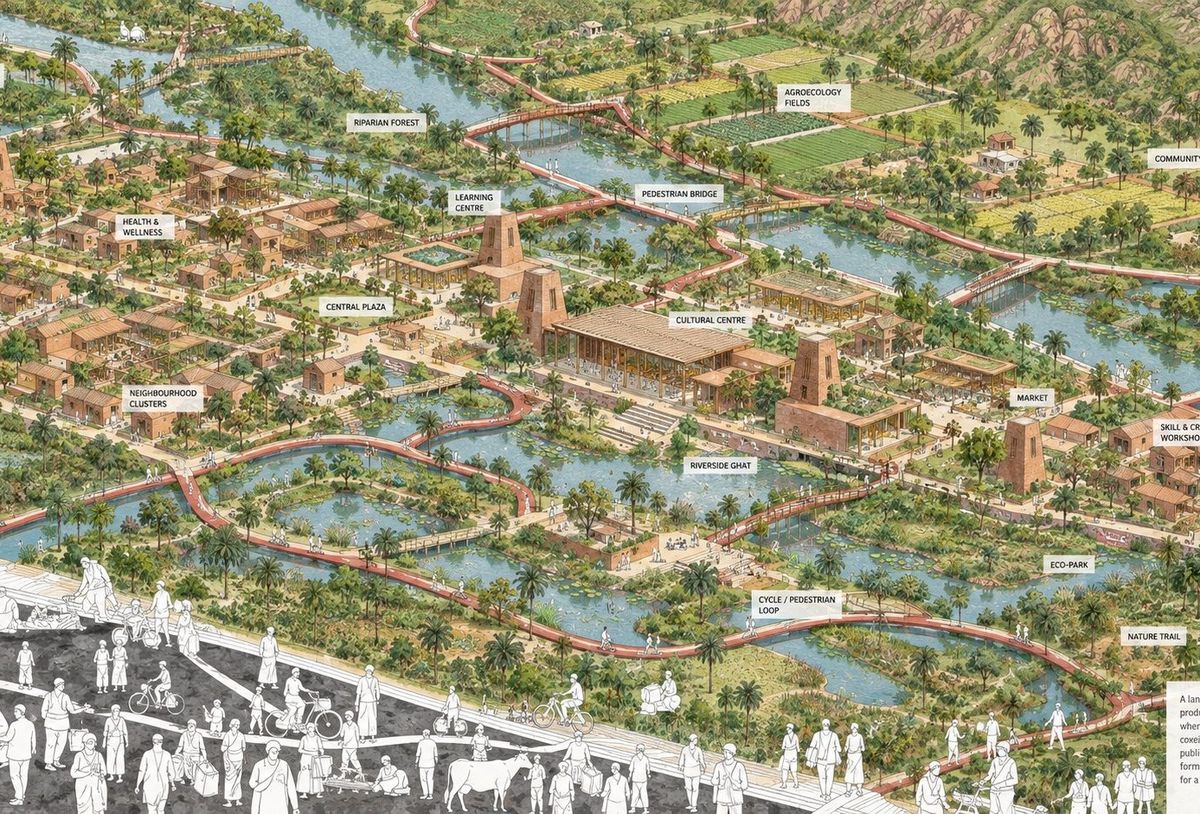
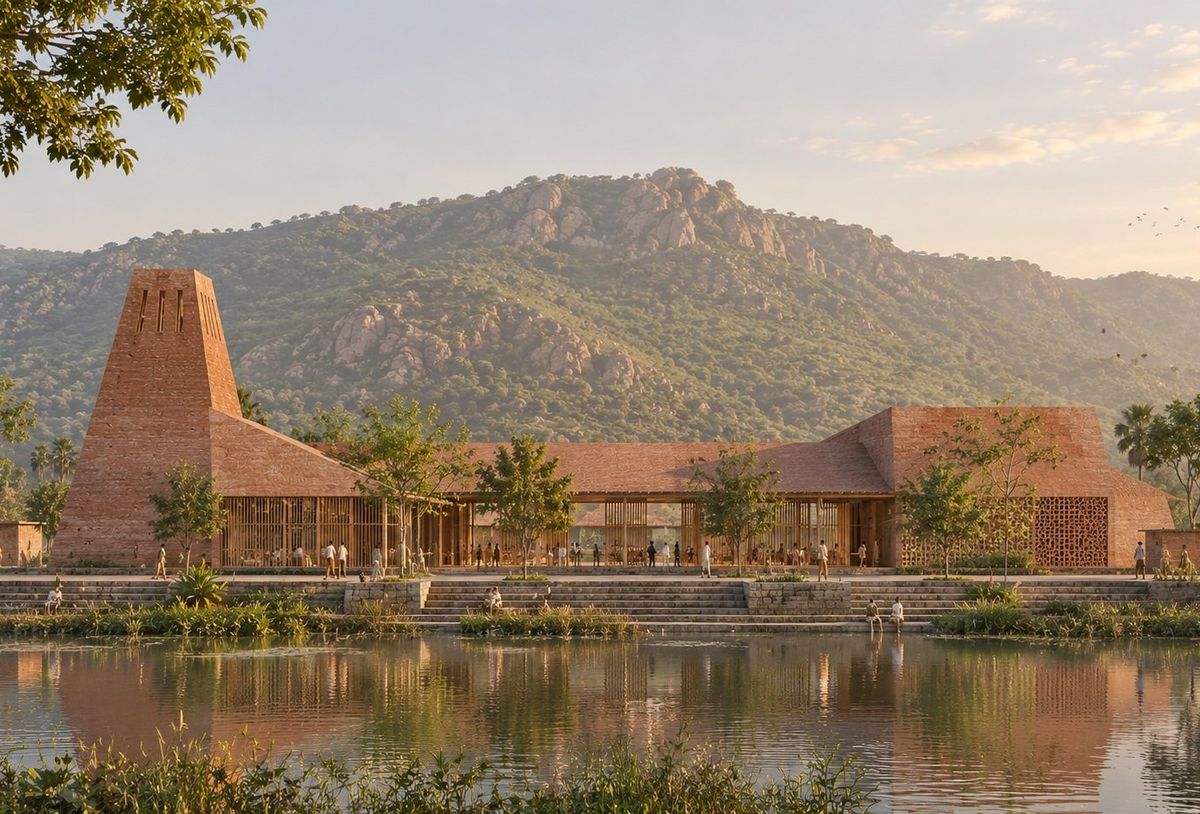
Water Urbanism
rajgir · aahar-pyne · wetland urbanism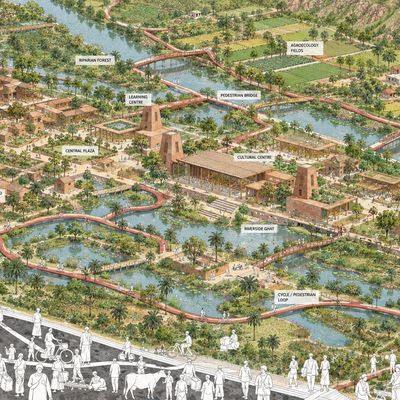
Sixteen kilometres nobody can reach
(click to read)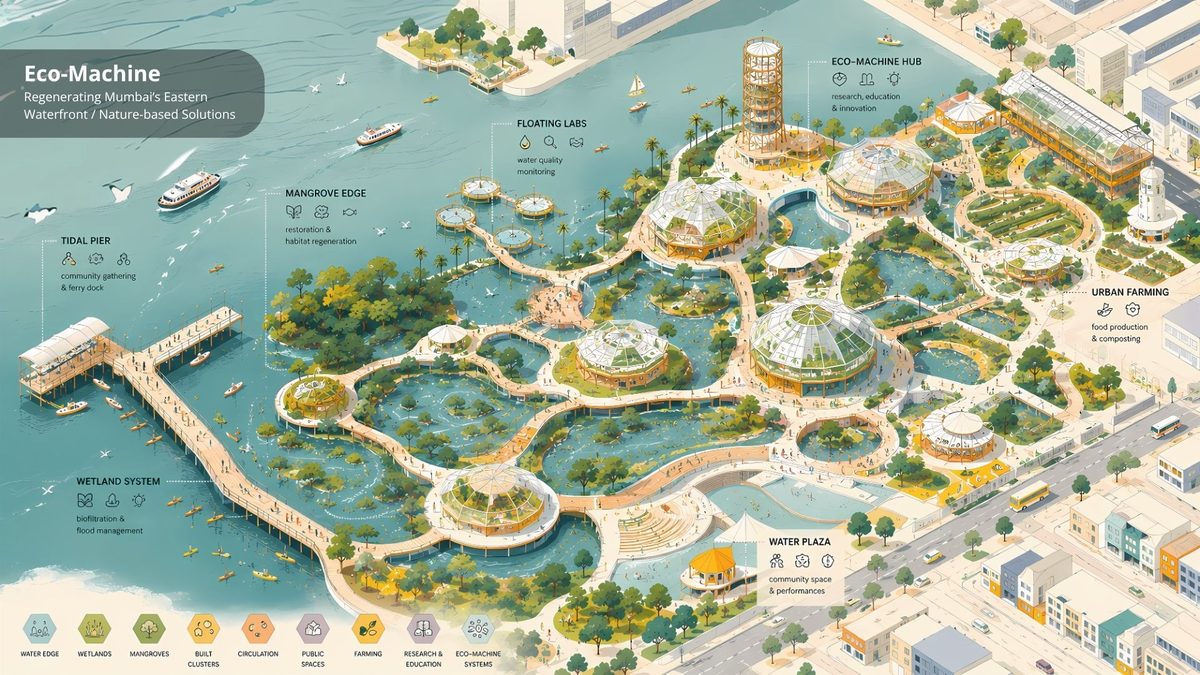
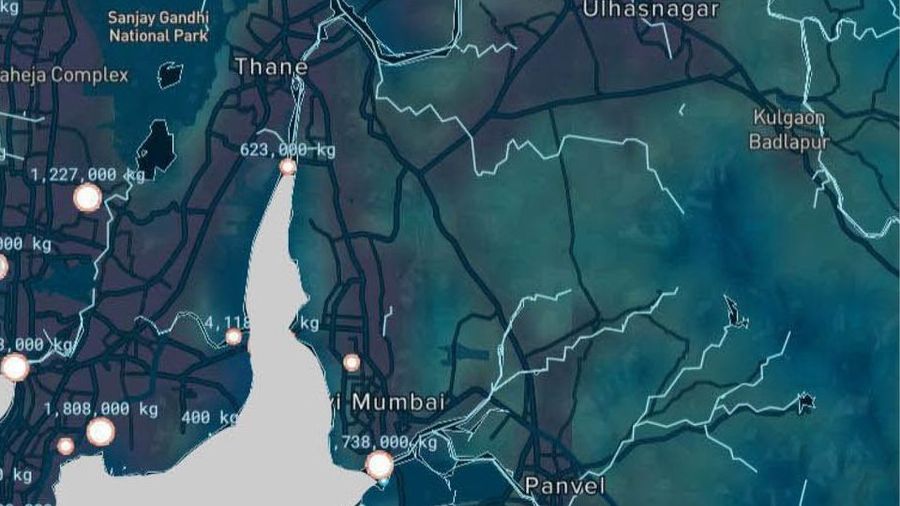
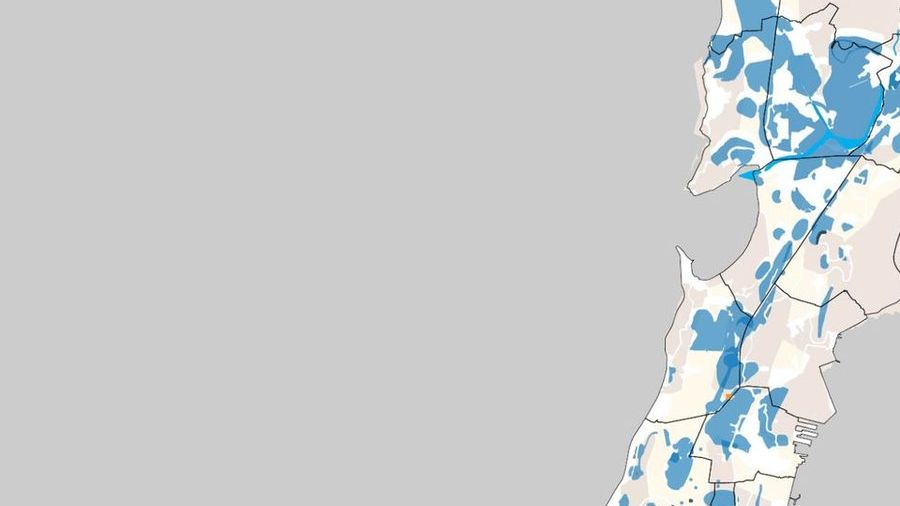
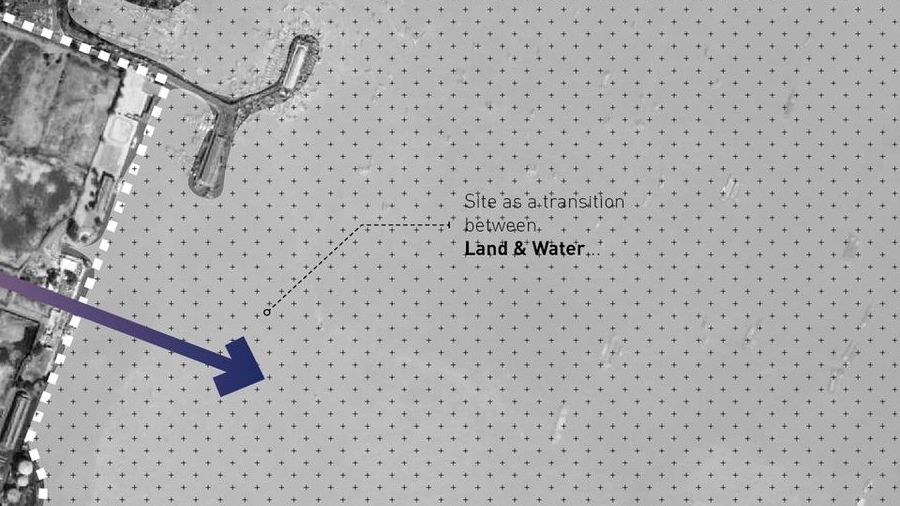
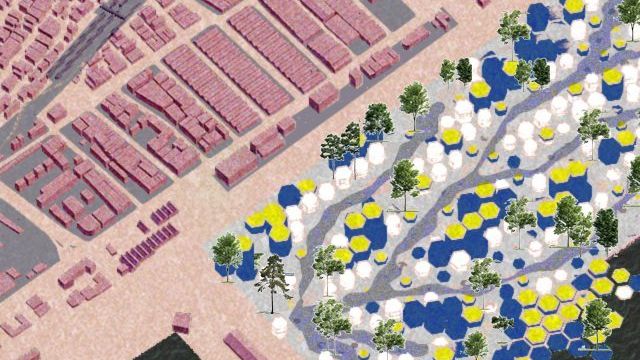
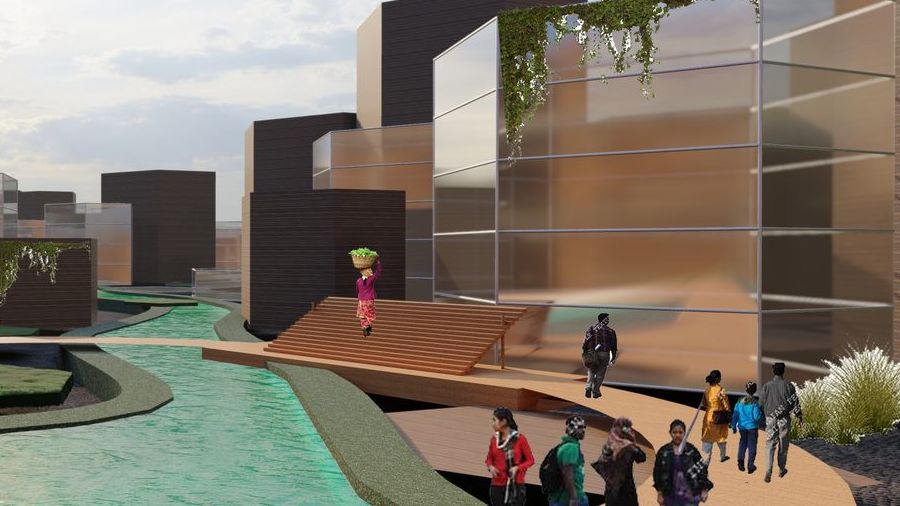
Eco-Machine
mumbai · eastern waterfront · living infrastructure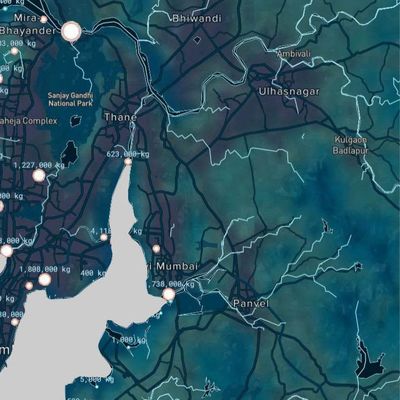
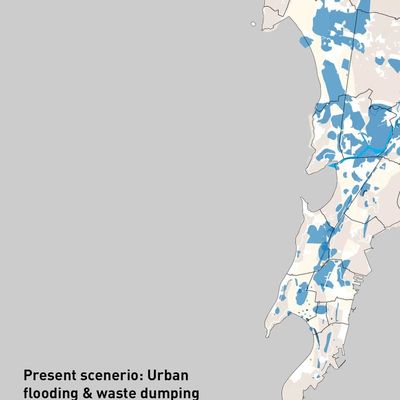
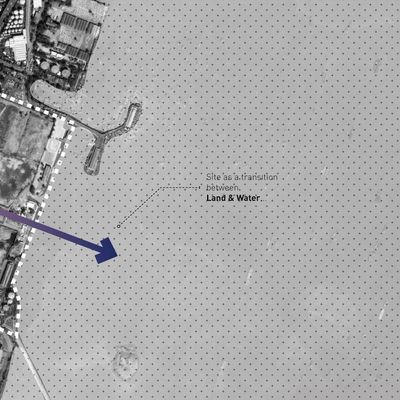
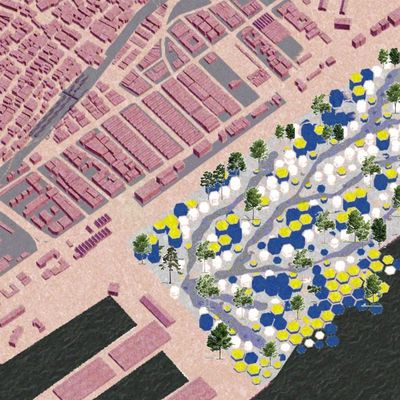
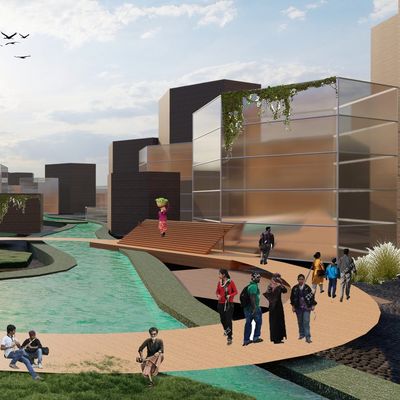
A neighbourhood on a creek
(click to read)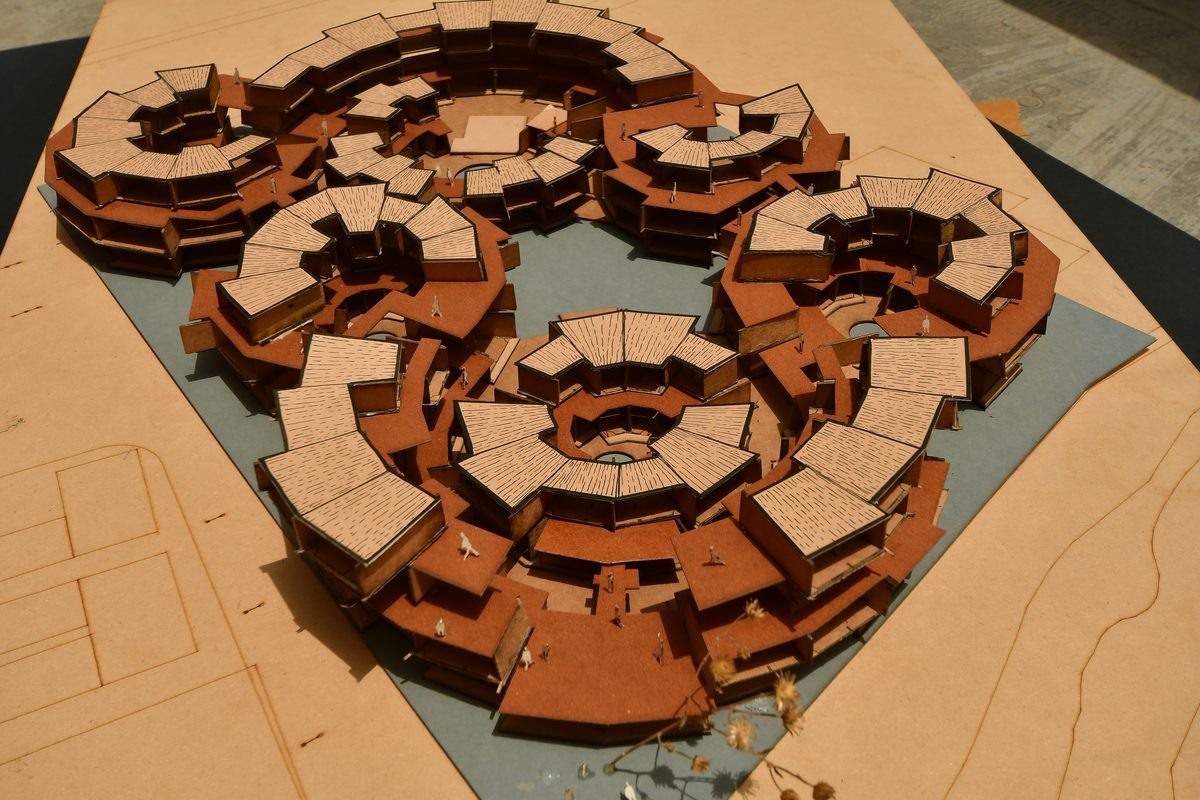
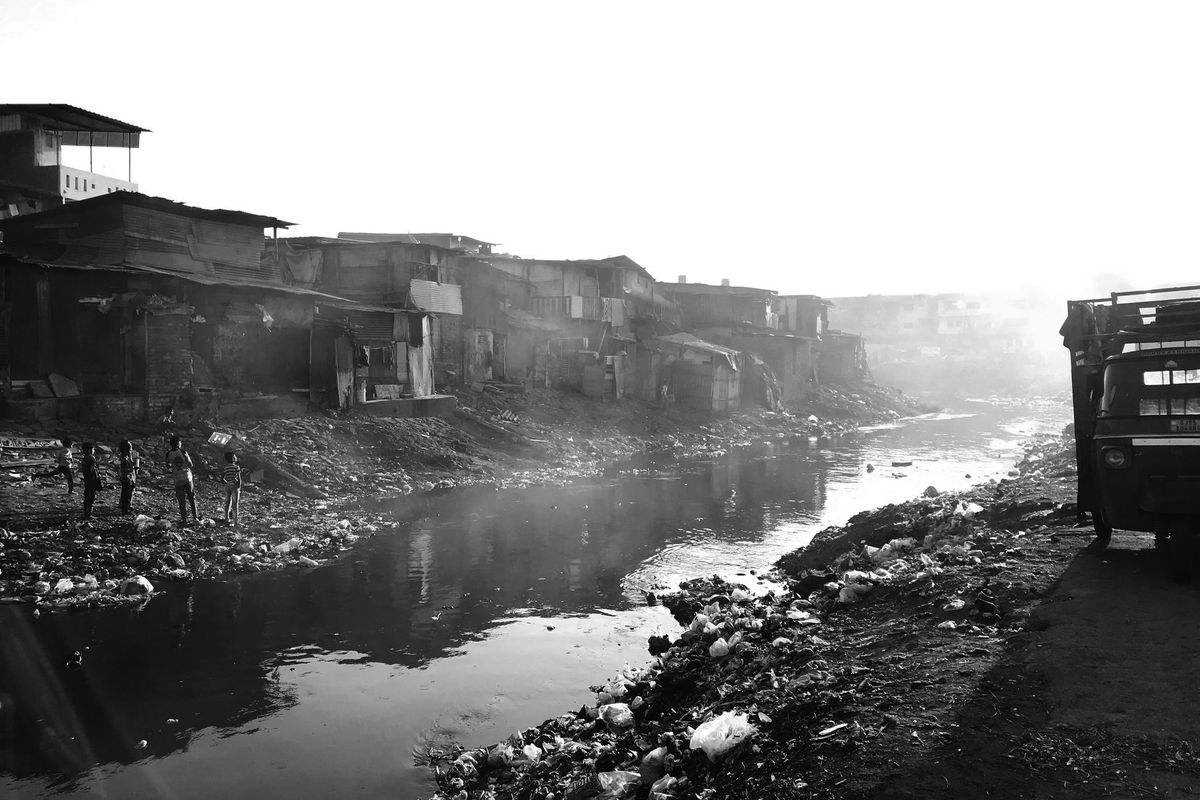
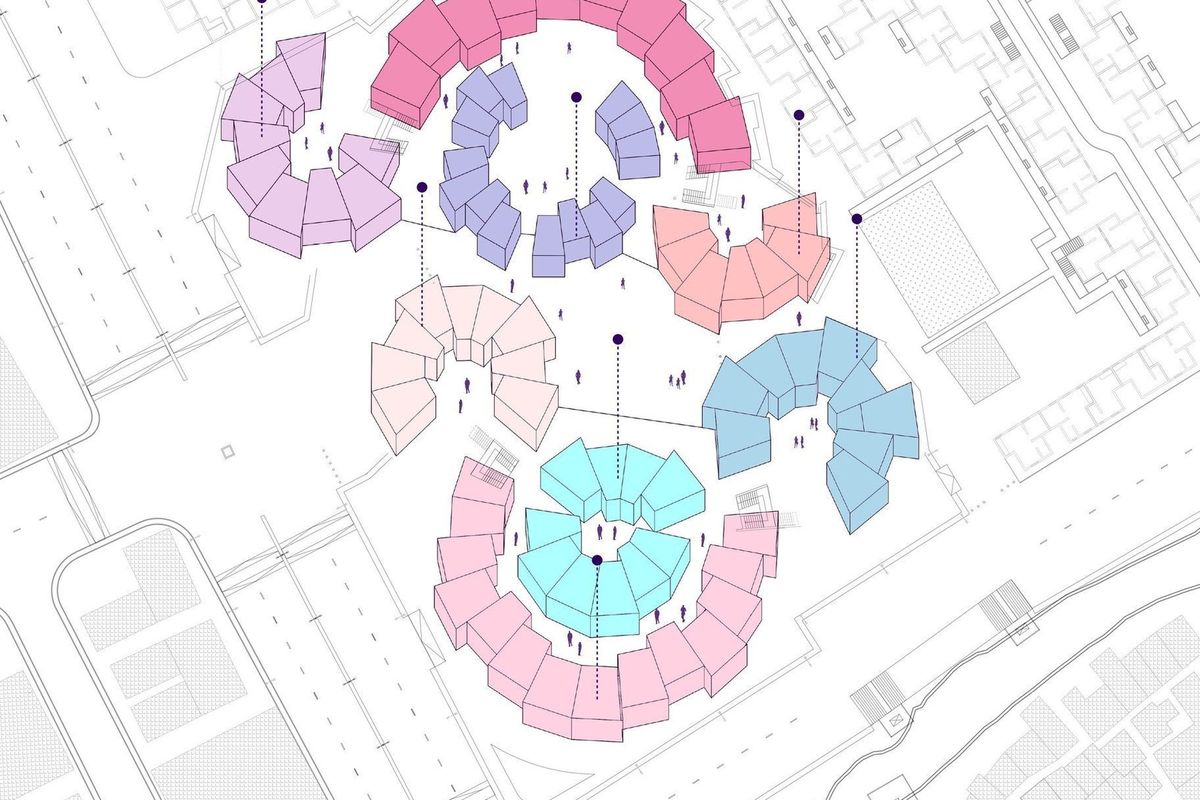
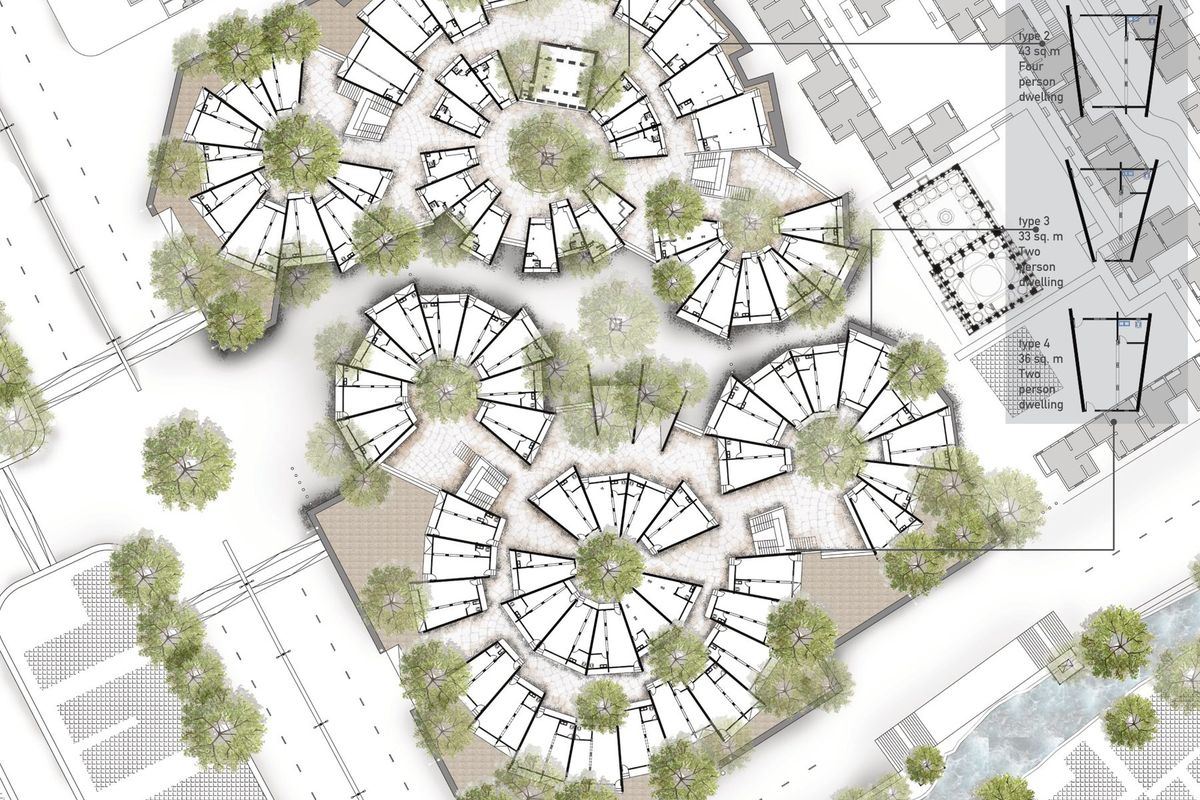
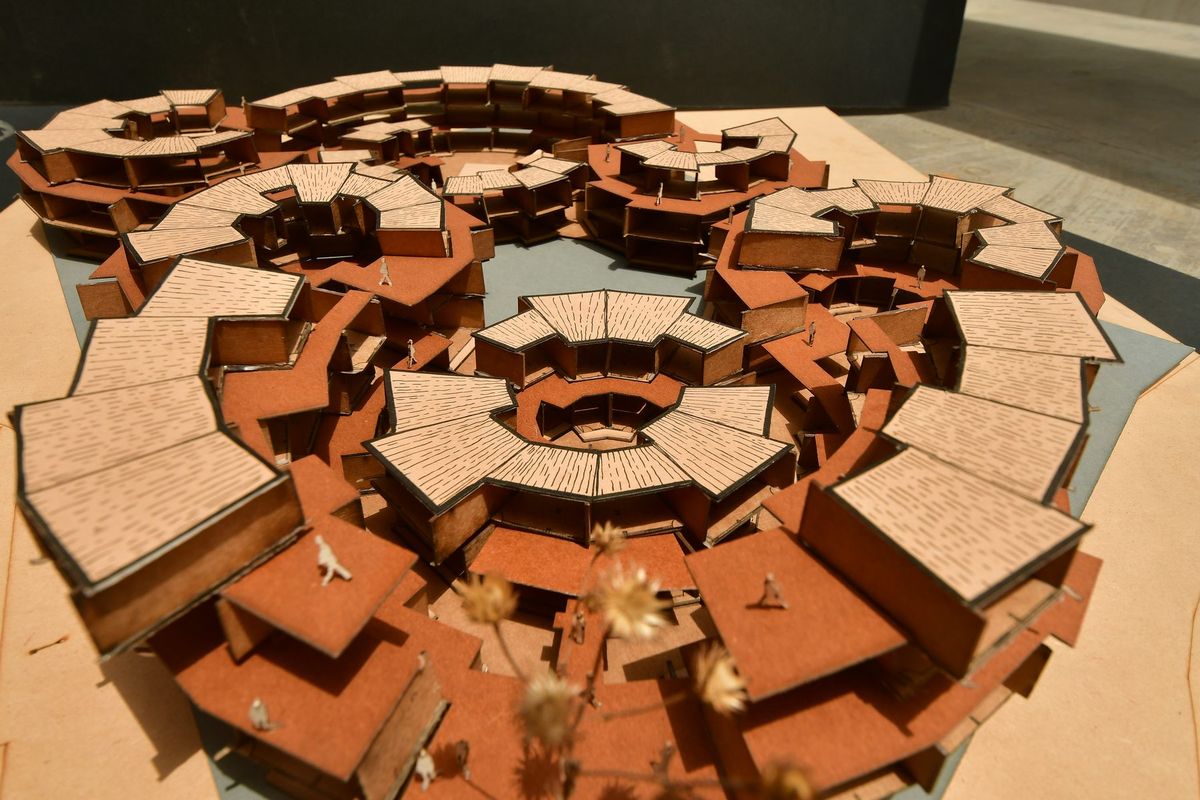
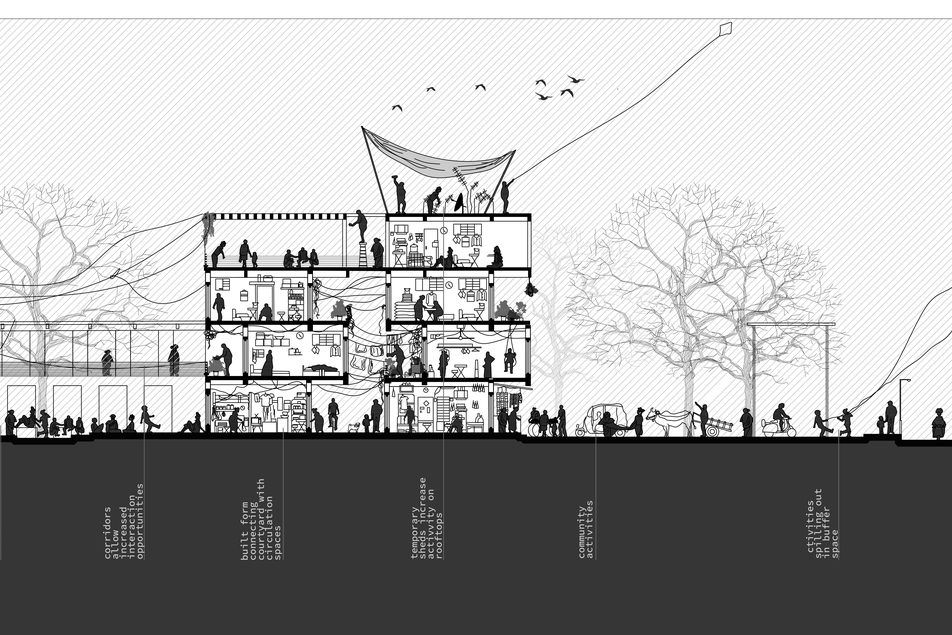
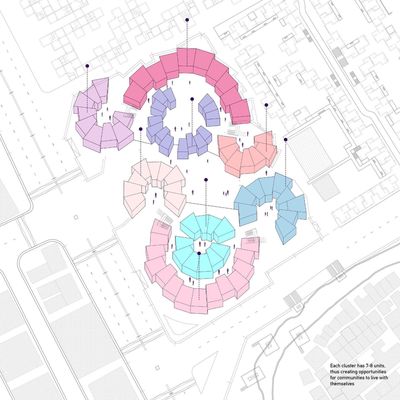
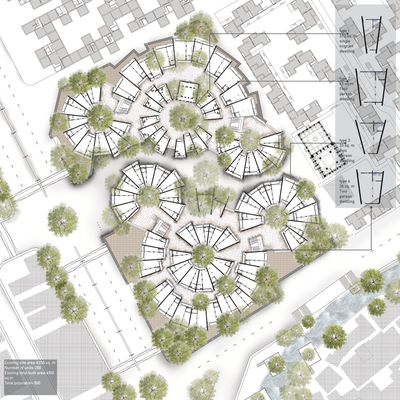
Utopias to Heterotopias
surat · migrant housing · linking and stacking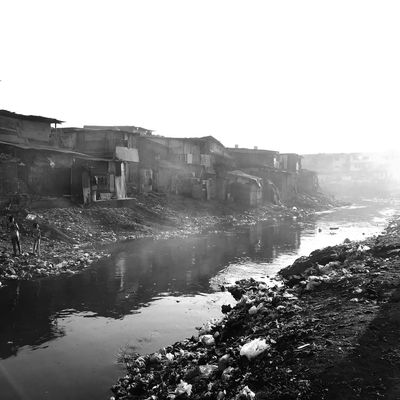
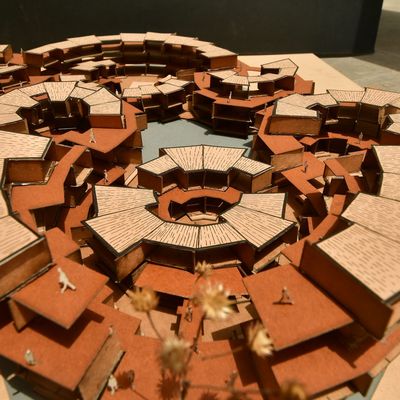
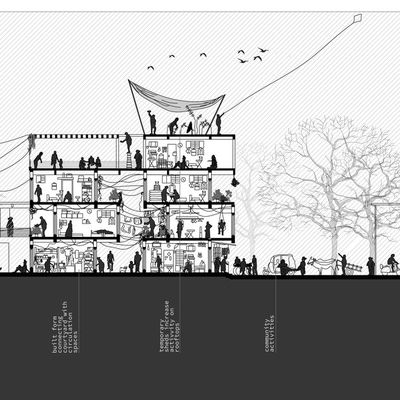
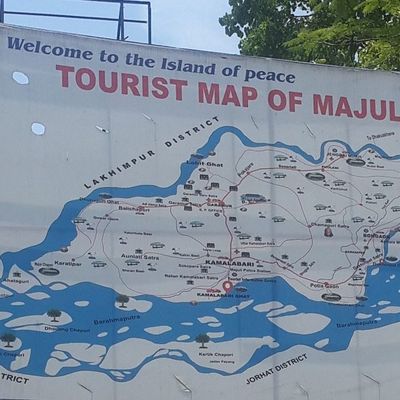
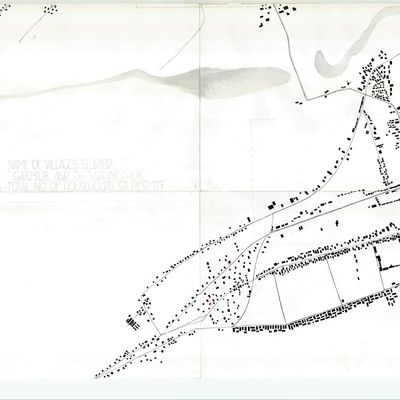
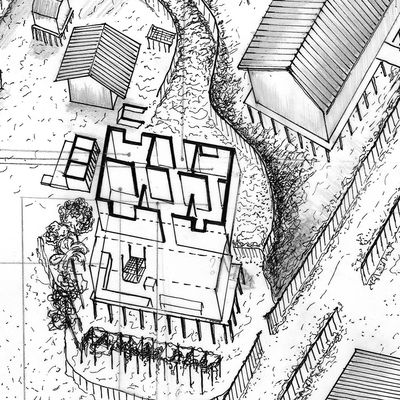
An island the river edits
(click to read)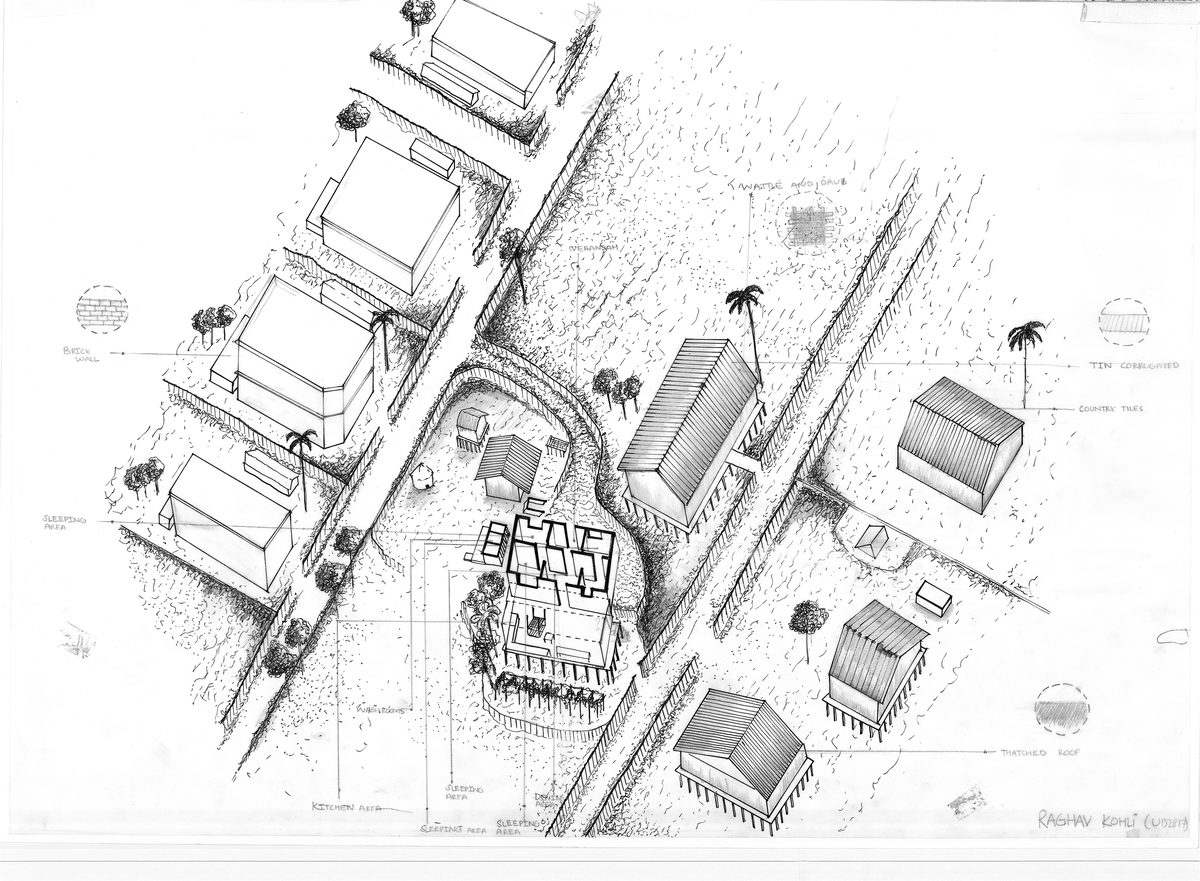
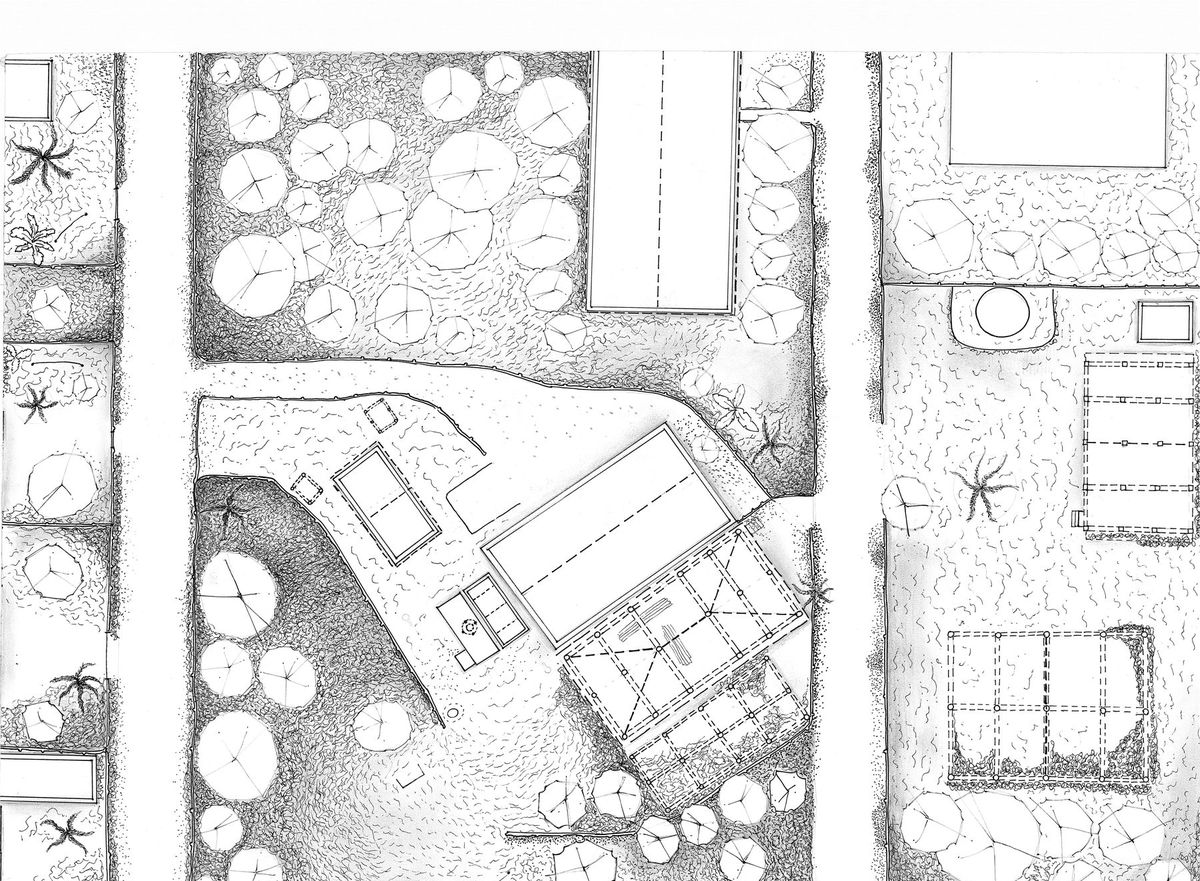
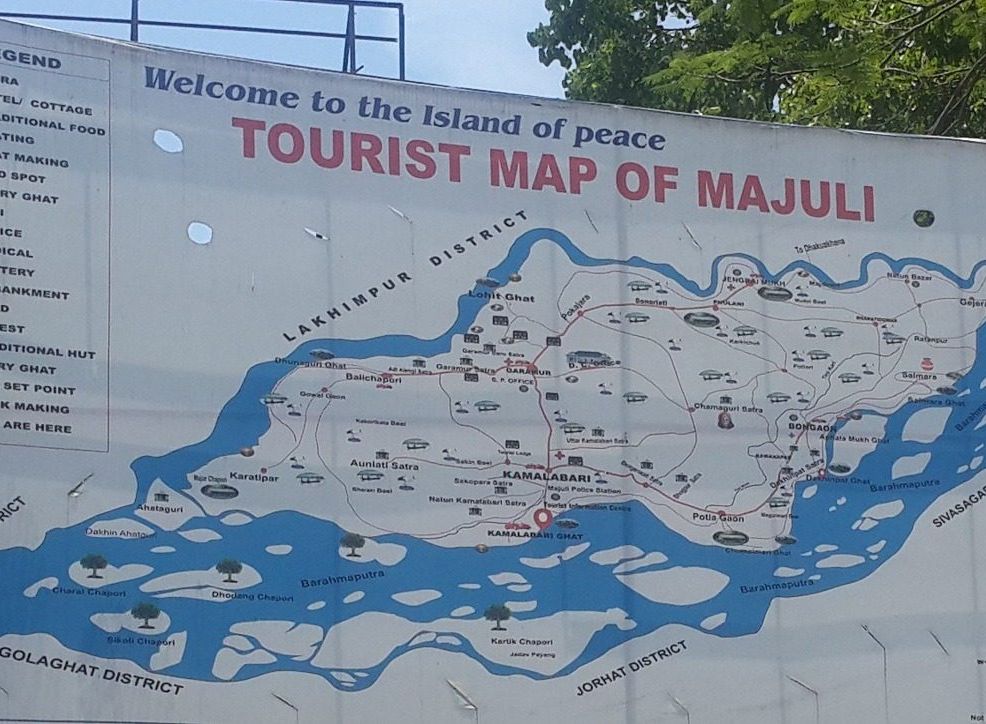
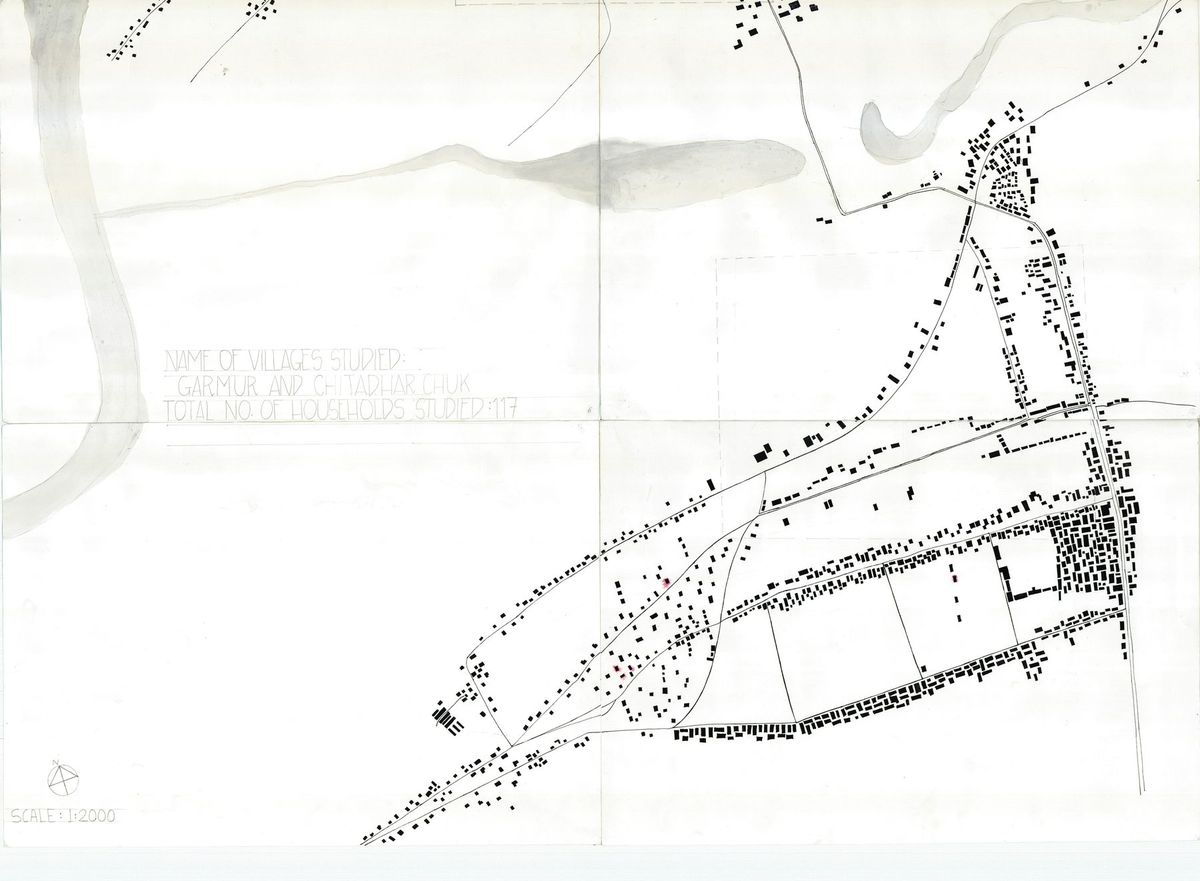
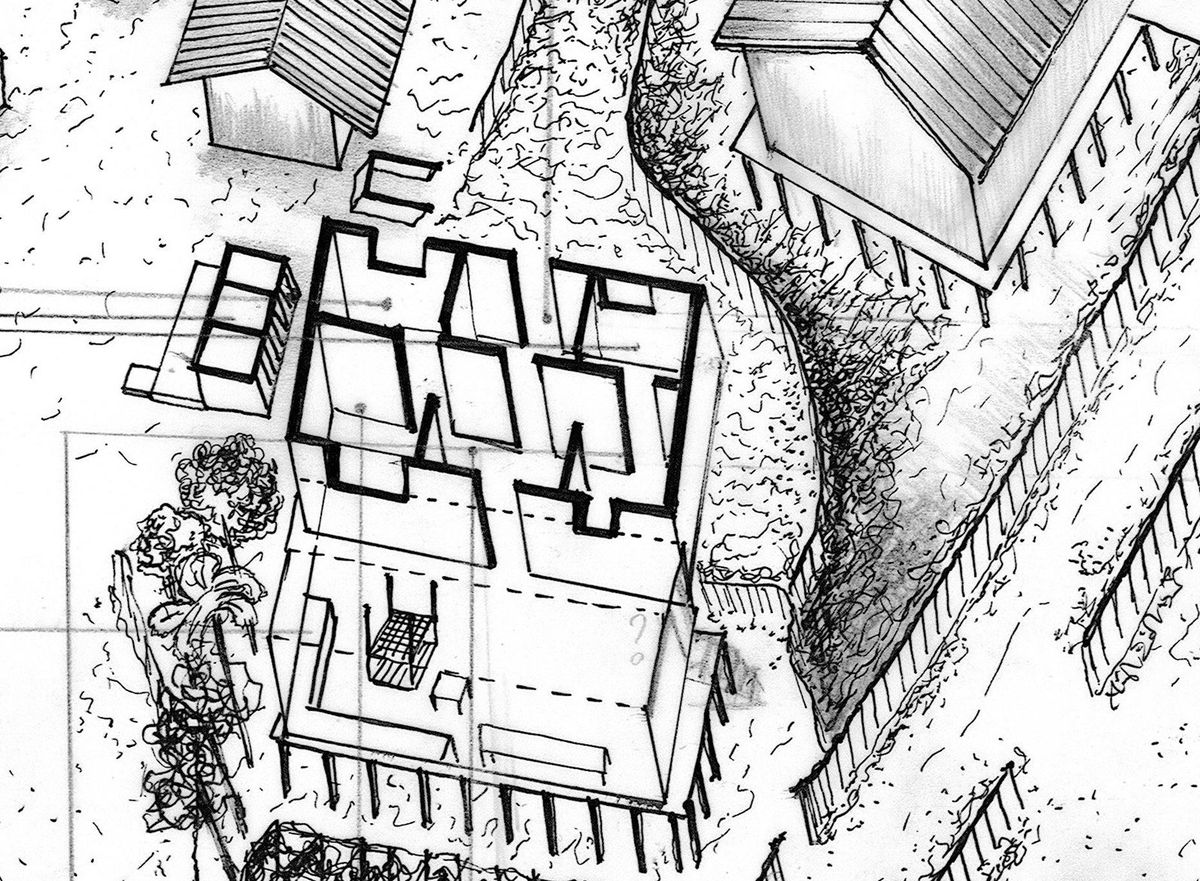
Exploring Majuli
majuli · assam · measured drawing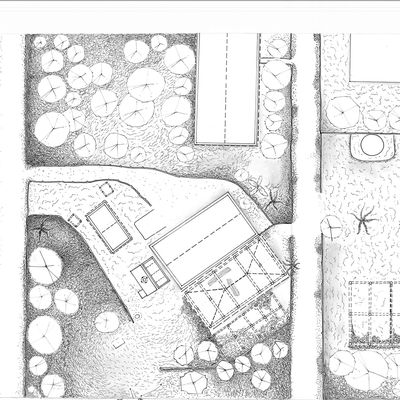
Twenty-three stations, one contract
(click to read)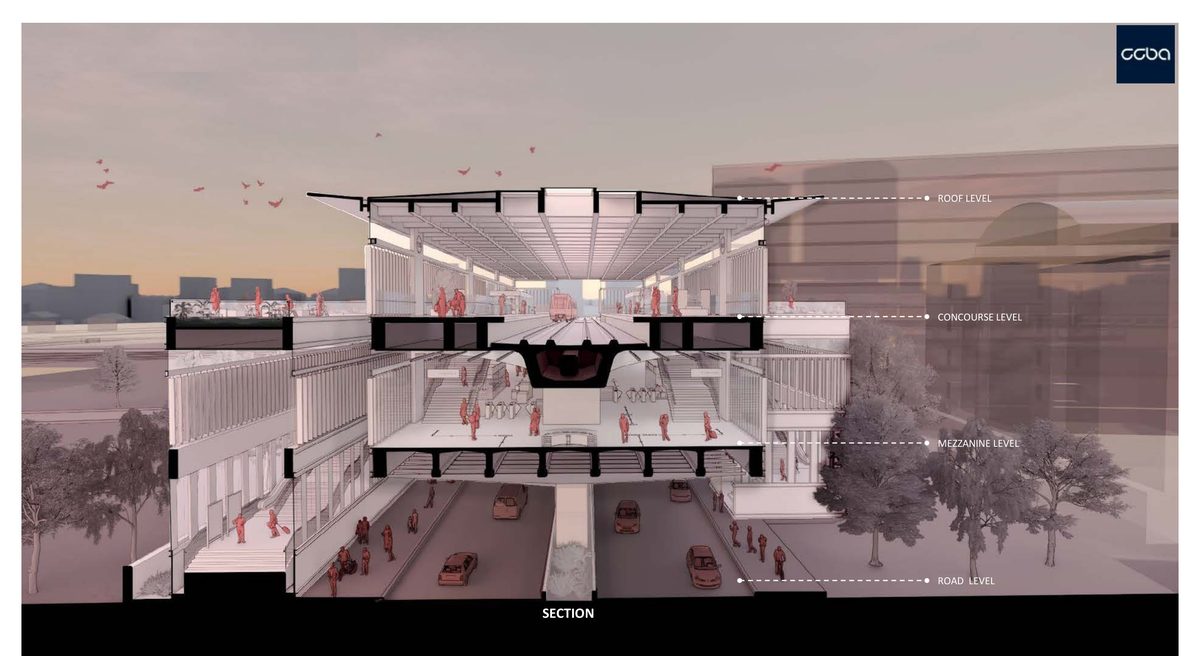


Pune Metro
ccba · line 3 stations


(about) · (now)
what would a city’s climate ledger look like if the people inside it could read it, argue with it, and change it?
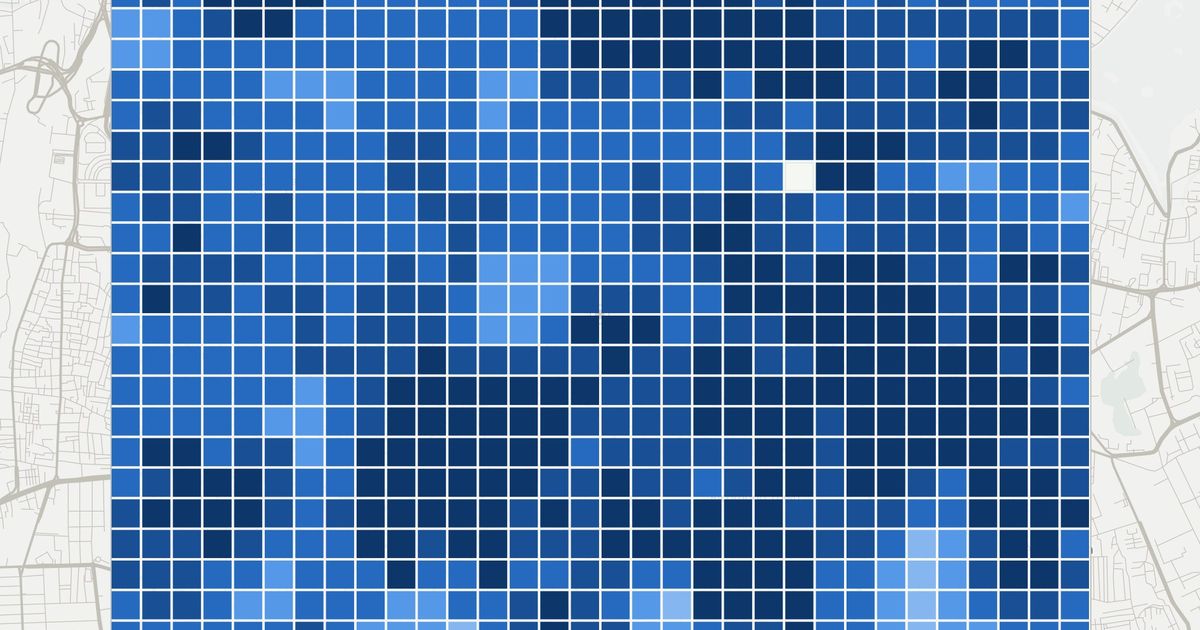
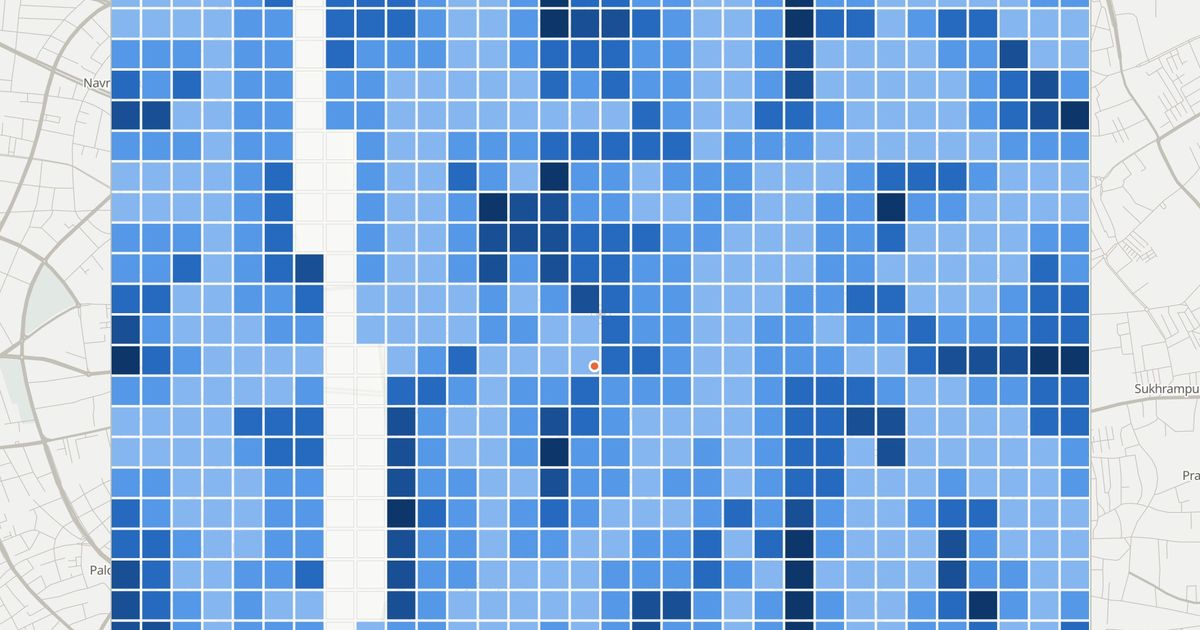
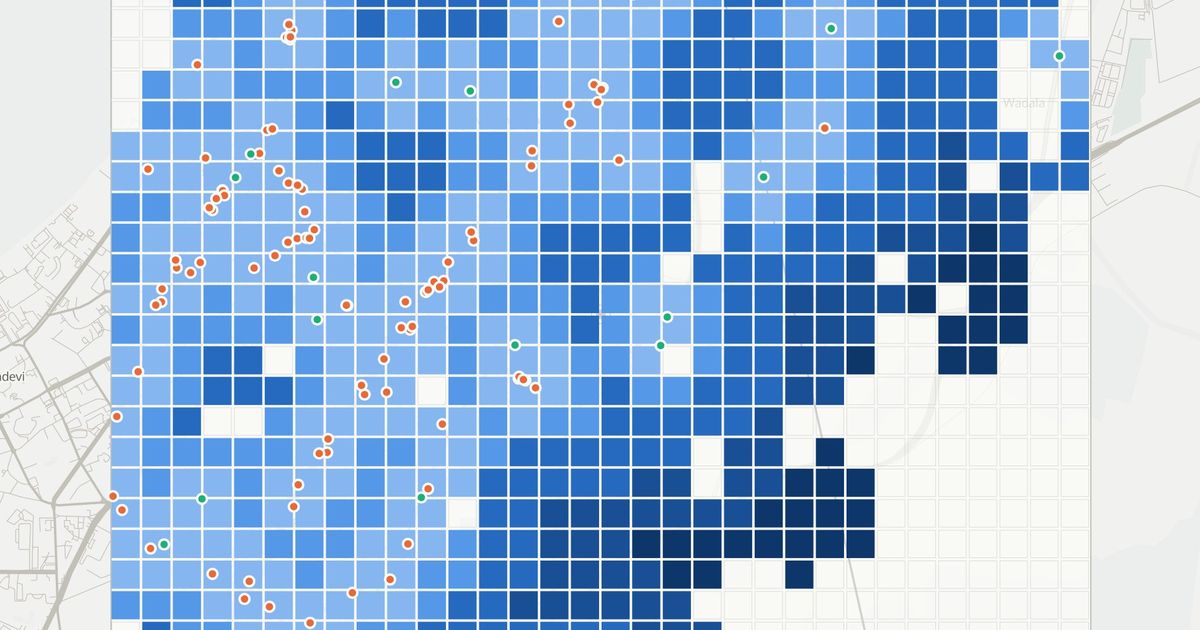
I work from inside the systems I study, energy, carbon, the street, and build the tools that let the people already living there read and reshape their own flows. Most of the work on this page asks one question at a different scale each time: what does a place need to see about itself before it can change? The methods are fieldwork, participatory mapping, climate inventories and design that stays close to the ground. The newest instrument is code: Climate Code lays a grid of 150 m cells over any city and reads each one for how far daily life is on foot, where the rain gathers and how far the nearest bus is.
- Built a community platform to 1,000+ members, entirely word of mouth. Designed every touchpoint: onboarding, session frameworks, facilitation methodology.
- 5,000+ stories taught me: a billion humans, a handful of emotions. The most consistent need was finding someone going through the same thing, and the product was built around that.
- Used frontier language models throughout, moving from raw qualitative data to testable product decisions in hours.
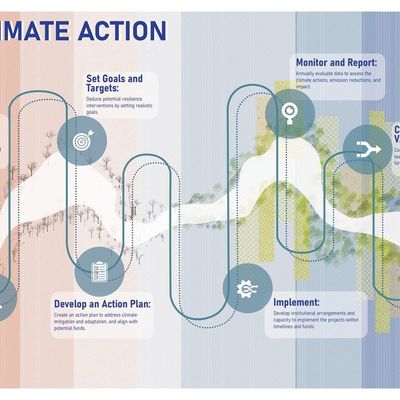
- Built climate resilience action plans for 10+ South Asian cities; wrote Loss & Damage policy briefs for international climate negotiations.
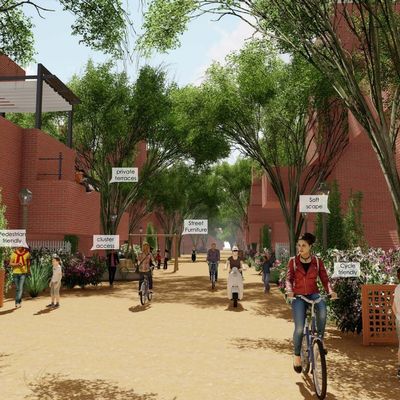
- Led the Urban95 Child-Friendly Cities assessment in Udaipur: ethnographic fieldwork with children and caregivers, translated into spatial design recommendations.
- Co-authored State of Cities, a national policy report across 15+ Indian cities, published by the Ministry of Housing and Urban Affairs.
- Built a Nature-based Solutions Toolkit of community micro-interventions, adopted by urban local bodies across India.
- Drew station layouts and a station-area massing study for Pune Metro Line 3, working on how the structure meets the street.
- Student Excellence Award for Living Heritage, a community co-design process with residents who had never been asked what they wanted.
- Reverse Effect, an undergraduate thesis on Mumbai's koliwadas: a semester of fieldwork in Worli Koliwada, reading the fishing village's commons as a model for the city.